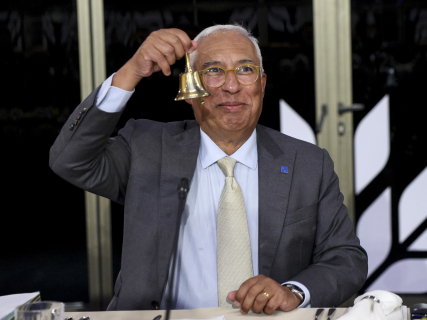

The Twenty-Seven have overcome the first hours of their summit on the European border with Lebanon, aware that the situation in the Middle East may end up overshadowing the debates on community competitiveness that await them on the table today. With navigation still interrupted in the Strait of Hormuz, the capitals are trying to overcome a crisis in which they do not decide, but their citizens suffer daily.
Cyprus was one of the countries that suffered the consequences of the conflict beyond the military level. After Prime Minister Keir Starmer's announcement to support the United States at the beginning of the war by offering them help, Iran decided to attack a British base in the European country. A fact that has dominated all conversations this Thursday in Ayia Napa among heads of state and government, diplomatic teams, and the entire Brussels entourage that follows the Twenty-Seven in these types of European Council summits.
Beyond the green line that separates the country, dividing the Cypriot from the Turkish part, where in some areas time seems to have stopped sixty years ago, Europeans are aware that their security is not entirely guaranteed today. That is why they decided to introduce a point in their discussions at this week's summit dedicated to discussing how to implement Article 42.7 of the Treaties on the Functioning of the European Union. “We need to give substance to this clause, an action plan to know how to act when a Member State invokes this article”, said the host of the meeting, Cypriot President Níkos Christodoulídis.
"For me and for my colleagues"
At the beginning of the meeting, the leader wanted to thank the partners who, at the time Cyprus was the victim of Iranian attacks, offered reinforcements. France, Greece, Italy, Spain, and the Netherlands came out in defense of the region in a test of the deployment of this clause, which has only been used before during the terrorist attacks by the Islamic State in 2015 in France.
It is the closest thing the Twenty-Seven have to NATO's mutual defense clause. Through it, when one of their own could see their security threatened, the entire community bloc is legitimized to respond in favor of the European Union's interests. US President Donald Trump's attempt to annex Greenland put the continent on high alert. Now, it seems to be a more tangible threat.
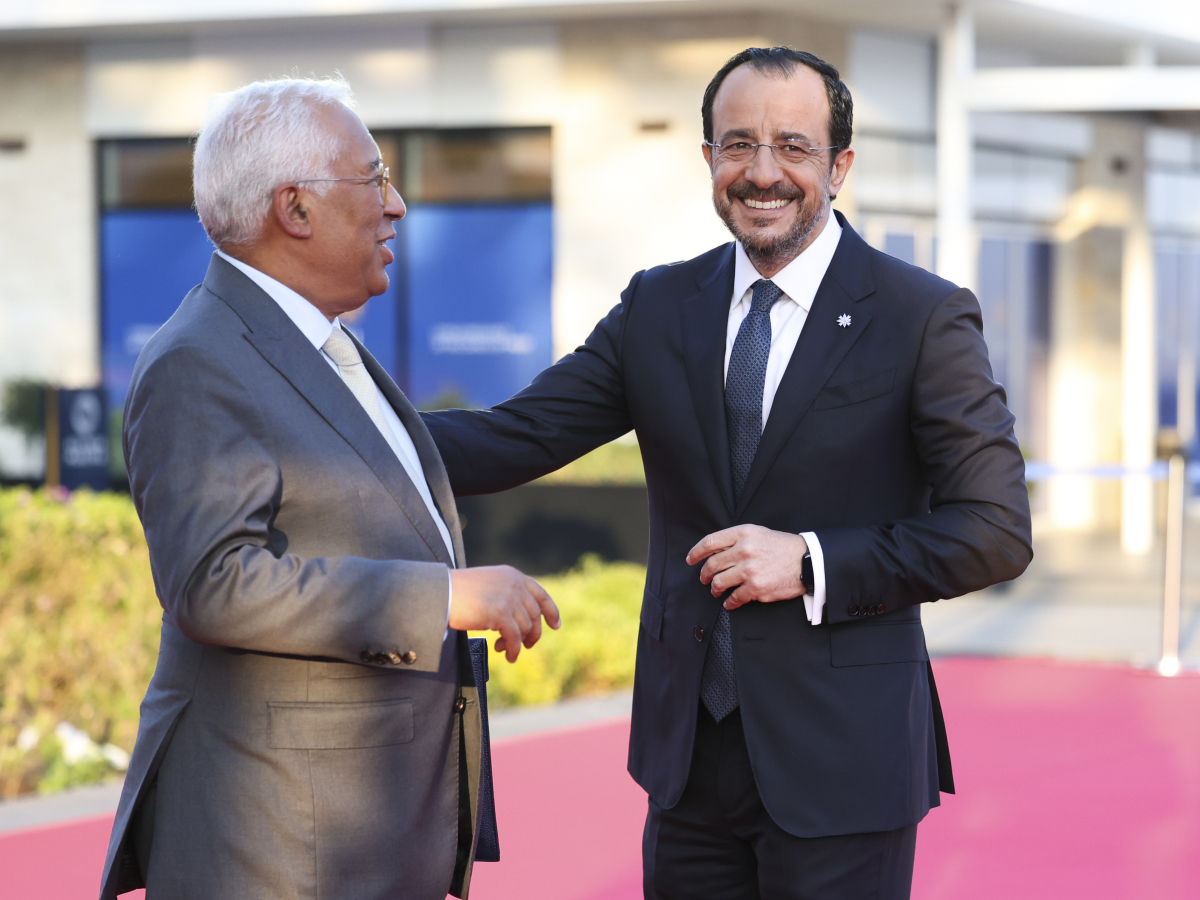
Despite the sense of urgency among European diplomats and the feeling that the continent must shield itself from increasingly uncertain scenarios, sources close to the President of the European Council, António Costa, acknowledge that there were no great expectations that the meeting would yield tangible conclusions on Article 42.7. The informal nature of the leaders' meeting also does not facilitate the achievement of concrete results, as the leaders are not obliged to leave the meeting with written conclusions.
An Eye on Lebanon
After examining this Thursday the energy plan approved by the European Commission in response to the crisis in Iran, which bets on coordinating gas purchases by the Twenty-Seven and offering aid to vulnerable households, the leaders will have the opportunity to return this Friday to the point dedicated to the Middle East. An energy proposal on which the Italian Prime Minister, Giorgia Meloni, asked upon her arrival in Nicosia "not to repeat the mistakes of the past", while showing her provisional support for Brussels' plan.
It will be in an exchange of opinions during lunch with Eastern and Gulf leaders on the situation arising from the crisis in Iran when Europe will rethink its role in the Iran war. Community sources confirm that Egypt, Jordan, Lebanon, Syria, and the Gulf Cooperation Council have been invited to this meeting. It is a group that in Costa's circle is considered "very interesting," as all are directly affected by the situation in the Middle East.
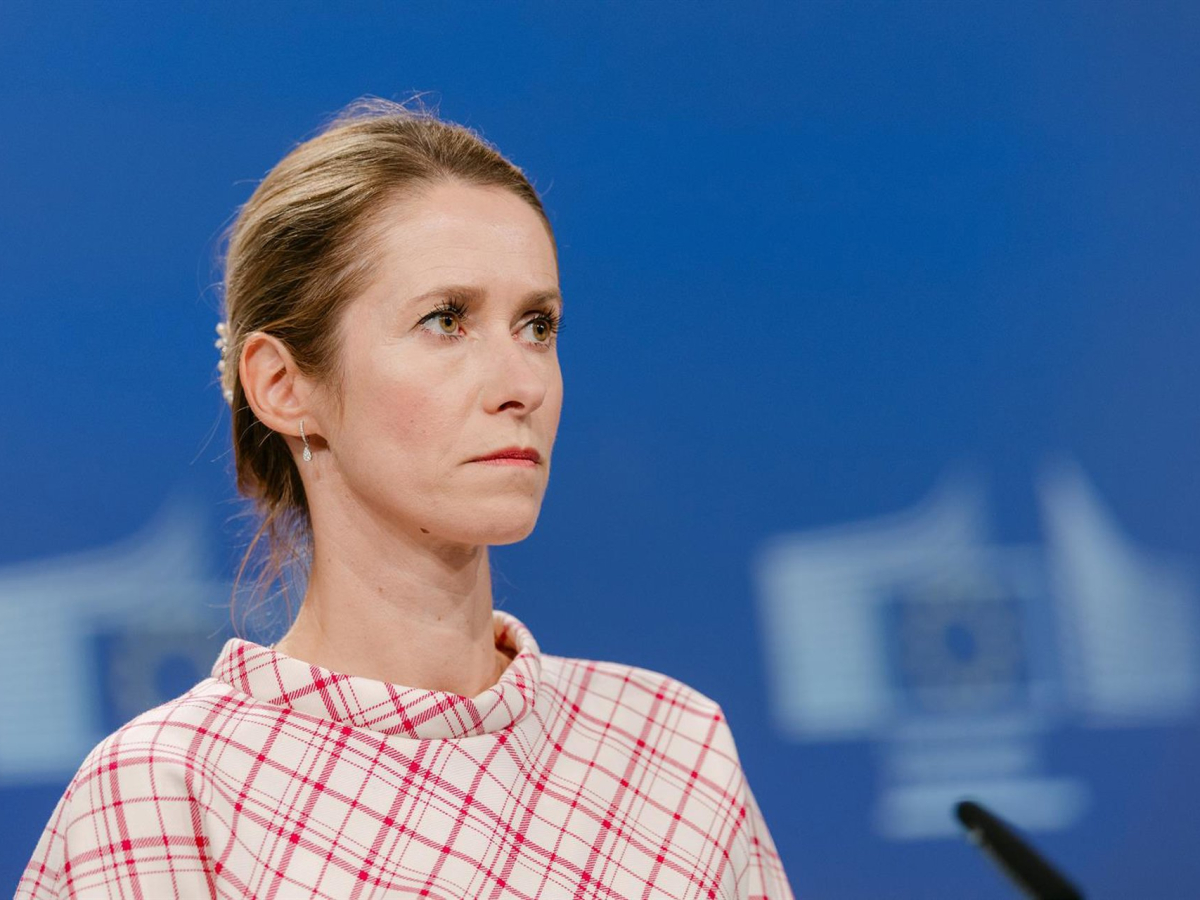
The head of European diplomacy, Kaja Kallas, is studying the options available to the European Union to pressure Israel to cease its attacks on the region, after noting during a meeting with her European counterparts that there is no consensus to break the association agreement, as Spain proposed. Throughout the meetings, the leaders have delved into this matter and into the sanctions that were approved against those responsible for the Strait of Hormuz bloc last Monday. "The EU already has far-reaching sanctions in place on Iran, but today we have also reached a political agreement to expand our sanctions regime to also target those responsible for violations of freedom of navigation," Kallas reported after the Foreign Affairs Council.
The "Ukrainian route"
That said, this time the homework seemed to have been done. It took a review, but finally in a meeting at the ambassadorial level on Wednesday, the capitals unlocked the ninety billion euro reparations loan committed to Ukraine. President Volodymyr Zelensky was invited to an exchange of views with his counterparts this Thursday and they were aware that diplomatically it was difficult to arrive empty-handed. In addition, they also approved the twentieth package of sanctions against Russia, more than four years after the start of the war on the other side of the continent.
Featured story
The Twenty-Seven clear the path for the ninety-billion loan for Ukraine, after Orbán's fall
6 minutes
However, it has not been the aspirations of the Europeans nor the ambition of the community leaders that have ended up tipping the scales in favor of the Ukrainians. The electoral defeat of the Hungarian prime minister, Viktor Orbán, is already having effects on European negotiations, as various sources have been explaining in recent days. The majority support of citizens for opposition leader Péter Magyar led the Hungarian Executive to finally give in, seeing that Ukraine had fulfilled its part by repairing a key oil pipeline for Budapest.
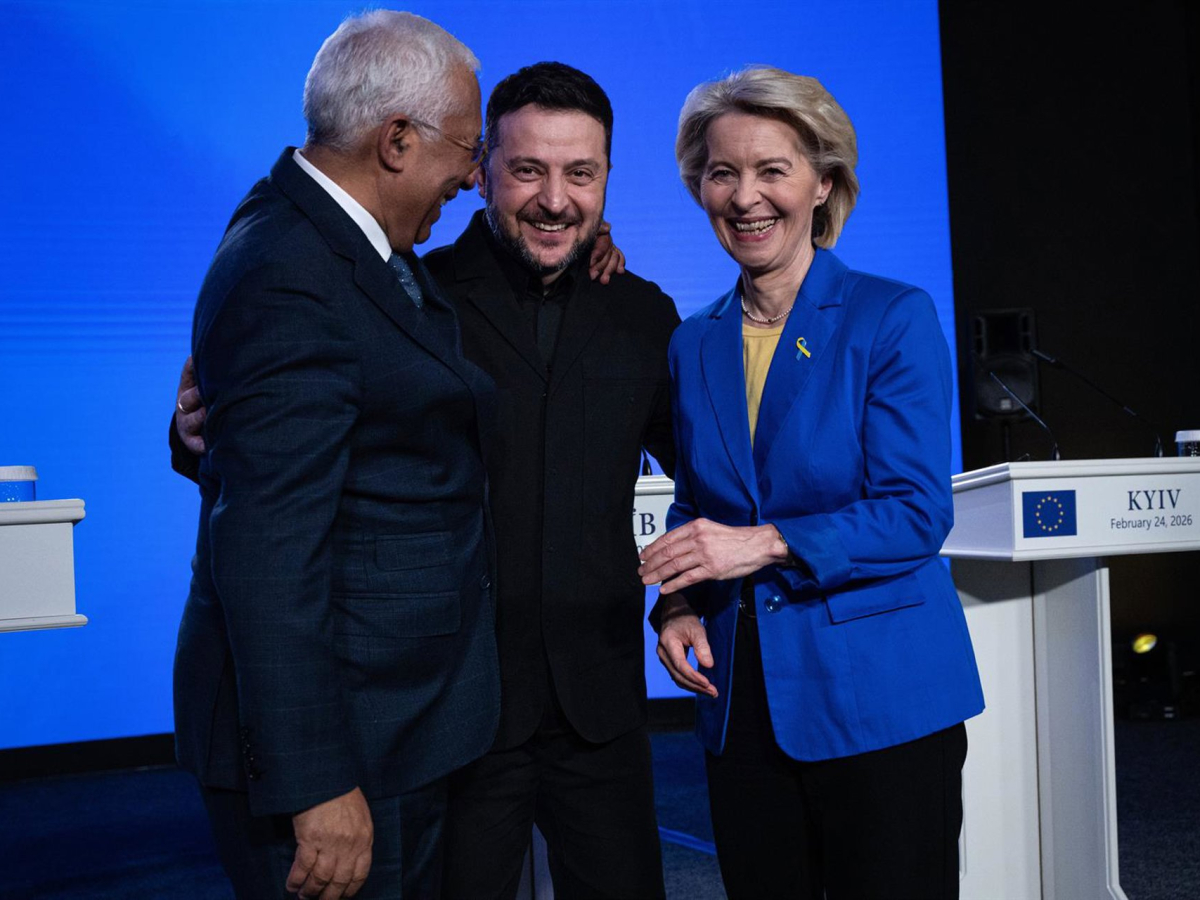
Zelensky has finally traveled to Nicosia, despite initially being scheduled to participate as a guest at the summit remotely. On the first day of the summit, he held a meeting with Costa and Von der Leyen outside the initially planned agenda. A gesture that underscores the urgency of the diplomatic moment. After the meeting, the leaders called for the opening of negotiation groups on the accession process to the European project for Ukraine. According to EU sources, Brussels highlights "the recent approval by the Ukrainian Parliament of the necessary legislation that would allow the unlocking of more funds within the framework of the Ukraine Facility".
Pending tasks
Time is pressing in these kinds of meetings and the Europeans still have legislative files to address on the table. It will be this Friday before their lunch when they open for the first time “seriously” the analysis of the Multiannual Financial Framework for the next seven years. Although the debates are still very preliminary, the Twenty-Seven have been postponing this issue in recent councils. They cannot continue doing so much longer. In the calendars of the community capital, the forecast was to give the green light to the budget during this summer. However, Brussels is lowering its optimism regarding the course the negotiations are taking.
Featured story
How the European competitiveness calendar stands after EUCO: key proposals, dates and deadlines
6 minutes
Furthermore, they will also examine the “One Union, One Market” strategy, which the President of the Commission, Ursula von der Leyen, presented during the informal retreat of European leaders last February. Initially, it aimed to be a manual for the continent to regain economic leadership against powers like the United States or China. However, after passing through the institutions, the document has evolved into a calendar of pending legislative initiatives.
The leitmotif that can be expected from this new impetus is the fact of devising a system in which “companies of all sizes” can operate without obstacles in the single market through harmonized rules at the European Union level. In the capitals, special attention is paid to the fact that the free movement of workers is strengthened through the mutual recognition of professional qualifications.
European calendar
One Europe, one market
June 2026: e-declaration (electronic declaration)
July 2026: ETS (Emissions Trading System) review
Summer 2026: Banking sector competitiveness report
Autumn 2026: Mutual recognition of professional qualifications
End of 2026:
-Adoption 28th "EU Inc" regime (European company statute)
-"One-stop-shop" via the European business wallet
-Strengthened safeguards for product marketing
-Addressing fragmentation in product labelling and packaging requirements
-Agree all outstanding simplification omnibus packages
-Mapping dependencies in strategic sectors
-Adoption of the Grids package
Digital euro
SIU (Savings and Investment Union)
-Industrial Accelerator Act
-March 2027: Achieve tangible progress in removing the "10 terrible barriers"
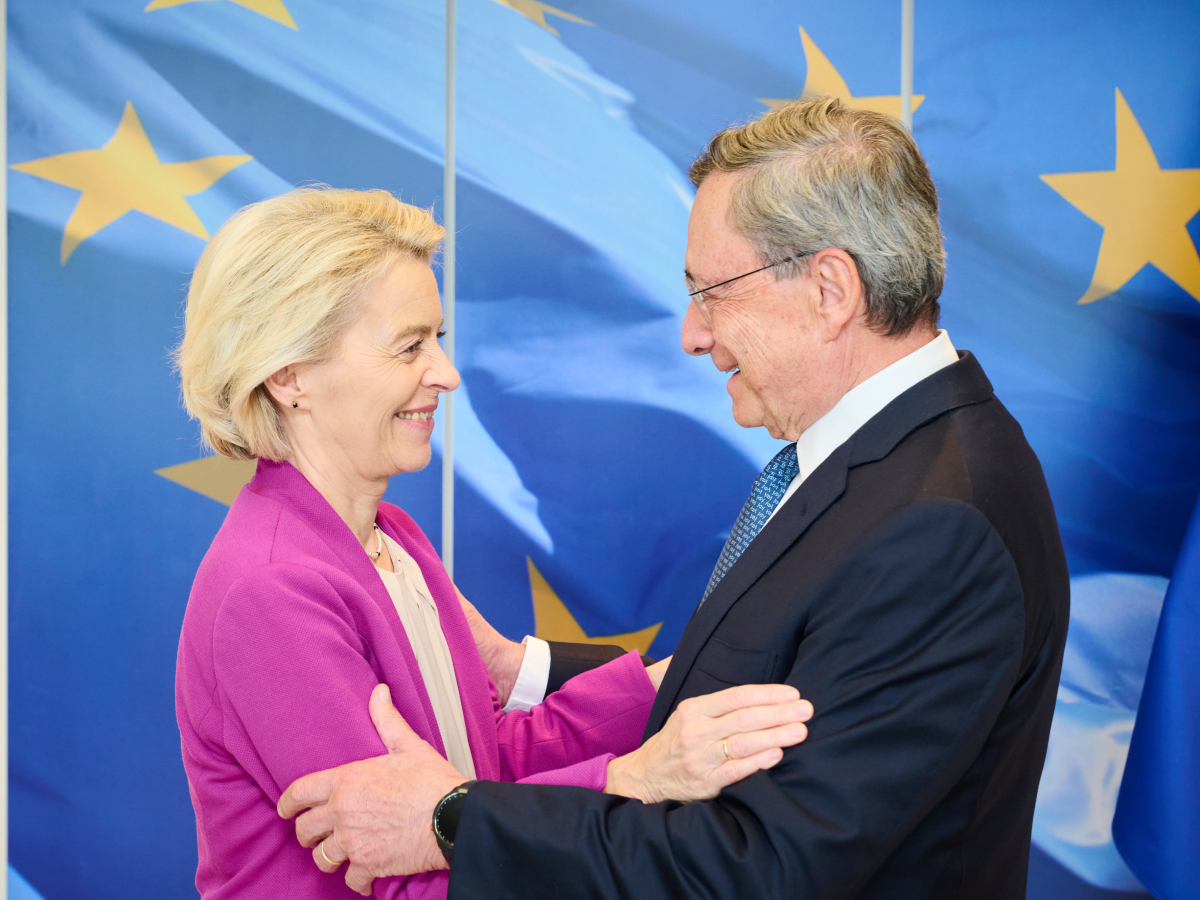
The Commission received in March the mandate to prepare before December a proposal to end the fragmentation of product labeling and packaging requirements, relying on digital solutions. “This should address the negative impact of territorial supply restrictions that fragment the single market”, stated the conclusions document of the last summit.
Thus, Von der Leyen's cabinet must comply with the mandate to support companies in their fight to achieve the necessary scale to compete globally. The heads of government agree that this also refers to the ongoing review of the merger guidelines, which must continue to ensure effective competition. “It is time to wake up to drive the agenda of European autonomy”, the Cypriot Christodoulidis asked at the beginning of the summit. Ahead, the leaders face a day of negotiations in which they now “yes, yes” must face the Union's economic agenda to detach themselves from their industrial dependencies.