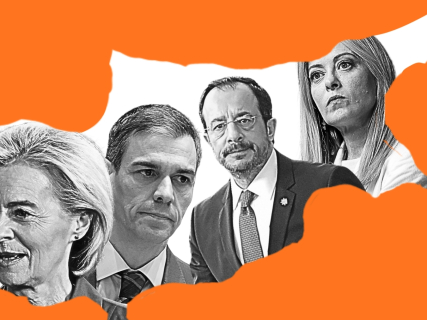

“Now, is the Strait open or closed?” and “A debate we had foreseen, but had to postpone” have become the leitmotif of most coffee break conversations in the community institutions since the war in the Middle East began just two months ago. Two questions that summarize the mood in Brussels: energy uncertainty and political paralysis. Officials, diplomats, and advisors repeat these phrases almost like a mantra, aware that Europe is once again facing an external crisis that fully affects its stability without having participated directly in its origin.
Choruses that will move this Thursday and Friday to barely two hundred kilometers from Beirut and more than three thousand from the community capital. Nicosia will disguise itself as Brussels for the next two days. European leaders, along with diplomatic teams, officials, and journalists, will gather for a summit in which the continent is once again forced to respond to crises it has not decided to enter.
Flanked by 16th-century walls, the Twenty-seven meet in the EU capital closest to the Middle East, a symbolic enclave that reinforces the sense of urgency. The geographical proximity of the current Cypriot presidency of the Council of the Union, only hundreds of kilometers away, to the conflict makes the meeting more than just an institutional gathering.
A war that conditions the entire agenda
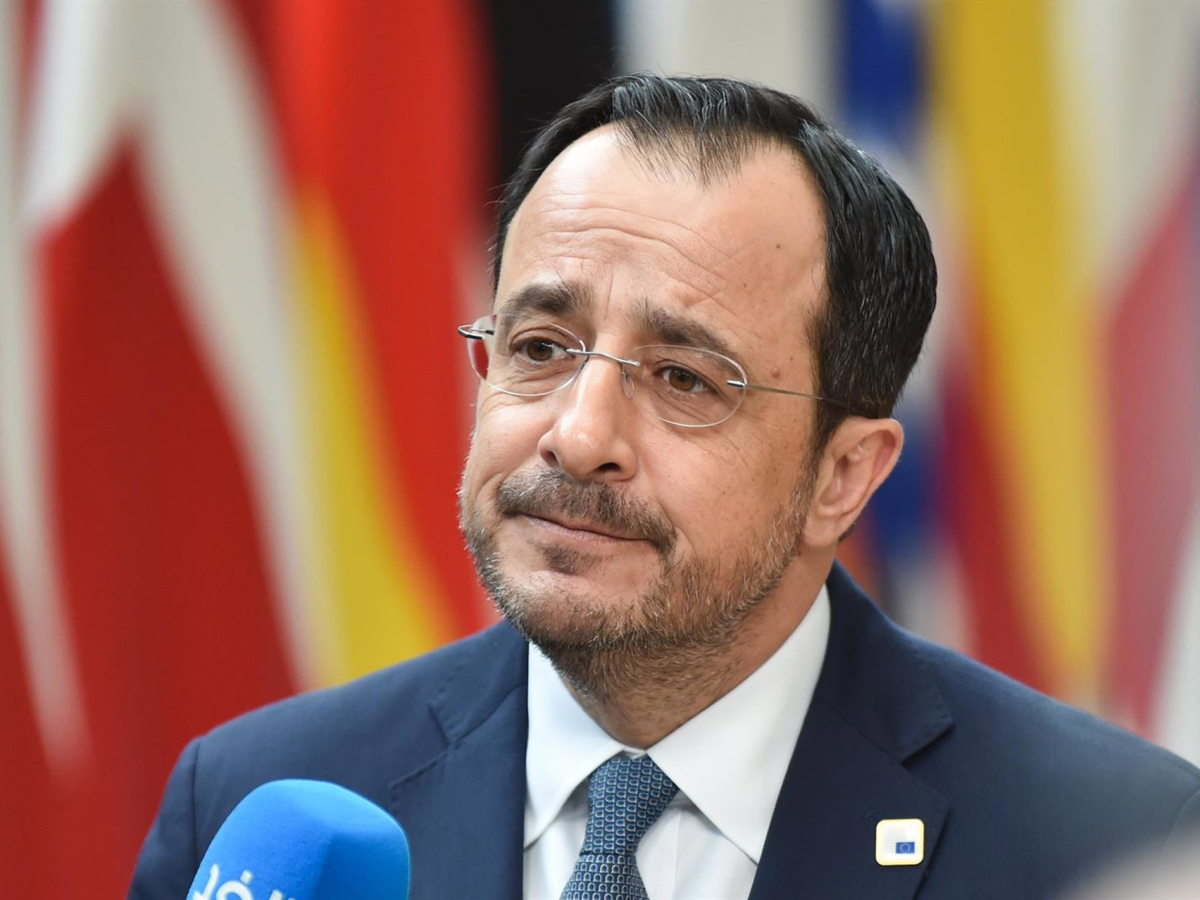
Two hundred kilometers from Lebanon, the Heads of State and Government will sit down this Thursday with the Middle East ceasefire still up in the air and the European Commission's energy plan fresh out of the oven. During their meeting in March, they already closed ranks around something similar to the "no to war" defended by Spaniard Pedro Sánchez. However, now the situation demands going a step further. Political stances are no longer enough: concrete decisions must be made.
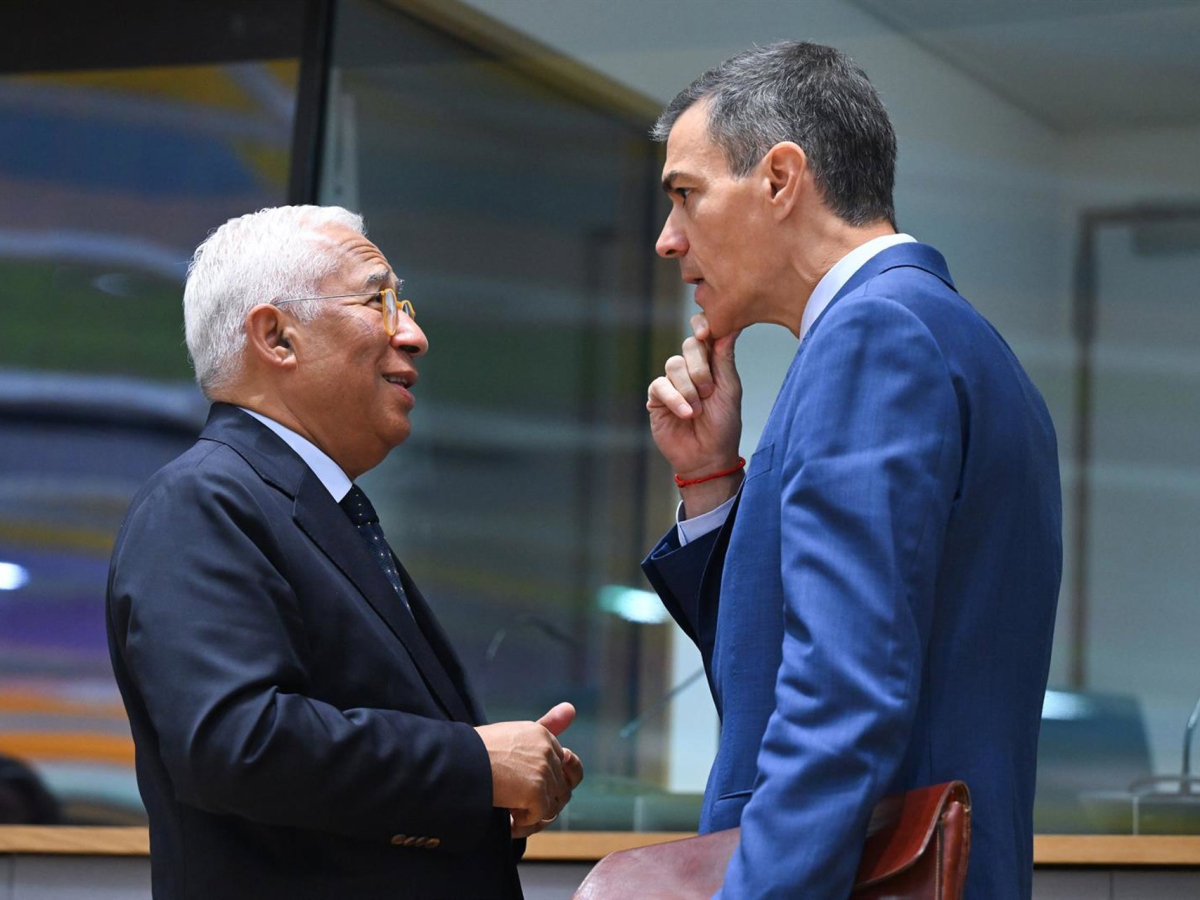
Some diplomats in Brussels insist that Europe must "flex its muscles" again so as not to be left behind, both politically and economically. The shared feeling is that other international actors are occupying the space that the European Union leaves vacant when it is slow to react. The President of the European Council, António Costa, wants Europeans to rethink their strategy in the face of a rapidly evolving situation. In his opinion, the continent must contribute "to de-escalation and peace in the region," as well as work to guarantee freedom of navigation in the Strait of Hormuz, a key artery for global energy supply.
Brussels has moved ahead of the leaders' meeting and on Wednesday released its plan to alleviate the effects that the conflict is having on energy bills. A document that will be analyzed by the Twenty-Seven, although it does not require a vote, as the Commission has given it the character of a "communication". "We will analyze the instruments at our disposal," diplomatic sources assure. In a letter prior to the meetings, Costa reminded his counterparts that "the effects of high fossil fuel prices are already visible in the daily lives of our citizens and businesses".
Five axes to resist the crisis
The European Commission's proposal is structured around five axes focused on alleviating the impact of high prices in the short term and strengthening resilience in the long term. Among the measures are coordination between Member States for joint purchases of gas and oil, a massive push for renewable energies and electrification, as well as a framework for temporary and specific state aid for vulnerable households, energy-intensive industries, and particularly affected sectors such as transport and agriculture. Brussels is trying to avoid repeating past mistakes, when the response may have been fragmented.
The document also stands out for discarding symbolic measures, such as promoting teleworking to save energy, and for not including a European tax on the extraordinary profits of energy companies due to the lack of unanimity among the Twenty-Seven. However, Brussels does endorse countries implementing similar national taxes. Instead, the Commission is committed to efficiency, replacing fossil fuels with domestic production, and mobilizing public and private capital to finance the energy transition. The objective is to protect the European economy from market instability without fracturing political unity.-
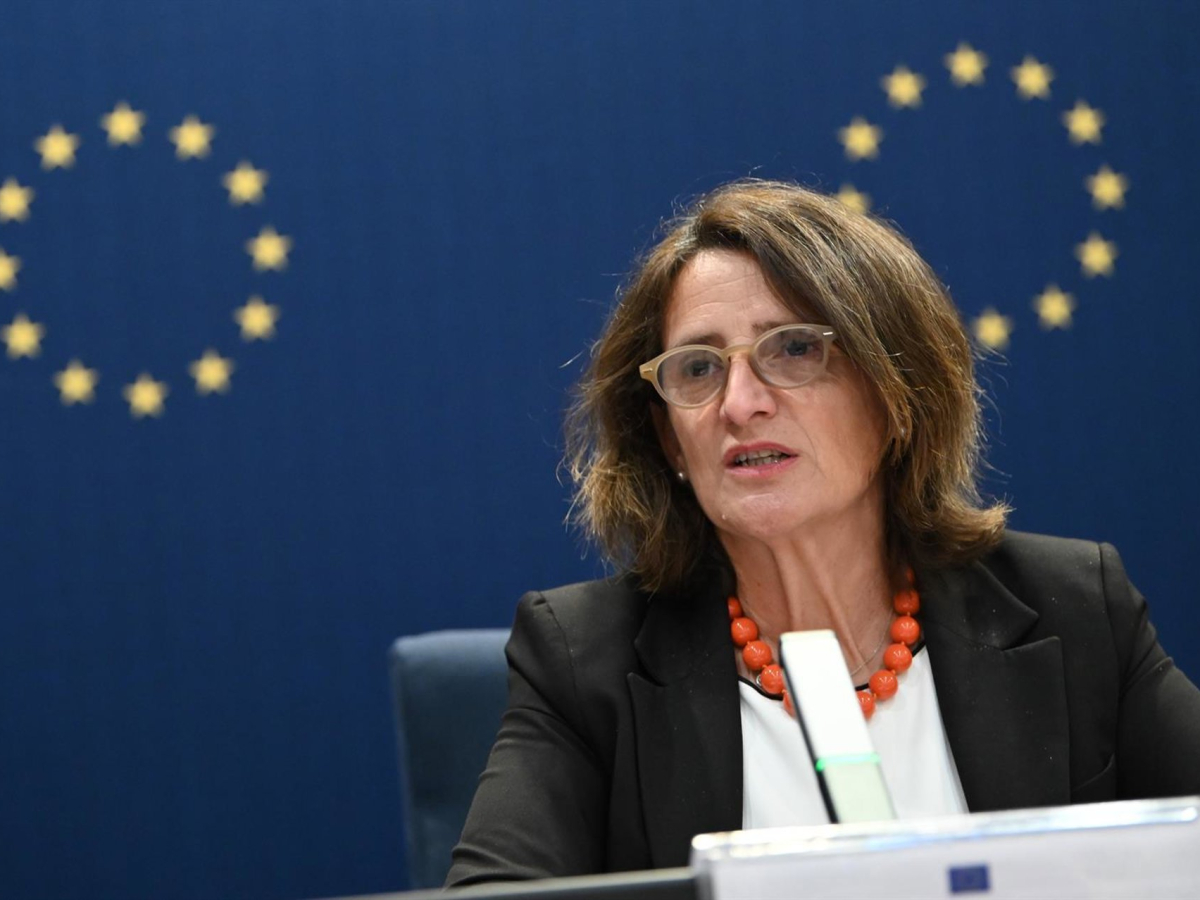
Faced with the volatility of the international scenario, some heads of government have raised the possibility of discussing the mutual defense clause included in the European Union treaties. This is Article 42.7, which already resurfaced in the European debate after threats from the United States regarding Greenland's territorial integrity last January. "The current geopolitical situation makes this provision perhaps even more relevant," they point out from Costa's cabinet. This article allows member states to act jointly when one of them is threatened by an external agent. Even so, sources from the European Council rule out any decision being made on this matter during this meeting. The debate exists, but action is still postponed.
Bridges with the Middle East
Furthermore, the leaders will have the opportunity to exchange views during a lunch on Friday with Eastern and Gulf leaders on the situation arising from the crisis in Iran. Community sources confirm that Egypt, Jordan, Lebanon, Syria, and the Gulf Cooperation Council have been invited to this meeting. This is a group that in Costa's circle is considered "very interesting," as they are all directly affected by the situation in the Middle East.
This format reflects an attempt by the European Union to gain diplomatic relevance in a region where it has traditionally had a secondary role compared to powers like the United States or Russia.
Featured story
How to understand the EU's blockade of Sánchez's proposal to break the agreement with Israel
6 minutes
However, in the Presidency of the Council they did not want the movements of the US president, Donald Trump, to end up overshadowing the European debates, as has happened on previous occasions. On the table, the file relating to the Multiannual Financial Framework, that is, the European Union's budget for the period 2028-2034, remains pending. In the preliminary calendars, its ratification was planned for this summer, something that now seems distant due to the evolution of the negotiations.
The European future in a budget
On Friday, Costa has reserved a point on the agenda for leaders to discuss how “our ambitions can be adapted to the necessary level of funding,” including the importance of new own resources. The challenge is enormous: to ensure that this long-term budget is aligned with the European competitiveness agenda. “We will revisit this matter periodically during this year to create the necessary conditions for a timely agreement,” Costa said in his invitation letter.
Diplomatic sources acknowledge that this will be the first time the Twenty-Seven address this point “seriously” since President Ursula von der Leyen presented her proposal. The negotiation of the budget goes beyond a technical discussion. It defines the Union’s political priorities for the next decade, from the energy transition to defense or innovation.
At this point, the Spanish delegation is critical of what Brussels has proposed. It considers that the proposal does not contain the necessary “ambition” for the current context. From President Pedro Sánchez's circle, they insist that Europe needs to take a significant leap in financing. “It is necessary to accelerate the intensity of discussions if we want to arrive on time,” they point out. The Spanish also question the scope of the new own resources, considering that they fall short. The underlying idea is clear: without more money, there will be no more Europe.
No trace of the elephant in the room
Throughout the entire meeting there will be a great absence in the room. The still Hungarian prime minister, Viktor Orbán, has declined to participate in the meeting given the imminent political change after his electoral defeat against opposition leader Peter Magyar. In the corridors of Brussels, this situation is perceived as a relief. "We were on the edge of the precipice," admit some sources.
Orbán's departure has already begun to have effects. This very week, the ambassadors managed to unblock the ninety billion loan for Ukraine that Budapest had been blocking, as well as the twentieth package of sanctions against Russia.
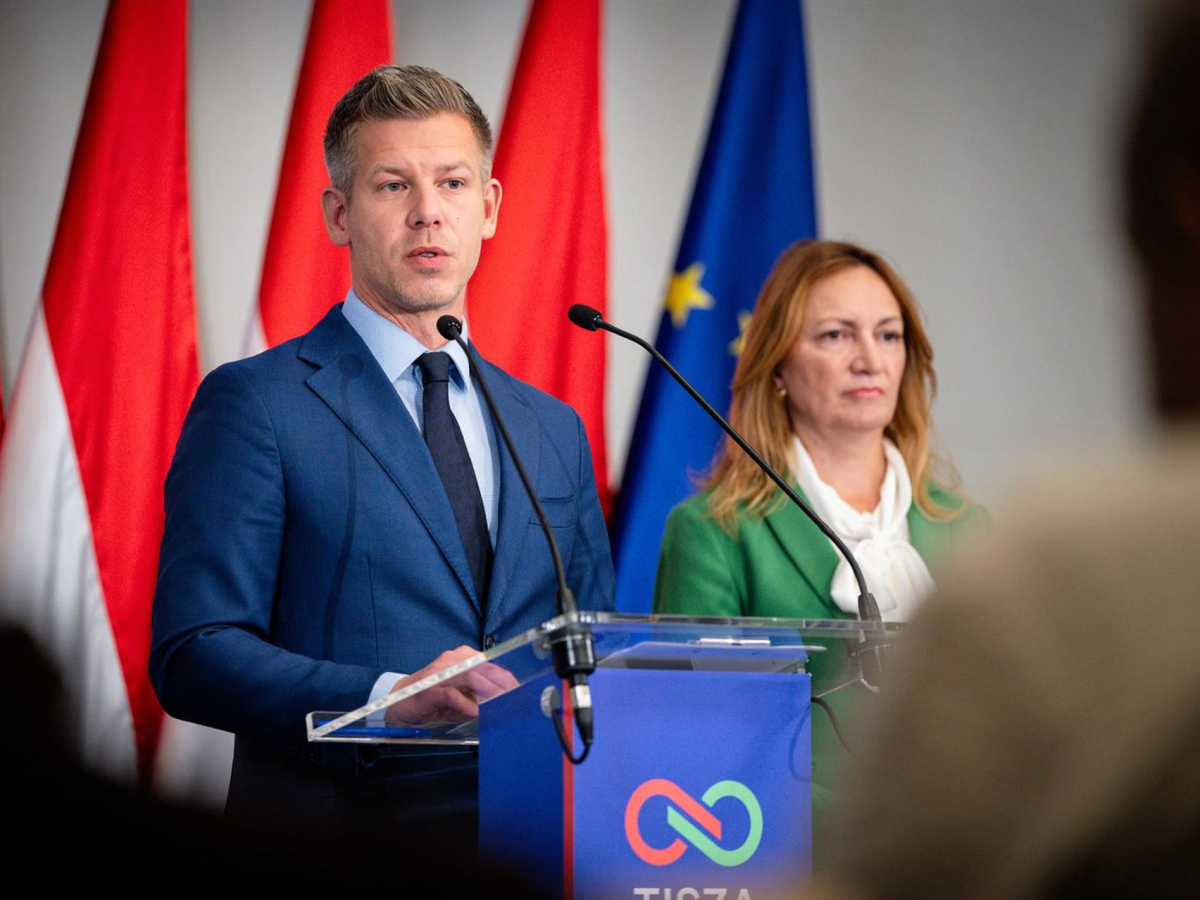
Furthermore, the fall of the ultraconservative leader has opened a window of opportunity to rethink the functioning of the Union. Von der Leyen proposed reviewing the decision-making system in foreign policy to avoid future blockages. In practice, this would imply ending unanimity and moving towards qualified majority. Moncloa defends this option, in line with Sánchez's federalist vision. "We cannot postpone that debate for much longer," they insist from the Spanish Government. Recent experiences have shown how difficult it is to approve relevant measures when a single veto is enough to paralyze them.
Featured story
The Twenty-Seven clear the path for the ninety-billion loan for Ukraine, after Orbán's fall
6 minutes
Europe faces the urgency
During these two days, the Twenty-Seven will balance reinforcing their voice in a conflict that directly impacts their economy and advancing structural decisions such as the community budget. The challenge is twofold: responding to the urgency without losing sight of the long term.
The feeling that runs through the corridors is that Europe cannot continue repeating its own unofficial anthem: "this debate has been postponed". The war in the Middle East, the energy crisis, and geopolitical tensions force action.