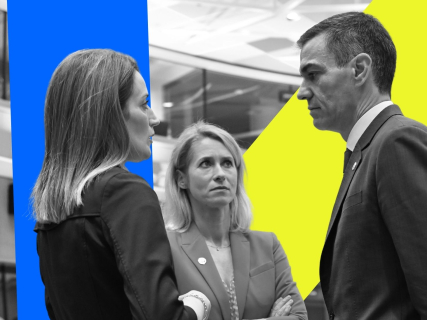

La Moncloa wants to go one step further in the pressure exerted on the Israeli government after the attacks in Lebanon. This Tuesday it will formalize its request to Brussels to break the association agreement with the country of Benjamin Netanyahu. A move that requires diplomatic balancing acts that are not currently observed in Brussels and are of great complexity, as various sources have been confirming until now.
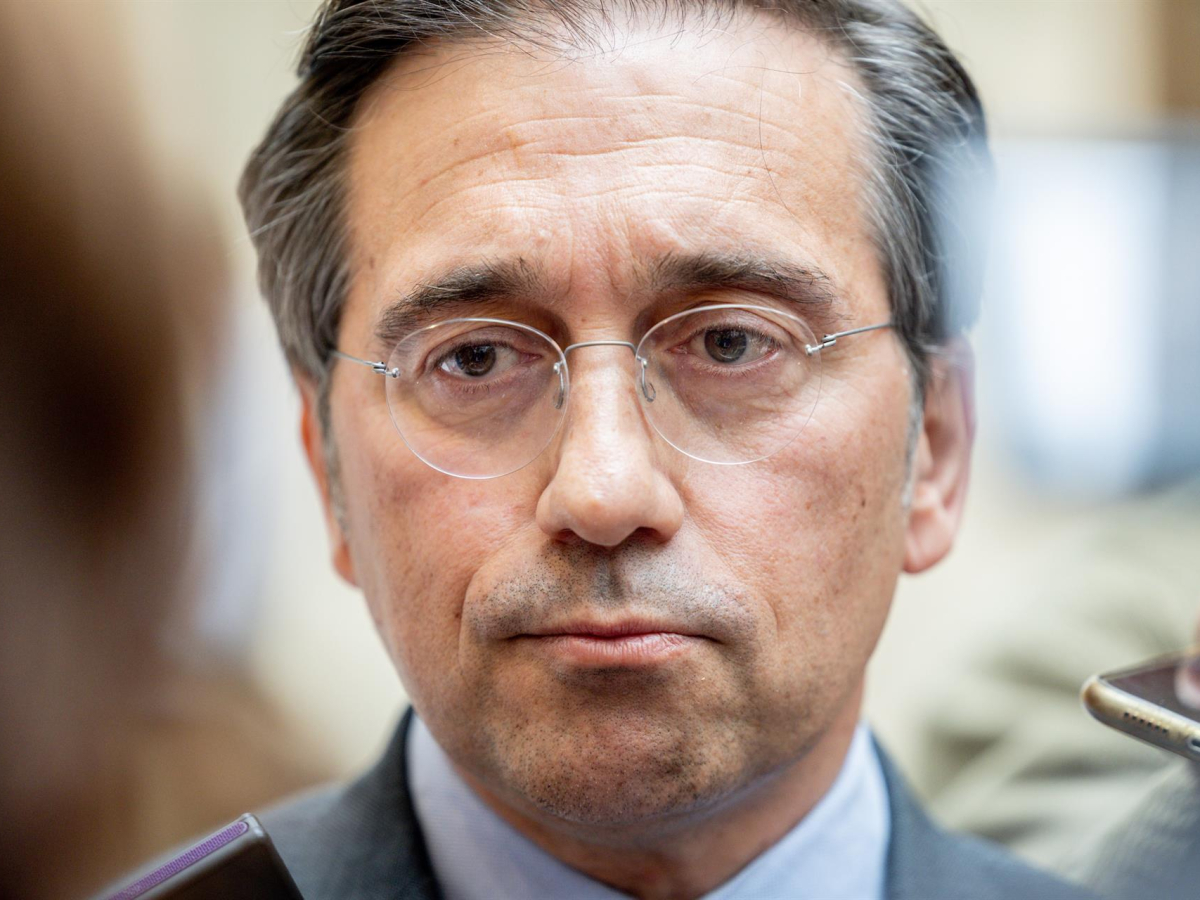
In a letter sent on Friday by the Minister of Foreign Affairs, José Manuel Albares, along with his counterparts from Ireland and Slovenia, Spain asked the head of European diplomacy, Kaja Kallas, for the European Union to cut its ties with Tel Aviv based on a clause in the agreement. More specifically, article two, which stipulates that this relationship may be broken in the event of a violation of human rights, which according to the Executive would be occurring now.

Featured story
Sánchez will take to the EU the proposal to suspend the Association Agreement with Israel
2 minutes
"Our numerous statements on the matter, and our direct calls to the Government of Israel to fully comply with its international and moral obligations and reverse said measures, have been ignored," stated Albares in the text sent to the European Commission, from which he expects it to assume its responsibility by defending "the fundamental values that have sustained the European project since its foundation."
Diplomatic balances, the menu of the day
However, it is not entirely simple. The rupture of the association agreement requires unanimity among the Twenty-Seven, as it is a political decision that directly affects the Union's foreign policy. “It is considered a foreign policy decision that is linked to the human rights clause. This implies that any member state can veto it,” diplomatic sources argue to Demócrata. Along the same lines, Kallas said on Monday that she did not observe a consensus regarding this stance before the meeting of foreign ministers this Tuesday in Luxembourg.
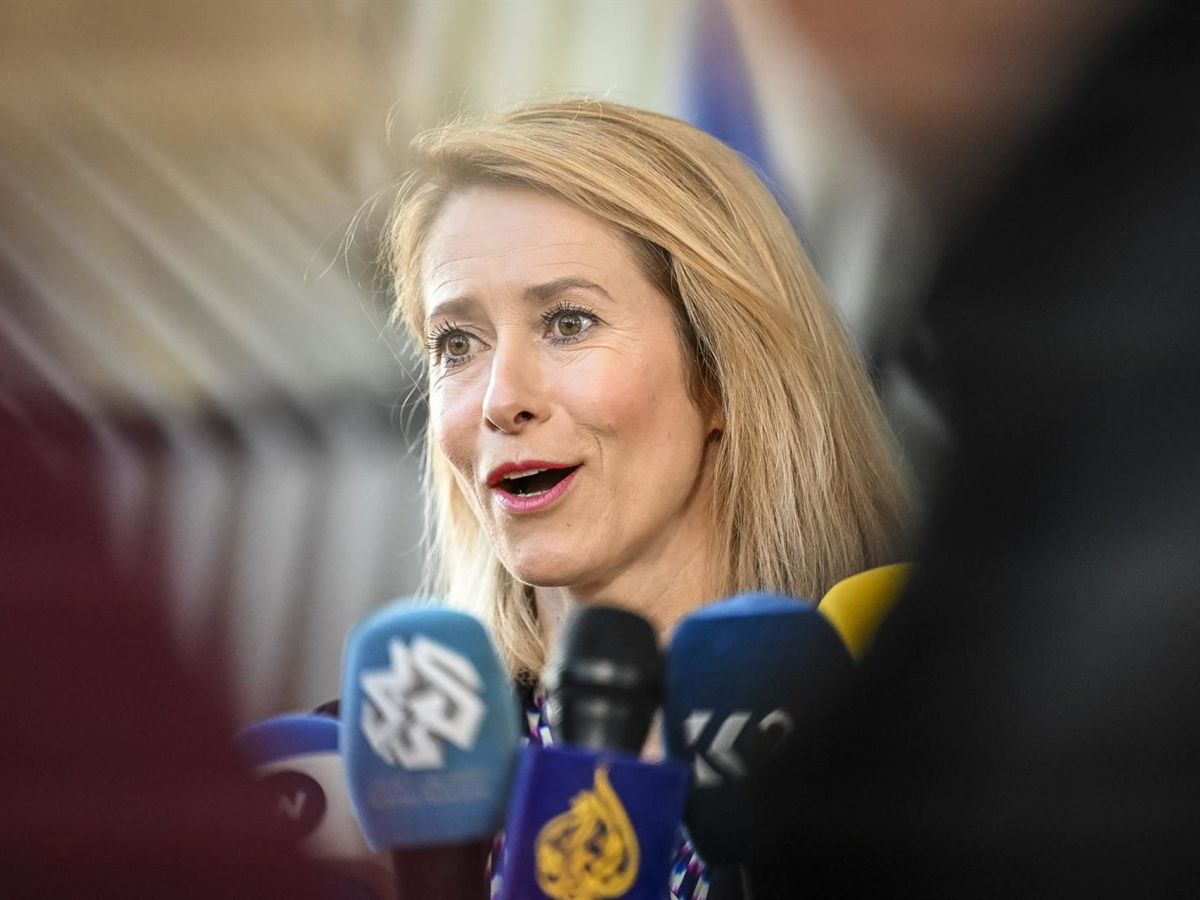
Brussels, as almost always, has another ace up its sleeve: the commercial part of the agreement. In September, when attacks in the Gaza Strip were still ongoing, the College of Commissioners even adopted the rupture of commercial relations with Netanyahu's bloc, even though it did not come into effect, as the peace agreement reached after US mediation halted all negotiations. Sources consulted confirm that this decision “operates under the common European commercial policy, which operates by qualified majority”. Kallas believes that, should a scenario be considered to put more pressure on Israel, this move would be debated first.
This decision materialized in a freezing of the tariff preferences granted to Israel, which referred from the free movement of goods to intellectual property, including public procurement.
"We already have some measures on the table"
On the table, it is more realistic that Europeans opt for trade measures such as the suspension of tariff preferences, the restriction of imports, or the tightening of trade conditions, which would not require unanimity. Of course, Brussels would have to return to its usual balances: it is necessary to justify these measures so that they do not appear to be political sanctions, which could facilitate the support of the countries closest to Israel.
The truth is that Spain leads a bloc along with Ireland and Slovenia, which in recent days could add new partners. The Italian Prime Minister, Giorgia Meloni, confirmed a week ago that her country would not renew its Defense cooperation agreement with the Netanyahu government due to the need to “continue working to advance peace negotiations” between the United States and Israel, making “all possible efforts to stabilize the situation and reopen the Strait of Hormuz”.
For his part, the French foreign spokesperson, Pascal Confavreux, also believes that this debate could be reopened because of military operations that he describes as unacceptable and disproportionate. Added to this is the fact that a citizens' initiative has reached the necessary million signatures to be debated. "A million people have spoken out: the EU must completely suspend its Association Agreement with Israel; the EU must defend international law and end its complicity in Israeli genocide," explained the initiators.
Spain, willing to move forward
“Once again it will be seen that we are not alone,” the Government spokesperson, Elma Saiz, even replied, in view of Tuesday's meeting. In the EU diplomatic teams, expectations are being lowered and an immediate vote in the Council on the rupture of the association agreement is ruled out. Kallas's plan involves first seeking consensus on the commercial route, the easiest step as it does not require unanimity, to then consider other options.
In data
How are decisions made in Brussels?
In the European Union, the type of voting depends on the area: unanimity is reserved for the most sensitive decisions, such as foreign policy, defense, sanctions, or fiscal matters, where states do not want to cede sovereignty and any country can veto. On the other hand, qualified majority is used in most EU policies, especially in economic, commercial, internal market, or regulatory matters.
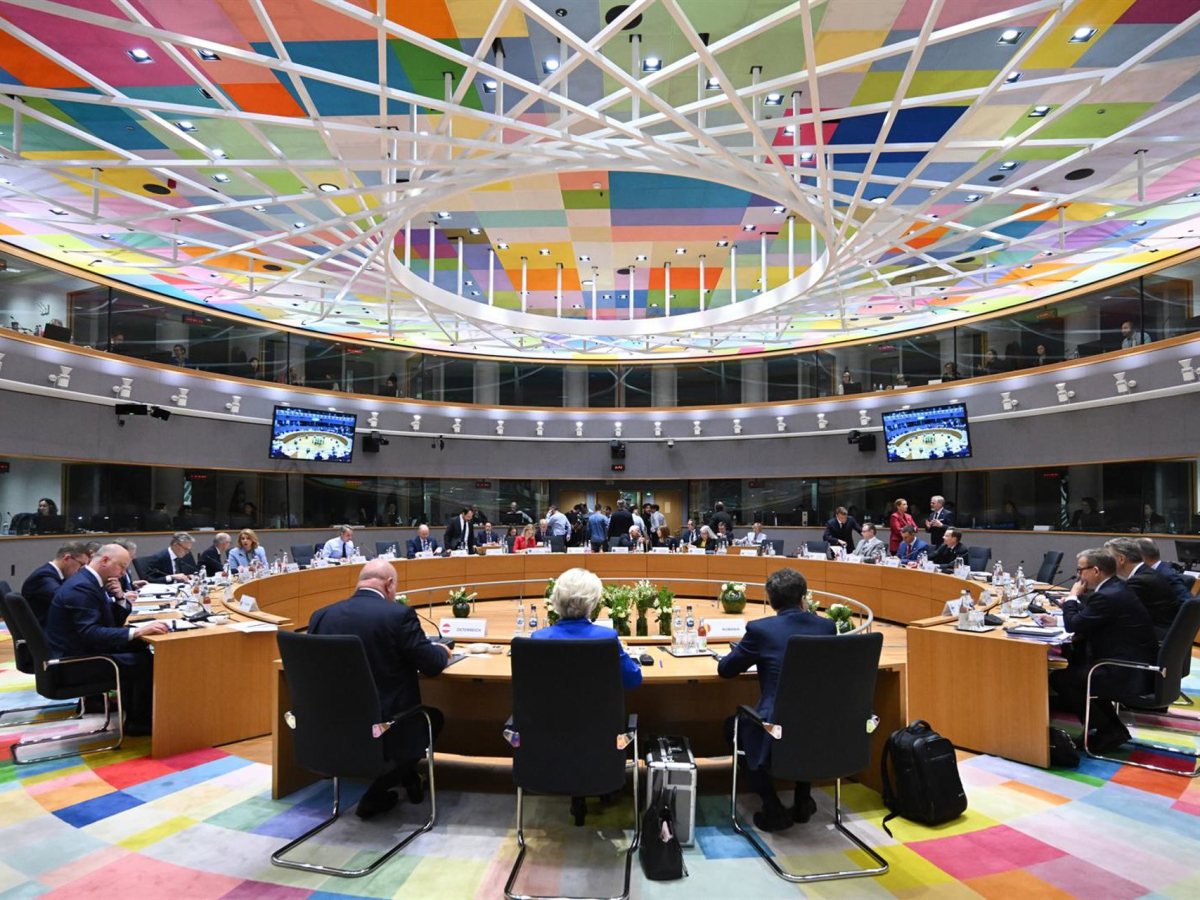
Unanimity requires the approval of the 27 Member States, so a single country can block any measure, which is common in foreign policy or sanctions.
On the other hand, qualified majority allows decisions to be made without total consensus, as the support of at least 55% of the countries (15 out of 27) representing at least 65% of the EU population is sufficient, a more agile system that is mainly used in economic and commercial matters.
Berlin is one of the most skeptical capitals when it comes to making these types of decisions regarding Tel Aviv. Last summer, it already vetoed the European Commission's proposal to prevent Israel from accessing the Horizon Europe research fund, which has 95 billion euros. At the time, the Netherlands, Ireland, France, Luxembourg, Slovenia, Portugal, Malta, and Spain approved the measure.
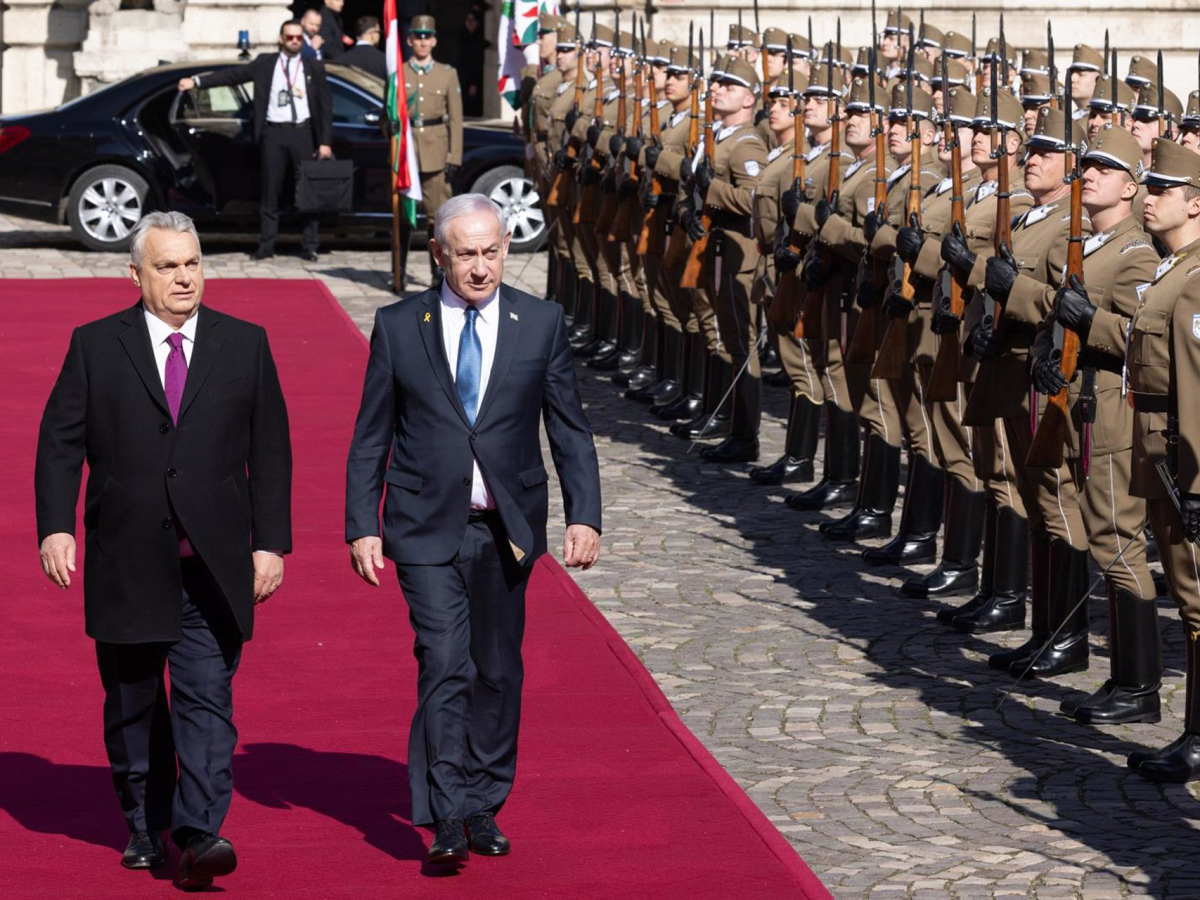
In this context, the fall of the Hungarian prime minister, Viktor Orbán, after the elections held just two weeks ago opens a new window of opportunity, as his government had so far been opposed to any kind of sanctions against Israel. “I will not speak on behalf of the new Executive,” clarified the head of community diplomacy, who does believe that “policies such as imposing sanctions on violent settlers can be reviewed and see if a new approach is adopted.”
What does this link imply?
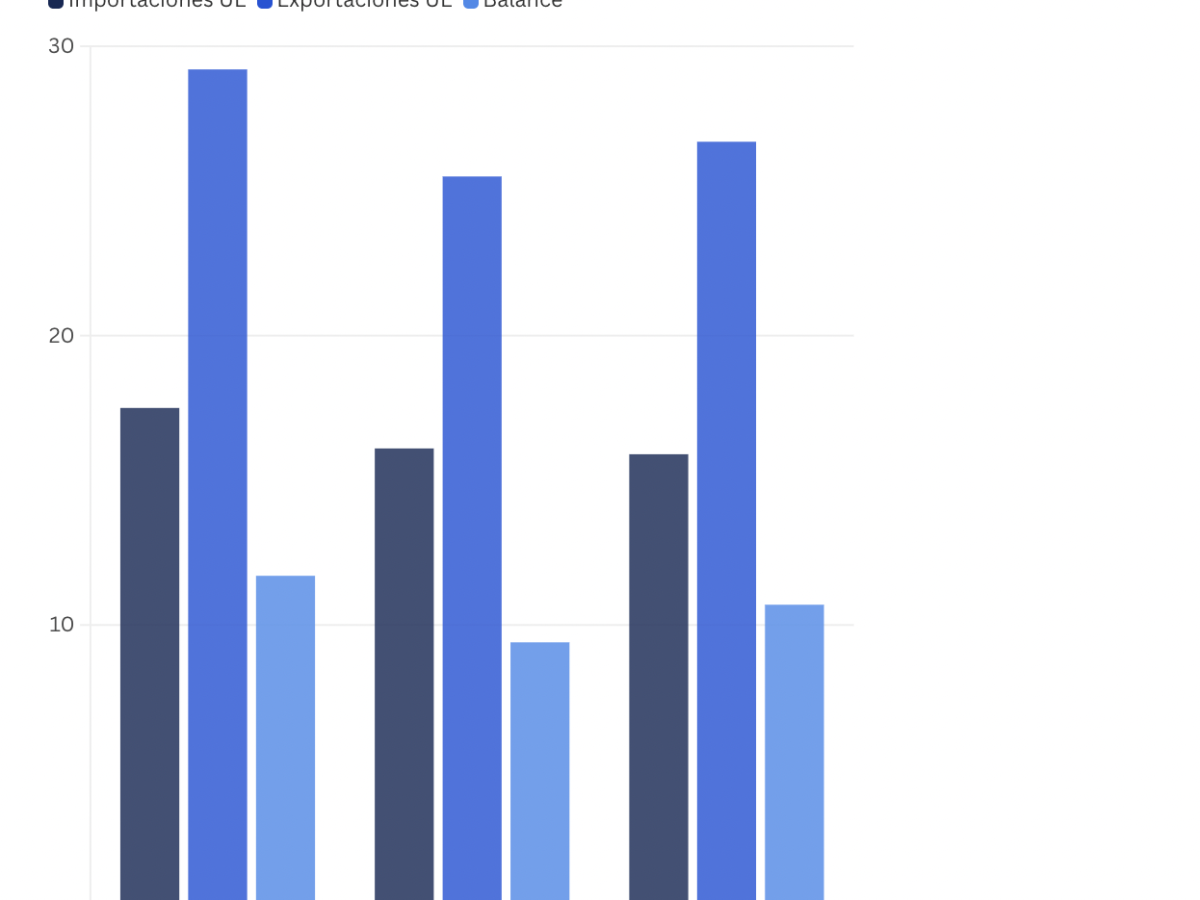
In commercial matters, the Hebrew country is the 31st partner of the Union, that is, it represents almost 0.8% of the EU's total trade in goods worldwide. Thus, Israel was until now the third largest trading partner of the EU in the Mediterranean region, only behind Morocco and Algeria. On the other hand, currently the Union is Israel's largest trading partner, representing 32% of its total trade in goods with the world.
In 2024, trade between the two powers exceeded 42 billion euros. Imports from Israel were around 16 billion, mainly in machinery, transport, and chemical products, while EU exports exceeded 26 billion.
There are precedents for this type of decision. In 2014, after Russia's annexation of Crimea, the European Council suspended cooperation with Russia, with specific exceptions. Brussels has also used sanctions as leverage before, for example with Serbia, where without formally breaking the association agreement, accession chapters have been frozen.
Far from the vetoes and skepticism of some member states, the European Union is once again testing its geopolitical reaction capacity. All this in a context in which the United States approaches the end of the ceasefire with Iran without a peace agreement, a scenario in which Spain is pushing, even knowing that it does not have all the cards.