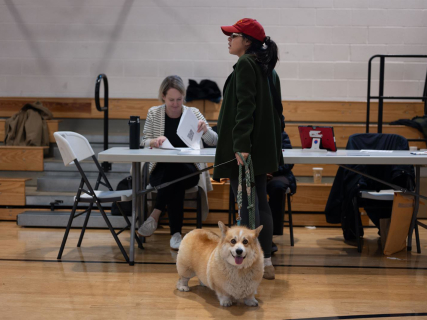

U.S. citizens are going to the polls online according to forecasts during the first hours of the midterm elections, legislative contests that are shaping up to be among the most crowded of recent years. Attention is focused especially on several decisive states to define control of the Senate, where turnout in some cases is approaching that recorded in the presidential elections.
Driven by the push of a mobilized Democratic electorate, largely by the progressive wing, and by the traditional discipline of the Republican voter, who is accustomed to voting in person on the same day as the election instead of using mail-in or early voting, the 2026 elections are aiming to comfortably surpass the 112 million voters of 2022 and could even come close to the historic high of 120 million reached in 2018.
In states like South Carolina, turnout records have already been broken. By 4:30 p.m. (10:30 p.m. in mainland Spain and the Balearic Islands), nearly 1.8 million residents had cast their vote since the polls opened, which amounts to 52.3 percent of registered voters. In cities like Detroit, a final turnout of 45% is expected, three points above the 2018 record, according to city secretary Janice Winfrey.
Florida, the traditional Republican stronghold, could close the day with about 1.4 million registered voters casting their ballots, at similar levels to those of 2022, according to estimates by the state election secretary, Brad Raffensperger.
Texas, considered one of the decisive territories in these legislative elections, is also moving in figures comparable to a presidential election: up to 10 million people could have voted by the end of the day, above what was recorded in the last two legislative contests.
Technical incidents and complaints about the role of observers
The day is generally running without major setbacks, although there have been specific incidents such as the one recorded in New York’s Westchester County, where the scanners tasked with reading the ballots broke, forcing the machines to be replaced in order to continue voting.
Two complaints also stand out about possible irregular behavior by observers from the Department of Justice in the states of Michigan and New Mexico.
In Michigan, observers allegedly asked election workers for their materials and asked them inappropriate questions, according to the office of Secretary of State Jocelyn Benson. In New Mexico, observers asked voters “some unusual questions,” according to what a spokesperson for New Mexico Secretary of State, Maggie Toulouse Oliver, stated to CBS News.
As a final note: Pope Leo XIV’s mail ballot has been received, according to what the secretary of Will County has confirmed to CBS News Chicago in the state of Illinois. The pope, whose birth name is Robert Prevost, is the first pontiff to vote in an American election. Last week, the Vatican announced that the Pontiff had cast his mail-in vote.