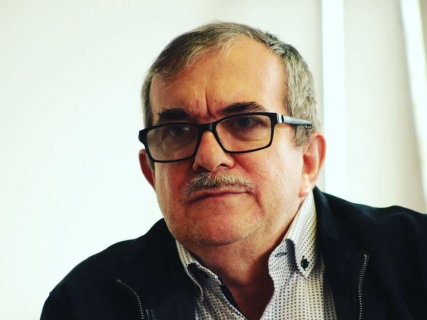

The Special Jurisdiction for Peace (JEP) of Colombia, the transitional justice body created following the 2016 peace agreements, has brought charges against a dozen former commanders of the FARC guerrilla, now disbanded, including its last top leader, Rodrigo Londoño, alias "Timochenko", for war crimes and crimes against humanity.
By officially characterizing these acts —among which are homicide, forced displacement, torture, and sexual violence— as war crimes and crimes against humanity, the JEP places them within the group of offenses that cannot be granted amnesty, which prevents those accused from evading criminal responsibility or availing themselves of some form of judicial pardon.
The Truth Recognition Chamber of the JEP has determined that the conduct attributed to the Magdalena Medio and Caribbean blocs did not constitute isolated episodes, but rather followed a strategy aimed at consolidating territorial control through the systematic use of violence and repression in areas with a weak presence of the State.
This JEP ruling falls within the so-called Case 10, focused on crimes not subject to amnesty committed by the former FARC guerrilla that were left out of other macro-investigations opened by the court.
Along with Londoño, other former senior commanders appear as accused who operated primarily in the north and northeast of the country, such as Pastor Alape; Erasmo Traslaviña, alias "Jimmy Guerrero"; Pedro Trujillo Hernández, known as "Alberto Cancharina"; and Jairo Cala Suárez, also nicknamed "Jairo Mechas".
If the accused accept the facts and recognize their responsibility, the JEP provides sanctions ranging from five to eight years of conditional freedom, which involve carrying out repair work and contributions to the truth for the victims. In the event that they reject the charges, an ordinary trial will be opened that could entail sentences of up to 20 years of actual imprisonment.