Rare diseases

Discover mutations in a new key gene in Kleefstra syndrome

An international investigation, co-led by the Carlos III Health Institute (ISCIII), has identified mutations in the EHMT2 gene responsible for Kleefstra syndrome. This is the second gene linked to this ultra-rare disease that compromises brain development.The work, published in "Nature Communications" and carried out with Charles University in Prague (Czech...

5 minutos

One in four patients with primary immune thrombocytopenia suffers from inability to work

Twenty-five percent of people with primary immune thrombocytopenia (ITP) experience work incapacity, and up to 89 percent report a deterioration in their mental health and daily lives. This data comes from a multidisciplinary report, developed with the social endorsement of the Spanish Society of Hematology and Hemotherapy (SEHH) and the...

5 minutos

What impact will the Royal Decree on STIs have on rare diseases and orphan drugs?

The new Spanish framework for Health Technology Assessment (HTA) has recently been approved by Royal Decree 415/2026. What impact will it have on rare diseases and orphan drugs? Among the possible benefits, the greater participation of patients and associations stands out, as the Royal Decree expressly mentions the need to...

5 minutos
fotonoticia 20260619174115 1920

The SENEP insists that early and specialized care is decisive in Dravet syndrome

The Spanish Society of Pediatric Neurology (SENEP) has emphasized that initiating an early and highly specialized approach is decisive for modifying the natural course of Dravet syndrome, a rare neurodevelopmental disorder estimated to affect approximately one in every 15,000 newborns."Early diagnosis is more important today than ever, as recognizing the...

5 minutos
JORNADA ANIS AELMHU

Research, access and funding, major challenges in addressing rare diseases

The National Association of Health Informers (ANIS) and the Spanish Association of Orphan and Ultra-Orphan Drug Laboratories (AELMHU) held a new edition of their Training Day for Journalists this Thursday, dedicated to rare diseases and orphan drugs. At the opening of the meeting, Beatriz Perales, president of AELMHU, presented the current...

5 minutos

The CIBERER joins a European project to reinforce "interoperability in rare diseases"

The Networking Biomedical Research Centre for Rare Diseases (CIBERER) has communicated its involvement in "Orphanet Data for Rare Diseases 3" (OD4RD3), a European initiative that "drives interoperability in rare diseases" and has just entered its third stage of development.As detailed by the entity, the "objective" is to "promote the adoption...

5 minutos
FOTO OFICIAL NUEVA JUNTA DIRECTIVA

AELMHU renews its Board of Directors

The Assembly of the Spanish Association of Laboratories of Orphan and Ultra-Orphan Drugs (AELMHU), made up of its 29 associated companies, has elected this Wednesday the new Board of Directors of the Association for the 2026-2028 period. The AELMHU Board of Directors, which will continue to be chaired by Beatriz...

5 minutos
fotonoticia 20260521173306 1920

SEDISA launches a working group to reinforce management leadership in rare disease management

The Spanish Society of Health Directors (SEDISA) has launched the Working Group for the Integral Management of Rare/Minority/Infrequent Diseases, with the aim of advancing towards a specific reference framework for health directors in addressing these pathologies within the National Health System.SEDISA recalls that, with more than 3 million people affected...

5 minutos
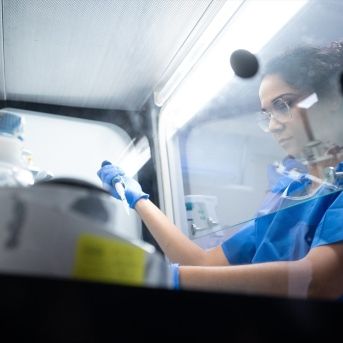
Catalonia, Madrid and Andalusia, leaders in research on rare diseases in Spain

Tomorrow marks the International Clinical Trials Day. Coinciding with the date, the Spanish Association of Laboratories for Orphan and Ultra-Orphan Drugs (AELMHU) has just published the 'Report on Clinical Trials for Rare Diseases in Spain 2025' The document analyzes the most relevant data on clinical trials authorized for these pathologies...

5 minutos

Rare diseases: a European challenge of equity, innovation, and public health

Rare diseases have historically been relegated to the background in health agendas, despite their real impact: more than 30 million Europeans live with one of these pathologies. This figure is not marginal, but the expression of a structural challenge that tests the European Union's capacity to guarantee equity, cohesion, and...

5 minutos

Most read

Hola, soy Fren. ¿Cómo te ayudo?