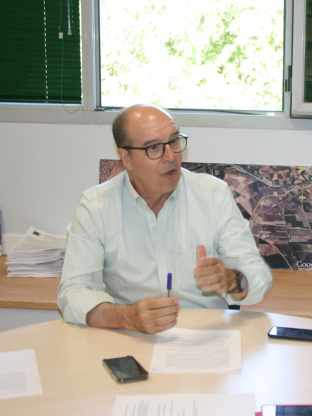

Asaja Córdoba has shown its support for the activation of the temporary withdrawal mechanism for olive oil, a tool that the organization had been calling for in order to prevent an increase in the available supply from leading to a collapse in prices at origin. At the same time, it has demanded that imports be stopped while this measure is in force.
As the agricultural organization has stated in a press release, its president, Fernando Adell, explained that this is "an important and necessary step to help balance the market," although he stressed that its true usefulness will need to be reflected in improved profitability for the farms.
"The producing sector had been calling for this tool for some time. Its implementation is good news, but it is not a definitive solution. We will be closely watching its application and that its effects truly reach the farmer," he said.
The organization has reiterated that this action must be complemented by strict control of purchases from abroad, since "it makes no sense to ask the producing sector to temporarily withdraw oil from the market while imports continue to enter that can counteract that effort. We have demanded that they be halted while the measure is in effect and we are going to keep demanding it," Adell said.
Likewise, Asaja has insisted that the priority is to ensure prices at origin that allow costs of production to be covered and agricultural activity to be sustained. "Behind every kilo of oil there is a year of work, investment and expenses: labor, energy, fertilizers, and many other costs that the farmer has to face. The profitability of our farms must be at the center of any action," he said.
In the province of Córdoba, Asaja focuses especially on traditional, rainfed olive groves, which have less room to adjust expenses and play a key role in employment and in the economy of numerous municipalities. The organization warns that the loss of profitability in these properties has repercussions for the entire production chain.
"When a farm stops being profitable, it is not only the farmer who suffers. Workers are also affected, as are cooperatives, mills, and small businesses that live off agricultural activity. Defending our olive groves is defending jobs and the future of our towns," Adell emphasized.
Finally, Asaja Córdoba has stressed that it will closely monitor the implementation of the withdrawal mechanism and will maintain its demands so that the effort assumed by the producing sector translates into greater market stability and fair remuneration for olive growers.