
The Central Veterinary Laboratory (LCV) of Algete has confirmed for the first time in the Canary Islands the presence of the West Nile Virus (WNV) in three horses located in the same equestrian center situated in the south of Gran Canaria.
The General Directorate of Agricultural Production Health and Animal Welfare, an agency attached to the Ministry of Agriculture, Fisheries and Food (MAPA), has announced this finding in its latest update on August 19 regarding the situation of the so-called West Nile Virus in Spain.
According to the department, the three positives were identified through passive surveillance, after the clinical veterinarian reported the appearance of neurological symptoms to the Official Veterinary Services of the Autonomous Community of the Canary Islands.
The Ministry has added that, in addition to these already confirmed animals, there are other clinical suspicions of new possible cases in the same equestrian center that are currently being analyzed.
In the entire national territory, during the current 2026 season, the presence of the disease has been confirmed in birds or equids from the autonomous communities of Andalusia, Catalonia, Extremadura, and the Canary Islands.
West Nile Virus: endemic disease and transmission
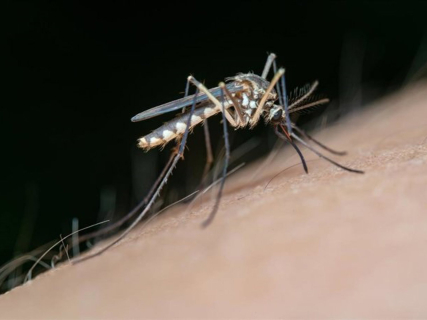
The WNV is a viral pathology, endemic in certain areas of Spain, that is transmitted through the bite of mosquitoes of the genus Culex. It mainly affects birds, which along with mosquitoes constitute the main reservoir of the virus, although it can also affect equids and humans.
In most cases, both in horses and in humans, the infection occurs without showing clinical signs, but a small percentage may develop a severe form, with a picture of encephalomyelitis and neurological symptoms.
In this context, the Ministry has emphasized the importance of remembering that equids and humans act as dead-end hosts; that is, they are not capable of transmitting the infection or maintaining the virus as a reservoir.