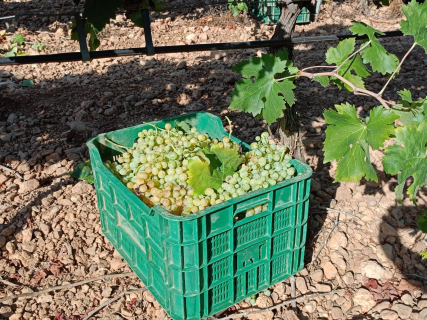
The harvest of Vi de la Terra Mallorca in 2026 exceeds 6.5 million kilos of grapes, 23% more than in 2025

The IGP Vi de la Terra Mallorca closes the 2026 harvest with 6.5 million kilos of grapes and a 23.14% increase in a demanding climate context.

fotonoticia 20261125202947 1920

fotonoticia 20261125202947 1920

Add DEMÓCRATA to Google

Ask FREN

Published

4 minutes

Most read

Hasta el día de las elecciones (29 de noviembre) se muestran los resultados de las elecciones generales anteriores, las del 23 de julio de 2023.

Resultados de las elecciones generales del 29N en directo

Elecciones generales del 23 de julio de 2023 · Congreso de los DiputadosSenado

Escrutado: 100,00 %Votantes: 24.952.447Participación: 66,59 %

Votos

PartidoEscañosVotosPorcentaje
PP1378.160.83733,06 %
PSOE1217.821.71831,68 %
Vox333.057.00012,38 %
Sumar313.044.99612,33 %
ERC7466.0201,89 %
Junts7395.4291,60 %
EH Bildu6335.1291,36 %
EAJ-PNV5277.2891,12 %
BNG1153.9950,62 %
CCa1116.3630,47 %
UPN152.1880,21 %
PACMA0169.2370,69 %
CUP-PR099.6440,40 %
FO046.2740,19 %
NC-bc045.5950,18 %
PDeCAT-E-CiU032.0160,13 %
RECORTES CERO023.4210,09 %
PUM+J023.2900,09 %
U.P.L.023.2010,09 %
EXISTE020.4400,08 %
PCTE013.3820,05 %
GBAI099380,04 %
SY096970,04 %
Adelante091910,04 %
JM+082930,03 %
ESCAÑOS EN BLANCO079860,03 %
XAV073620,03 %
BQEX058070,02 %
CJ056200,02 %
FE de las JONS046830,02 %
PAR041730,02 %
PCTC038750,02 %
ESPAÑA VACIADA031580,01 %
PH029020,01 %
ASTURIAS EXISTE EV023140,01 %
XH019310,01 %
VP019170,01 %
Zsi018430,01 %
VB017740,01 %
POR MI REGIÓN016980,01 %
AHORA CANARIAS-PCPC016740,01 %
PARTIDO AUTÓNOMOS014460,01 %
EVB014420,01 %
CpM012980,01 %
JxG012180,00 %
EV-PCAS-TC011840,00 %
PREPAL09640,00 %
Somos Cc09630,00 %
ALM08740,00 %
PCTG07020,00 %
F.I.A.05060,00 %
3e04840,00 %
Ud.Ca04630,00 %
ESCONS EN BLANC04620,00 %
GITV03660,00 %
PUEDE02690,00 %
EVC02650,00 %
LB02630,00 %
PCTE/ELAK02590,00 %
UNIDOS SI02530,00 %
+RDS+01650,00 %
CCD01530,00 %
FUERZA CÍVICA01150,00 %

Porcentajes sobre votos válidos. Resultados definitivos del 23J de 2023.

Escaños (350)

Mayoría: 176
PP: 137 escaños en 2023PSOE: 121 escaños en 2023Vox: 33 escaños en 2023Sumar: 31 escaños en 2023ERC: 7 escaños en 2023Junts: 7 escaños en 2023EH Bildu: 6 escaños en 2023EAJ-PNV: 5 escaños en 2023BNG: 1 escaño en 2023CCa: 1 escaño en 2023UPN: 1 escaño en 2023137121333120232023
  • PP 137
  • PSOE 121
  • Vox 33
  • Sumar 31
  • ERC 7
  • Junts 7
  • EH Bildu 6
  • EAJ-PNV 5
  • BNG 1
  • CCa 1
  • UPN 1

Pactómetro

Pulsa los partidos para sumar sus escaños.

Los escaños más ajustados

Quién tiene el último escaño, quién le sigue y los votos que le faltan
  1. GironaJxCAT - JUNTSyPP285 votos

    El último escaño de Girona (el 6.º) es para JxCAT - JUNTS. Le sigue el PP, que necesitaría 285 votos más para quitárselo. Ver Girona ›

  2. CantabriaVOXyPP403 votos

    El último escaño de Cantabria (el 5.º) es para VOX. Le sigue el PP, que necesitaría 403 votos más para quitárselo. Ver Cantabria ›

  3. TarragonaJxCAT - JUNTSyPSC1247 votos

    El último escaño de Tarragona (el 6.º) es para JxCAT - JUNTS. Le sigue el PSC, que necesitaría 1247 votos más para quitárselo. Ver Tarragona ›

  4. AlbacetePSOEyVOX1412 votos

    El último escaño de Albacete (el 4.º) es para el PSOE. Le sigue VOX, que necesitaría 1412 votos más para quitárselo. Ver Albacete ›

  5. SalamancaPPyPSOE1495 votos

    El último escaño de Salamanca (el 4.º) es para el PP. Le sigue el PSOE, que necesitaría 1495 votos más para quitárselo. Ver Salamanca ›

Provincias con al menos el 30 % escrutado donde el último escaño cambiaría de manos con menos votos. Pulsa una para ver el detalle.

Senado

100,00 % escrutado
PartidoSenadores
PP120
PSOEPSOE: 73 senadoresSe presenta con estos nombres:
  • PSOE48
  • PSC12
  • PSdeG-PSOE4
  • PSE-EE (PSOE)4
  • PSN-PSOE3
  • PSIB-PSOE1
  • PSOE-SUMAR-EUIB-ARA EIVISSA1
73
EH Bildu4
EAJ-PNV4
ERCERC: 3 senadoresSe presenta con estos nombres:
  • ERC-ESQUERRES PER LA INDEPENDÈNCIA2
  • ERC1
3
Junts1
UPN1
A.H.I.1
ASG1

Los partidos que se presentan con varios nombres van juntos: pasa por encima para ver el detalle. Baleares y Canarias eligen sus senadores por islas.

Senadores (208)

Elegidos en las urnas
PP: 120 senadores en 2023PSOE: 73 senadores en 2023 (PSOE: 48; PSC: 12; PSdeG-PSOE: 4; PSE-EE (PSOE): 4; PSN-PSOE: 3; PSIB-PSOE: 1; PSOE-SUMAR-EUIB-ARA EIVISSA: 1)EH Bildu: 4 senadores en 2023EAJ-PNV: 4 senadores en 2023ERC: 3 senadores en 2023 (ERC-ESQUERRES PER LA INDEPENDÈNCIA: 2; ERC: 1)Junts: 1 senador en 2023UPN: 1 senador en 2023A.H.I.: 1 senador en 2023ASG: 1 senador en 20231207320232023
  • PP 120
  • PSOE 73
  • EH Bildu 4
  • EAJ-PNV 4
  • ERC 3
  • Junts 1
  • UPN 1
  • A.H.I. 1
  • ASG 1

Los senadores designados por los parlamentos autonómicos no se eligen en las urnas.

Mapa

Ganador por provincia

    CanariasCeutaMelillaAraba/Álava: PSE-EE (PSOE) 27,7 %Albacete: PP 39,9 %Alicante/Alacant: PP 36,7 %Almería: PP 40,9 %Ávila: PP 43,3 %Badajoz: PSOE 39,2 %Illes Balears: PP 35,6 %Barcelona: PSC 35,7 %Burgos: PP 40,6 %Cáceres: PSOE 38,9 %Cádiz: PP 34,8 %Castellón/Castelló: PP 35,2 %Ciudad Real: PP 40,5 %Córdoba: PP 37,9 %A Coruña: PP 43,1 %Cuenca: PP 39,8 %Girona: PSC 28,9 %Granada: PP 37,0 %Guadalajara: PP 36,3 %Gipuzkoa: EH Bildu 31,2 %Huelva: PP 36,4 %Huesca: PP 38,2 %Jaén: PP 37,3 %León: PP 36,9 %Lleida: PSC 29,5 %La Rioja: PP 45,6 %Lugo: PP 50,2 %Madrid: PP 40,6 %Málaga: PP 38,3 %Murcia: PP 41,2 %Navarra: PSN-PSOE 27,4 %Ourense: PP 50,0 %Asturias: PP 35,7 %Palencia: PP 42,0 %Las Palmas: PSOE 33,2 %Pontevedra: PP 39,7 %Salamanca: PP 46,9 %Santa Cruz de Tenerife: PP 35,4 %Cantabria: PP 42,1 %Segovia: PP 45,0 %Sevilla: PSOE 36,6 %Soria: PP 37,2 %Tarragona: PSC 32,9 %Teruel: PP 35,0 %Toledo: PP 37,8 %Valencia/València: PP 33,6 %Valladolid: PP 40,8 %Bizkaia: EAJ-PNV 26,9 %Zamora: PP 44,7 %Zaragoza: PP 36,0 %Ceuta: PP 38,8 %Melilla: PP 49,2 %

    Pulsa una provincia para ver sus resultados y elegir municipio.

    Mapa

    Partido con más senadores por provincia

    CanariasCeutaMelillaAraba/Álava: PSOE, 3 de 4 senadoresAlbacete: PP, 3 de 4 senadoresAlicante/Alacant: PP, 3 de 4 senadoresAlmería: PP, 3 de 4 senadoresÁvila: PP, 3 de 4 senadoresBadajoz: PSOE, 2 de 4 senadoresIlles Balears: PP, 3 de 6 senadoresBarcelona: PSOE, 3 de 4 senadoresBurgos: PP, 3 de 4 senadoresCáceres: PP, 2 de 4 senadoresCádiz: PP, 3 de 4 senadoresCastellón/Castelló: PP, 3 de 4 senadoresCiudad Real: PP, 3 de 4 senadoresCórdoba: PP, 3 de 4 senadoresA Coruña: PP, 3 de 4 senadoresCuenca: PP, 3 de 4 senadoresGirona: PSOE, 3 de 4 senadoresGranada: PP, 3 de 4 senadoresGuadalajara: PP, 3 de 4 senadoresGipuzkoa: EH BILDU-INDEPENDENTZIA EZKERRETIK, 3 de 4 senadoresHuelva: PP, 2 de 4 senadoresHuesca: PP, 3 de 4 senadoresJaén: PP, 3 de 4 senadoresLeón: PP, 3 de 4 senadoresLleida: PSOE, 3 de 4 senadoresLa Rioja: PP, 3 de 4 senadoresLugo: PP, 3 de 4 senadoresMadrid: PP, 3 de 4 senadoresMálaga: PP, 3 de 4 senadoresMurcia: PP, 3 de 4 senadoresNavarra: PSOE, 3 de 4 senadoresOurense: PP, 3 de 4 senadoresAsturias: PP, 3 de 4 senadoresPalencia: PP, 3 de 4 senadoresLas Palmas: PSOE, 4 de 5 senadoresPontevedra: PP, 3 de 4 senadoresSalamanca: PP, 3 de 4 senadoresSanta Cruz de Tenerife: PSOE, 3 de 6 senadoresCantabria: PP, 3 de 4 senadoresSegovia: PP, 3 de 4 senadoresSevilla: PSOE, 3 de 4 senadoresSoria: PP, 3 de 4 senadoresTarragona: PSOE, 3 de 4 senadoresTeruel: PP, 3 de 4 senadoresToledo: PP, 3 de 4 senadoresValencia/València: PP, 2 de 4 senadoresValladolid: PP, 3 de 4 senadoresBizkaia: EAJ-PNV, 3 de 4 senadoresZamora: PP, 3 de 4 senadoresZaragoza: PP, 3 de 4 senadoresCeuta: PP, 2 de 2 senadoresMelilla: PP, 2 de 2 senadores

    Pulsa una provincia para ver sus senadores y candidatos.

    Resultados definitivos de las elecciones generales del 23 de julio de 2023 (Ministerio del Interior). Mapas: Instituto Geográfico Nacional (es-atlas, CC BY 4.0). Demócrata.

    The 2026 grape harvest campaign of the Protected Geographical Indication (IGP) Vi de la Terra Mallorca has concluded with a total of 6.5 million kilos of grapes, which represents an increase of 23.14% compared with the previous year.

    According to data released by the Regulatory Council, the quantity of grapes covered by the geographical indication has seen a notable leap in a campaign marked both by the evolution of yields and by the increase in the number of registered wineries and vineyards.

    Of the total volume collected this year, around four million kilos belong to red varieties, which account for 61.46% of the grapes delivered. White varieties reach 2.5 million kilos, the remaining 38.54%.

    Comparison with the 2025 harvest

    In relation to the 2025 harvest, red grapes have recorded an increase of 30.59%, while whites have risen by 12.87%.

    Among the varieties with the highest weight in the crop, Manto Negro is in first position, with 949.868 kilos, followed by Merlot, with 887.547 kilos; Premsal Blanc, with 756.414 kilos; Syrah, with 687.015 kilos, and Callet, with 614.908 kilos.

    The group of the most relevant varieties is completed by Cabernet Sauvignon, with 555.328 kilos; Chardonnay, with 483.463 kilos, and Giró Ros, with 480.988 kilos.

    The comparison of the varieties that were already included in the IGP last year makes it possible to identify which grape types have been key to the overall increase in the harvest.

    In the case of Premsal Blanc, an additional 243.502 kilos were collected, which represents a rebound of 47.5% compared with 2025. Callet, for its part, added 236.419 kilos more (+62.5%).

    If the data are analyzed in absolute terms, Merlot is the variety that grows the most, with 279.831 kilos more than the previous campaign, a rise of 46%.

    Significant increases are also seen in Manto Negro, with 188.394 kilos more (+24.7%); Giró Ros, with 148.873 kilos additional (+44.8%), and Syrah, with 117.471 kilos more (+20.6%).

    By contrast, Chardonnay records the steepest drop in volume, with 99.432 kilos less than in 2025, which is equivalent to a decline of 17.1%.

    Likewise, entries of Moscatel, Pinot Noir, Viognier, Riesling and Parellada, among other minor varieties, have been reduced.

    Three new varieties added

    The vintage of this year incorporates for the first time three varieties that have been added to the IGP register in 2026: Escursac, with 37,831 kilos; Esperó de Gall, with 5,649 kilos, and Giró Negre, with 5,351 kilos. Taken together, these new grapes contribute 48,831 kilos to total production.

    The Regulatory Council emphasizes that the overall increase of 23.14% must be read in light of the transformations in the production base of the geographical indication.

    Among the most relevant factors is the expansion of the registered vineyard area, which has gone from 1,908 hectares in 2025 to 2,130 hectares in 2026, representing an approximate growth of 11.64%.

    Added to this increase in vineyard is the entry of five wineries that until now were producing under another quality category and that this year have declared all of their production under the IGP Vi de la Terra Mallorca.

    According to the Regulatory Council, the addition of these wineries explains a substantial part of the grape increase recorded during the campaign.

    For this reason, the increase in total volume cannot be attributed solely to an improvement in the yields of the vineyards that were already registered in the previous campaign.

    If the effect of the new registrations in the geographical indication is discounted, the initial estimates placed the production advance between 5% and 10% compared with 2025.

    Among the elements that have conditioned the vintage, Vi de la Terra Mallorca especially highlights the productive recovery of Premsal Blanc.

    This variety suffered a very sharp drop in 2025 and this year has experienced a significant rebound in arrivals, although it has not yet reached its usual levels.

    The performance of Premsal Blanc shows a certain alternation between campaigns, with years of high production and others with more contained harvests.

    This pattern could be linked to physiological regulation mechanisms of the vine and to the environmental conditions that influence its development throughout the growing cycle.

    An increasingly demanding climate scenario

    All of this process has taken place in an especially demanding climatic context. The last two vintages have been conditioned by very high temperatures and repeated episodes of heatwaves.

    In 2026, in particular, high temperatures both during the day and at night have stood out. Warm nights can limit the plant’s physiological recovery and increase the accumulated heat stress, with potential effects on vegetative development, grape ripening, and the productive capacity of vineyards.

    With regard to rainfall, the season began with a wet winter that has made it possible to maintain certain soil water reserves and ensure a reasonable water availability in the early phases of the vine cycle.

    Nonetheless, this situation has not been uniform across the entire island, since differences between areas have been observed depending on the distribution of precipitation and the characteristics of soils.

    The Regulatory Council considers that the combination between partial recovery of some varieties, especially Premsal Blanc, and increasingly harsh climatic conditions will continue to be a key element for the future of the sector.