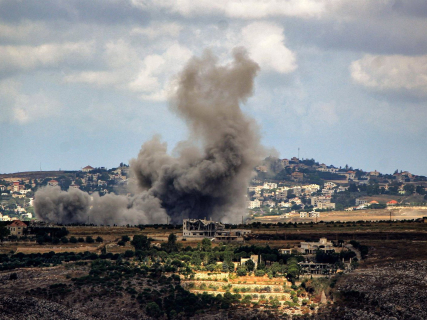

The main measure to protect oneself from the smoke of wildfires is to stay at home or in an enclosed space whenever possible, with doors and windows closed to prevent the entry of particles from combustion. The recommendation is especially important in areas closest to the fires, but also in municipalities located kilometers from the front where the smell of burning, the presence of ashes, or the darkened sky indicate that the smoke has reached the population.
Specialists remind that the risk is not only in the flames. The smoke contains very small particles capable of penetrating the respiratory tract and reaching deep areas of the lungs, so it is advisable to reduce exposure even when there is no direct threat from the fire to the homes. In no case is it recommended to do sports or physical activity outdoors in the affected areas, as effort increases the amount of air inhaled and, with it, the entry of particles into the body.
Air conditioning in recirculation mode
Inside the house, one of the most important guidelines is to use the air conditioning, if available, in recirculation or recycled mode, so that the unit takes air from inside the home and does not draw it from outside. This measure helps to prevent smoke from continuing to enter enclosed spaces when the quality of the outside air is poor.
It is also advisable to avoid activities that worsen indoor air, such as smoking, lighting candles, using fireplaces, or generating dust. If ashes enter the home, it is recommended to remove them with damp cloths and not to sweep dry, because doing so can cause the particles to become suspended in the air again.
FFP2 or FFP3 mask if you have to go out
If going outside is essential, experts recommend using FFP2 or FFP3 masks, especially in the case of vulnerable individuals. Surgical masks, handkerchiefs, or scarves do not provide adequate protection against fine smoke particles, although a surgical mask could offer limited benefit if there are visible ashes and no other protection is available.
The recommendation particularly affects elderly people, small children, pregnant women, patients with respiratory diseases, people with cardiovascular problems, and workers who must remain outdoors. In these cases, exposure should be limited to the minimum possible, because smoke can worsen pre-existing conditions or trigger symptoms even with short periods of contact.
When to call emergency services
Health authorities advise seeking medical help if difficulty breathing, chest pain or persistent cough appear, symptoms that may indicate that smoke is affecting the airways or worsening a pre-existing illness. Signs such as intense feelings of shortness of breath, dizziness, weakness, worsening asthma, increased coughing, or discomfort that does not improve when moving away from the smoke should also be monitored.
Smoke can cause inflammation in the airways and hinder oxygenation, which poses a greater risk for those already suffering from chronic respiratory or cardiovascular diseases. In case of doubt, it is preferable to contact health services for guidance and avoid unnecessary trips to medical centers if the situation can be resolved with instructions from emergency personnel.
Anxiety and feeling of shortness of breath
Experts also warn that an emergency of this type can provoke anxiety episodes, especially in evacuated, confined, or exposed individuals for hours to uncertainty, smoke, and fear due to the evolution of the fire. Severe anxiety can generate feelings of shortness of breath or chest pain, symptoms that can be confused with a respiratory or cardiac problem.
For this reason, emergency services recommend clearly explaining the situation when calling, indicating if there is exposure to smoke, medical history, chest pain, cough, fever, dizziness, or real difficulty breathing, and following the instructions of health personnel. The goal is to distinguish between an anxiety crisis and a respiratory or cardiovascular condition that requires urgent attention.
Hydration and heat: two factors to monitor
In a smoke episode coinciding with high temperatures, it is important to drink water frequently even if not thirsty, avoid alcohol, and not have heavy meals. Dehydration can worsen feelings of fatigue, weakness, or dizziness, and heat increases the body's effort in a situation already complicated by poor air quality.
The combination of smoke and high temperatures is especially delicate for the elderly, babies, pregnant women, and people with chronic illnesses. In homes without good air conditioning, it is advisable to look for cooler and safer indoor spaces, as long as the movement can be done without prolonged exposure to smoke.
Why smoke can be dangerous
The Spanish Society of Pneumology and Thoracic Surgery warns that smoke particles can reach the deeper areas of the lungs and worsen respiratory and cardiovascular diseases. Although anyone can notice irritation of the throat, eyes, nose, or cough, the risk increases for those with asthma, COPD, heart diseases, or other pre-existing conditions.
The smoke from wildfires is not just an environmental nuisance. It can include fine particles, gases, and irritating compounds generated by the combustion of vegetation, homes, agricultural materials, vehicles, or other structures affected by fire. That is why health recommendations insist on limiting exposure before symptoms appear.
What vulnerable groups should do
Vulnerable groups should exercise extreme caution and avoid going outside unless it is essential. In the case of young children, it is advisable to keep them indoors, reduce physical activity, monitor for the appearance of cough, irritability, difficulty breathing, or unusual fatigue, and consult professionals if symptoms persist.
Pregnant women, the elderly, and those suffering from respiratory or cardiac diseases should closely follow official guidelines, have their usual medication on hand, and not wait for symptoms to worsen to seek medical advice. If a person uses inhalers, home oxygen, or other treatments, they should keep them accessible and follow the guidelines indicated by their doctor.
Check air quality and follow official sources
In addition to general recommendations, it is advisable to check the Air Quality Index and the alerts issued by autonomous communities, municipalities, emergency services, and health authorities. The situation can change in a few hours due to wind, the intensity of the fire, or the arrival of new columns of smoke, so guidelines on ventilation, outdoor activity, or confinement may vary throughout the day.
The population must only follow official channels such as 112, Civil Protection, health services, town halls, and competent administrations. In the presence of smoke, the basic guideline is clear: stay indoors, close doors and windows, use FFP2 or FFP3 if you have to go out, and call emergency services if it is hard to breathe, chest pain appears, or the cough persists.