
The now acting president of the Junta de Andalucía, Juanma Moreno, was not only playing to revalidate his position at the head of the most populous autonomous community in the country this Sunday. At stake was also his ability to consolidate a political projection that transcends national borders and that already places him as one of the territorial voices with the greatest weight within European institutions. More than two thousand kilometers from Seville, in the political heart of Brussels, the popular leader faces the challenge of completing a roadmap designed to make him the maximum representative of the body responsible for bringing together the voices of the continent's regions and cities: the European Committee of the Regions.
Moreno will foreseeably assume the presidency of the Committee of the Regions in the summer of 2027, after serving as first vice-president for two and a half years. The agreement was sealed between the European People's Party and the European socialists, currently at the head of the institution with Budapest City Councilwoman Kata Tütto. The formula responds to a usual logic in Brussels: major pacts between rival political families to guarantee institutional stability and preserve spaces for community consensus.
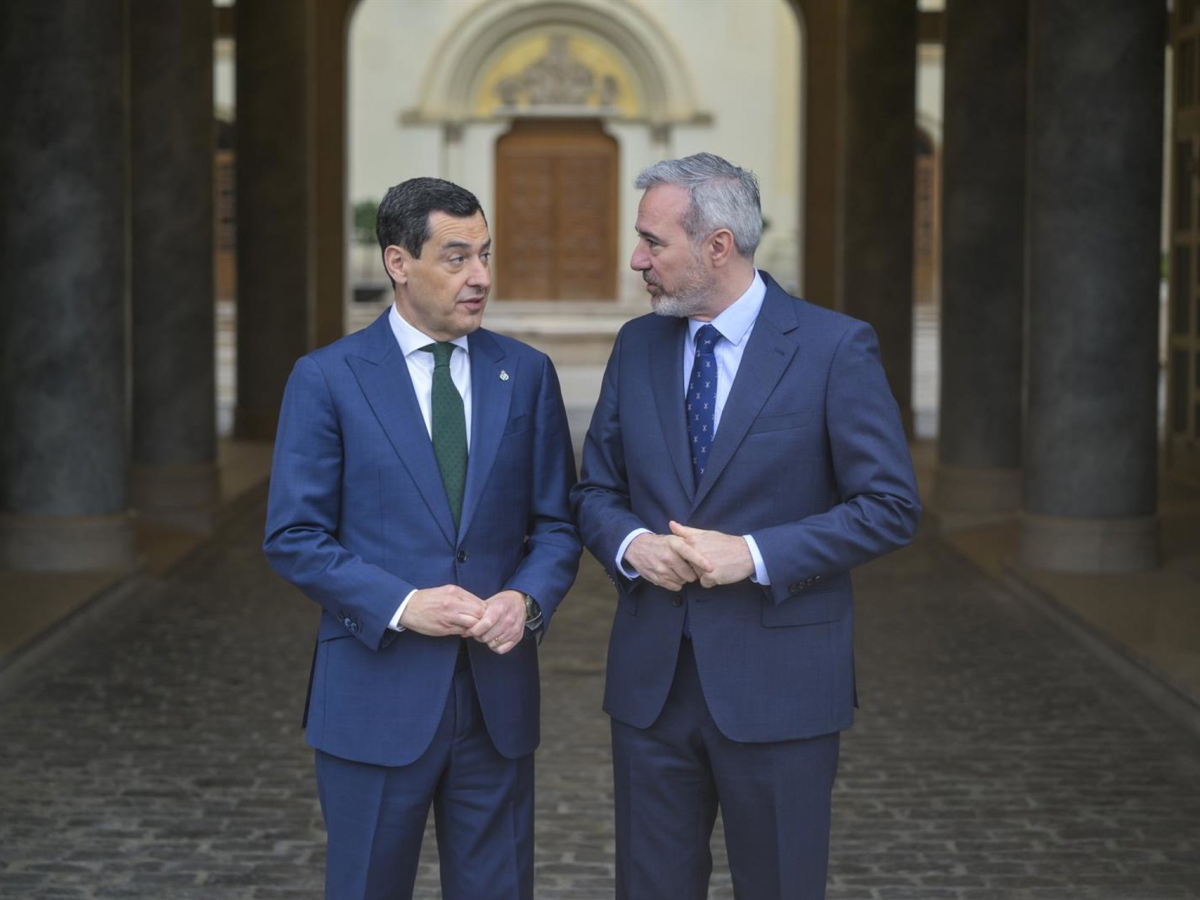
Far from the media spotlight that the European Commission, the Council, or the European Parliament concentrate on, the Committee of the Regions has become in recent years a strategic space for European regional and local leaders. Although its legislative capacity is limited and its opinions are not binding, the body represents the main institutional platform from which regions, autonomies, and municipalities try to influence the development of European policies that end up directly affecting millions of citizens.
Presiding over the Committee of the Regions means, in practice, becoming the political voice of more than one million regional and local representatives from across the European Union. The position involves coordinating territorial positions in fundamental debates on cohesion, agriculture, ecological transition, housing, employment, transport, or industrial policy. It also entails permanent dialogue with the European Commission, the Parliament, and the Council, in addition to institutionally representing European regions in international forums and multilateral negotiations.
🇪🇺 Juanma Moreno Bonilla, co-president of the European Committee of the Regions: “We receive with deep gratitude and pride the announcement of the jury of the #EuropeanCarlosVAward. A recognition that reinforces our commitment to a #Europe that is fairer, closer, and stronger.” pic.twitter.com/45qdgT51Ij
— Fundación Yuste (@fundacionyuste) April 8, 2026
In political terms, the presidency grants the capacity to set the agenda, order priorities, and exert pressure on European legislative files. At a time when Brussels is increasingly concentrating decisions linked to energy transition, agricultural policy, or the management of European funds, the figure of the Committee's president acquires growing relevance within the European institutional balance.
Exporting the "Andalusian Way"
At the European level, Moreno has on numerous occasions shown himself to be in favor of exporting his autonomous political model to the community capital. “To face current challenges, we need a cohesive, stable Europe with very well-defined objectives. A Europe that walks the path of moderation and consensus,” he expressed after the agreement to take up the position was reached.
That discourse fits with the predominant political dynamic in Brussels, where major agreements between political families continue to be indispensable for unblocking key files. In the Committee of the Regions, furthermore, territorial alliances usually prevail over traditional ideological borders.
Thus, the European body has become a stage for agreements that would be difficult to imagine in Spanish politics. In March, during the debate on the redesign of the European water strategy, Moreno and the president of Castilla-La Mancha, Emiliano García-Page, joined efforts to strengthen the voice of their territories “in the community institutions”.
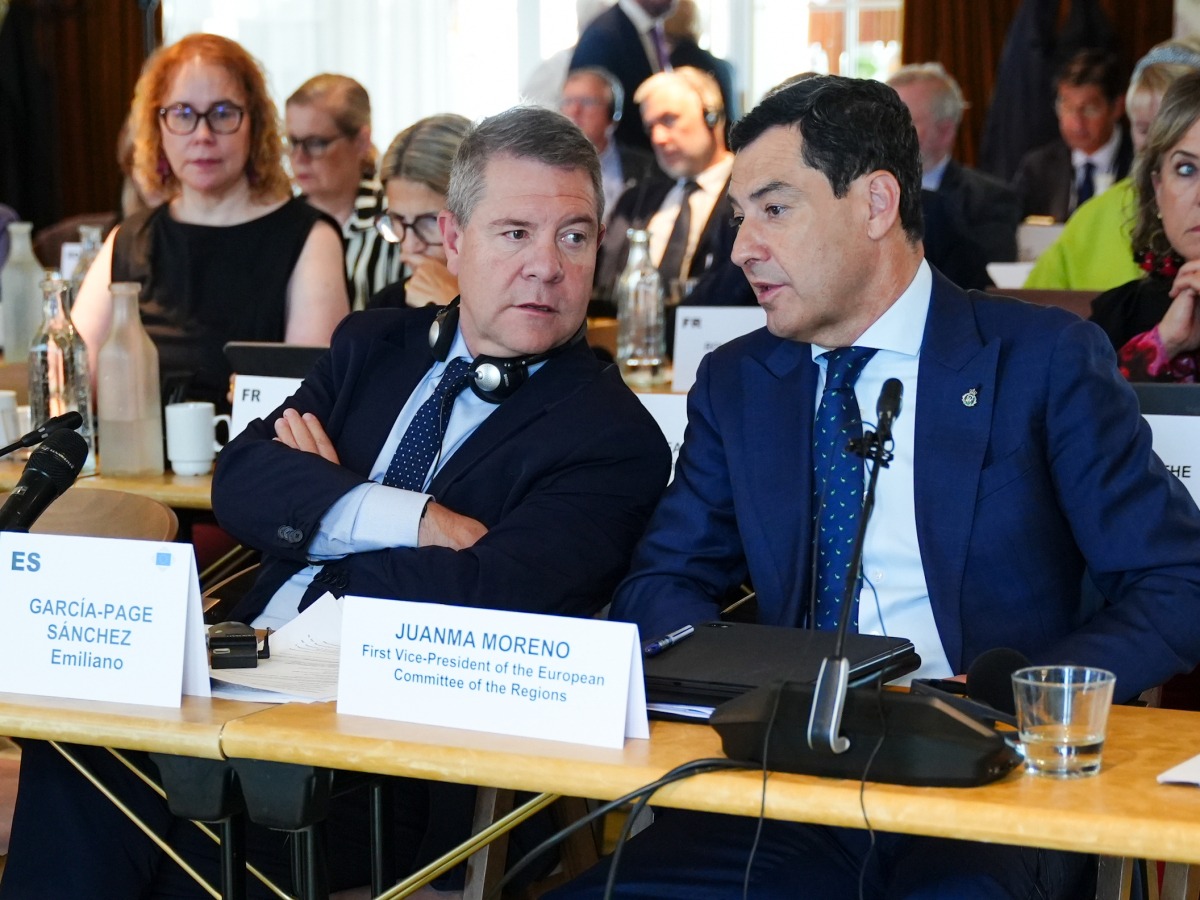
The Andalusian leader defined the management of water resources as a matter of security and territorial cohesion that "will only be effective if it is designed from the regions and cities." For his part, García-Page ironically stated that "the abuse of water today" will end up meaning "thirst for tomorrow."
This territorial consensus also extended to leaders of different political leanings, such as the Navarrese president, María Chivite, and the Murcian president, Fernando López Miras, both in favor of modernizing infrastructures "to ensure the success of European regulations."
The role of regions in Brussels
As of today, Spain has twenty-one members in the Committee of the Regions, of which seventeen represent the autonomous communities and four represent local entities. All members of the body must mandatorily have a regional or municipal electoral mandate, which reinforces the territorial nature of the institution.
Its function is formally limited to issuing mandatory opinions on policies with territorial impact, such as cohesion, environment, employment, or health. However, in practice, the body is designed so that these territories are capable of channeling sectoral and territorial priorities towards European institutions.
Featured story
Autonomous diplomacy in the EU: how communities influence European politics
5 minutes
All regions aspire—although their positions are not binding—to influence the drafting of directives, regulations, and community programs. The objective is to intervene in the preliminary phase of regulatory design and prevent Brussels from legislating behind the territory's back.
Sources from different regional delegations acknowledge to *Demócrata* their ambition to gain political weight in European discussions, an area in which regions have traditionally been relegated to a second or even third institutional level.
The European territorial paradox
In the background, a paradox emerges that has been hovering over the community debate for years. Although regions lack direct legislative initiative within the European framework, it is precisely they who are responsible for executing a large part of the decisions adopted in Brussels.
In Spain, due to the autonomous model and the distribution of powers, the communities are responsible for applying a substantial part of European regulations. From agriculture to housing, through transport, education, or the environment, a large part of community directives end up landing on regional and local administrations.
Hence, numerous territorial leaders defend the need to actively participate in the design of European policies to “ensure that they are applicable and fundable in each city and region”.
The big debate: the future European budget
Beyond sectoral debates, the big elephant in the room at the Committee of the Regions is the next Multiannual Financial Framework, that is, the long-term European budget that will define the distribution of community resources for the coming years.
In the European Parliament, there is practically unanimous rejection of the possibility of merging European policies into a single national plan per Member State. This was reflected in the document approved during the last plenary session, in which the Eurochamber set its negotiating position.
Parliamentary sources warn that this model would generate uncertainty for final beneficiaries and would put at risk historical pillars of European construction such as territorial cohesion, social rights, or the Common Agricultural Policy (CAP), which are especially relevant for many Spanish regions.
The Andalusian government has requested to maintain the cohesion policy and preserve the central role of the regions within the new community budget. For this reason, it would have requested Brussels to reprogram the funds from the Recovery and Resilience Facility (RRF) to allocate them to mitigate the damage caused by recent storms.
The Andalusian offensive in Brussels
From the Committee of the Regions to international forums and public statements, Moreno Bonilla's Executive has intensified its presence in Brussels in recent years. The strategy involves strengthening Andalusia's political influence in those community decisions that directly affect the territory.
The signature of the Andalusian government appears in a document sent to the cabinet of the President of the European Commission, Ursula von der Leyen, in which several European regions defended maintaining the weight of the Common Agricultural Policy and cohesion policies.
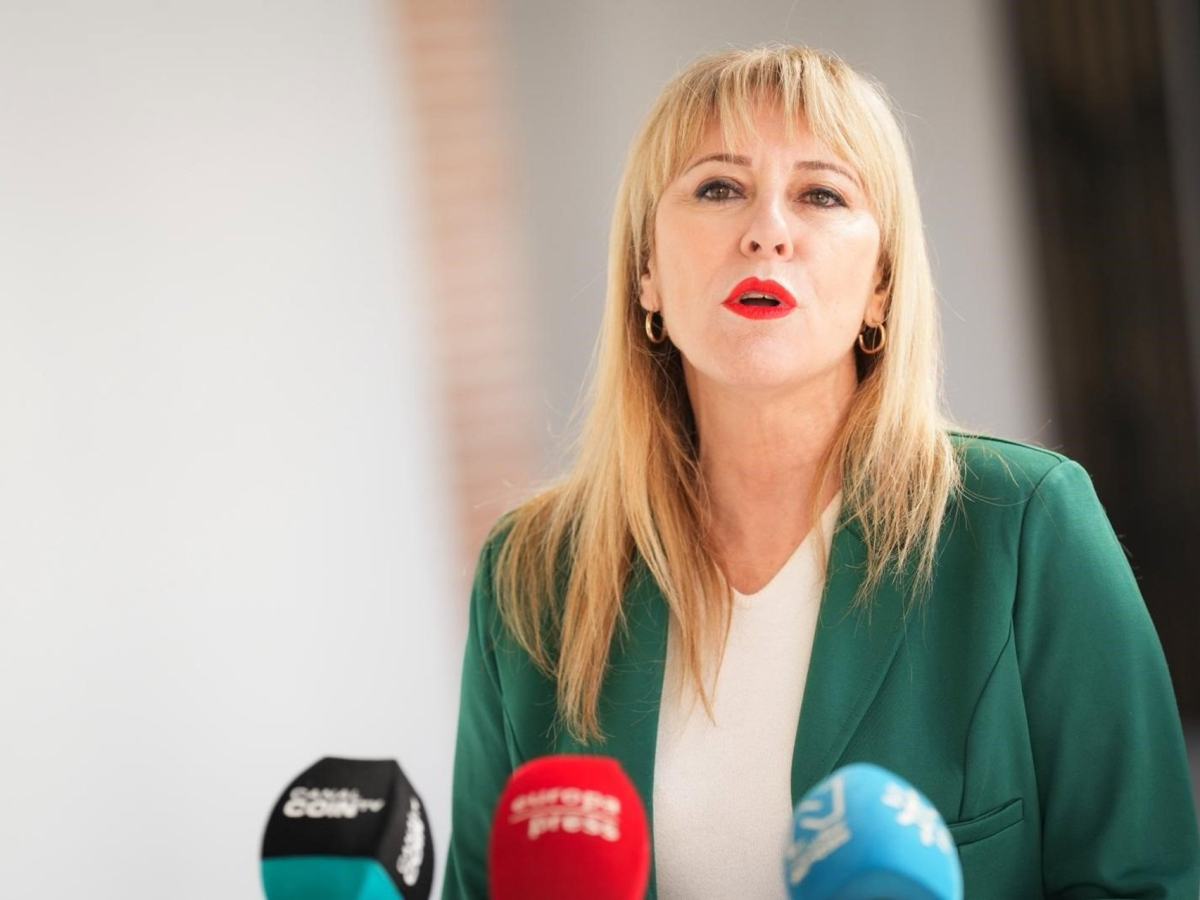
A position shared also by other Spanish autonomous communities, as was reflected in the well-known declaration of Galicia, jointly agreed upon by the regional governments to defend their common interests in the European budgetary debate.
“Cohesion policy remains key for European convergence, it is a success story and the best example of management close to the territory; we cannot accept that the new model sidelines the regions and leaves them as mere implementers,” stated in March the spokesperson for the Andalusian Government, Carolina España.
Moreno seems to have understood that the presence of the Junta in European conversations is no longer solely an institutional matter, but a tool for political and economic influence. Because many of the decisions negotiated in Brussels —from agricultural funds to energy transition or housing— end up directly impacting the daily lives of millions of citizens.