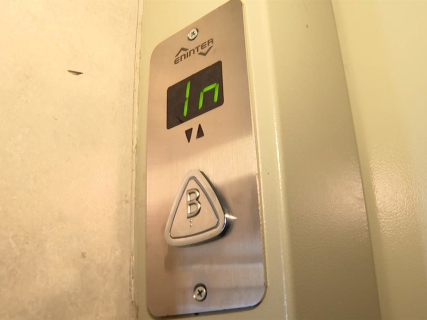

Installing an elevator in a building that does not have one can involve a significant investment for a homeowners’ community. To facilitate these actions, the Plan Estatal de Vivienda 2026-2030 includes grants aimed at improving the accessibility of residential buildings, including the installation of elevators.
The regulations provide for a subsidy of up to 70% of the cost of the action, a percentage that can be increased to 80% when a person over 65 years of age or with a recognized disability equal to or greater than 33% resides in the building.
However, this percentage does not mean automatic help for any installation. The subsidy is part of the comprehensive building rehabilitation program and is subject to a series of technical and administrative requirements. In addition, management corresponds to the autonomous communities, which must publish the corresponding calls.
What does the grant cover for installing an elevator?
Royal Decree 326/2026, which regulates the Plan Estatal de Vivienda 2026-2030, expressly includes the installation of elevators among the eligible actions in terms of accessibility.
The grant can also finance other interventions intended to facilitate mobility and residents’ autonomy, such as:
-
Installation of stairlifts and ramps.
-
Automations for opening doors.
-
Adaptation of the building’s access and control elements.
-
Installation of communication and warning systems in elevators.
-
Improvements in the safety and accessibility of the cabins.
-
Other actions that promote the universal accessibility of the property.
The maximum amount for accessibility actions is 13,000 euros per home, in addition to 145 euros per square meter of built area of commercial premises or other compatible uses on the ground floor, provided that they participate in the costs of the action.
This limit can increase up to 18,000 euros per home if a person with a recognized disability of at least 33% or over 65 years of age lives in the building. It can also reach 20,500 euros when a person with a disability equal to or greater than 65% resides there.
What buildings can apply for the grant?
One of the important aspects is that these grants are part of a comprehensive rehabilitation program. Therefore, it is not enough for a homeowners’ community to want to install an elevator in order to be able to access state funding.
The State Plan sets out several requirements for the properties:
-
Antiquity: the building must be completed before 2006, although the autonomous communities may admit exceptions.
-
Technical project: the works must include an action project or, when it is not necessary, a technical report that justifies their compliance with the regulations.
-
Book of the Existing Building: this document must be incorporated for the rehabilitation.
-
Agreement of the community: in collective residential buildings, the actions must have the agreement of the owners’ community, except in the cases of a single owner.
-
Comprehensive rehabilitation: the project must include the actions that correspond in matters of safety, accessibility, habitability, and sustainability, and must include an accredited improvement in energy efficiency.
Therefore, the installation of an elevator may form part of the subsidized works, but it must fit into the rehabilitation project required by the program.
Where can the grants be requested?
Although the percentage and the general criteria are set out in state regulations, applications are not submitted directly to the Ministry of Housing.
Article 100 of Royal Decree 326/2026 establishes that access to these grants will be carried out through public calls by the autonomous communities and the cities of Ceuta and Melilla.
This means that each territorial administration must specify the deadlines, the documentation, the procedures, and the access conditions. For this reason, before starting the works or having any possible financing, the owners’ communities must consult the applicable call in their territory.
The publication of the State Plan does not imply that all autonomous communities already have the application period open. It is necessary to check that an active call exists and that the elevator installation project meets the specific conditions that are established.
When is the money received?
The payment of the grant is, in general, made once the action has been completed and the documentation that proves its execution has been submitted.
However, the autonomous communities may allow advances or payments on account. For this, the beneficiary community must previously provide the necessary municipal license or authorization and the certificate of start of the works signed by the lead architect.
In short, the grants can cover an important part of the cost of installing a lift, but the possibility of accessing them depends both on the characteristics of the building and on the call for applications that each regional administration publishes.