
The circulation of Rodalies remains severely affected this Wednesday, October 7, in Catalonia due to the combination of the damage caused by the storm and the strike of the train drivers, who are not guaranteeing the recovery of the service in the affected sections. Renfe recommends travelers to seek alternative means of transportation while the situation is resolved.
The conflict arises when Adif continues with the work to adapt the infrastructure damaged by the rains. As the tracks are recovered, exploratory runs are made with empty trains to check that the conditions allow for safe circulation, but the train drivers demand additional guarantees before resuming service with passengers.
For this reason, travelers who need to move today through Catalonia have to resort, depending on the route, to replacement buses, Ferrocarrils de la Generalitat de Catalunya (FGC), metro, and other public transport services.
Buses to replace the Rodalies trains
- On the R1, trains run between L'Hospitalet de Llobregat and Arenys de Mar. The section between Arenys de Mar and Maçanet-Massanes has alternative road transport.
- The R2 North maintains rail service between Granollers Centre and the airport, while the route between Granollers Centre and Sant Celoni is covered by bus.
- On the R2 South, the section between Sant Vicenç de Calders and Vilanova i la Geltrú remains without service, although trains do run between Vilanova and Barcelona Estació de França.
- On the R3, there are trains between La Garriga and Ripoll and alternative road transport between Ripoll and Puigcerdà.
- On the R4, trains run between Sant Vicenç de Calders and Barcelona Sants, while the section between Manresa and Terrassa Estació del Nord is done by road. Rodalies also points out as alternatives the urban buses of Terrassa and Sabadell and the FGC services to Barcelona.
- The R7 does not have rail service and Rodalies recommends using the express bus line e3 between Barcelona, Cerdanyola, and the Universitat Autònoma de Barcelona.
- The R8 has alternative road transport throughout its route.
- On the R11 and RG1 lines, buses have been established between Portbou, Figueres, and Sils, while the journey between Girona and Sant Andreu is covered by a direct road service.
- On the R13 and R14 lines, trains do run between Lleida-Pirineus and Les Borges Blanques. For the remaining affected sections, alternative road services have been set up.
- The RT1 operates by buses throughout its route and the R17 and RT2 have road transport between Tarragona and Salou-Port Aventura.
FGC and metro as alternatives
Travelers in the Barcelona area can also turn to FGC. The network of Ferrocarrils de la Generalitat de Catalunya constitutes a particularly relevant alternative for trips that coincide with the affected Rodalies corridors.
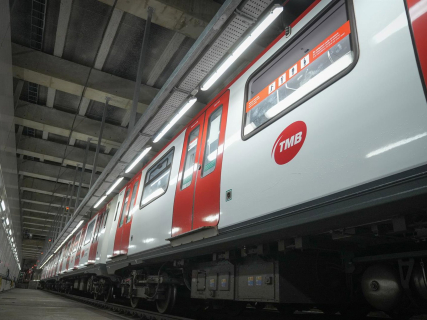
In Barcelona, the metro and the buses of Transports Metropolitans de Barcelona allow covering part of the urban trips that users of Rodalies usually make. TMB has updated information on the status of its network and tools to plan trips.
The recommendation of Renfe is to check the status of the service before starting the trip and to use the available alternative means while the disruptions persist. The recovery of railway circulation will depend both on the completion of the track adaptation works and on whether the train drivers consider that there are the necessary guarantees to operate normally again.