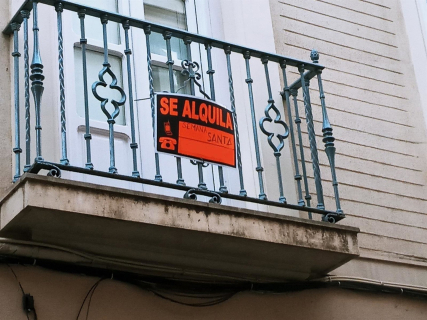

One of the most frequent doubts among owners and tenants is when a rented home can be recovered. Although many people believe that the owner can terminate the lease whenever they wish, the Urban Leasing Law (LAU) limits that possibility and only allows it in certain cases.
Knowing these causes is essential to avoid conflicts and to know what the rights and obligations of both parties are.
The minimum duration of the contract protects the tenant
Spanish legislation establishes that the owner cannot recover the home unilaterally during the minimum duration of the contract, unless there is a legal cause that justifies it.
Currently, rental contracts for habitual residences have a minimum duration of five years when the landlord is a natural person and seven years when the owner is a legal entity. During that period, the contract is automatically extended for the landlord, as long as the tenant fulfills their obligations.
This means that the owner cannot demand that the tenant leave the home simply because they want to sell it, rent it for a higher price, or change plans.
Recovering the home due to the owner's need
The main exception provided by the Urban Leasing Law is the need to occupy the home.
The owner can recover the property if they need to allocate it to their habitual residence, that of their children, their parents, or their spouse in case of separation, divorce, or annulment of marriage.
However, the law requires that several requirements be met. First, at least one year must have passed since the signing of the contract. Additionally, the owner must communicate this circumstance to the tenant with a minimum of two months' notice, explaining the reason why they need to recover the home.
The need must be real and effective. If the owner recovers the property and ultimately does not occupy it within three months, the former tenant can request to return to the home maintaining the contract or claim compensation for the damages suffered.
The owner can also recover the home when the contract ends
Once the legal minimum duration and the corresponding extensions have passed, the owner can decide not to renew the lease.
For this, you must respect the notice periods established by law. Currently, the landlord must communicate their decision with four months in advance, while the tenant has a period of two months if it is they who wish to terminate the contract.
If the owner does not communicate their decision within the legal deadline, the contract may continue through the extensions provided for in the regulations.
The non-payment of rent allows for eviction proceedings
Another of the most common reasons to recover a rented property is the breach of contract by the tenant, especially when they stop paying the rent.
In these cases, the owner can file a lawsuit for eviction due to non-payment, although they cannot evict the tenant by their own means.
The law prohibits actions such as changing the lock, cutting off the water, electricity, or gas supply, or preventing access to the property, as only a judge can order the eviction of the tenant.
Other breaches that allow for contract termination
In addition to non-payment, the Urban Leasing Law includes other situations that may justify the termination of the contract.
These include unauthorized subletting, carrying out works without permission, engaging in annoying, dangerous, or illegal activities, as well as serious damage caused to the property or any other relevant breach of the obligations assumed by the tenant.
In most of these cases, it will also be necessary to go to the courts to legally recover the property.
Can the owner recover the property because they want to sell it?
The answer is no. The fact of selling the property does not extinguish the rental contract.
The buyer must generally respect the rights of the tenant and assume the position of the previous owner while the contract remains in force.
Therefore, selling the property does not allow for the eviction of the tenant before the time.
They also cannot recover it to raise the rent
Another very common question is whether the owner can terminate the contract because they wish to rent the property at a higher price.
The answer is also negative. The law does not consider this circumstance as a valid reason to terminate a rental contract before its legal duration ends.
Only when the contract expires and the corresponding extensions can they offer the property again under the economic conditions they deem appropriate.
The tenant's home is protected by law
As long as the contract remains in force, the housing constitutes the tenant's home.
For that reason, the owner cannot enter the home without authorization, except in exceptional cases legally provided for or by judicial resolution.
This protection derives from the fundamental right to the inviolability of the home recognized by the Constitution.
Recovering a home and eviction are not the same
Although they are often confused, both concepts have a different legal meaning.
The recovery of the home by necessity allows the owner to reoccupy the property in the cases provided for by the Urban Leasing Law.
The eviction, on the other hand, is a judicial procedure aimed at resolving the contract when the tenant fails to meet their obligations, as occurs in cases of non-payment of rent.
Knowing this difference is essential to avoid mistakes and understand what rights are held by both owners and tenants in each situation.