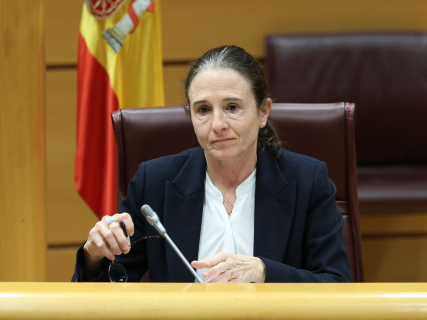

The controversy over the dismissal of the head of communication of the National Security Department (NSD) has placed a little-known agency outside of the Administration under the spotlight. The PP has requested that the director of the Cabinet of the Presidency appear in Congress to explain whether the dismissal was related to an alert published about the Ceuta crisis, a connection that corresponds to the version of the popular party and that the Executive will have to clarify.
But what exactly is the NSD? Does it depend on the Ministry of the Interior? Does it have its own agents? Can it declare an emergency? These are its functions and its limits.
What is the NSD?
It is the body responsible for advising the President of the Government on matters of National Security and providing technical support in the face of risks, threats, and crisis situations.
It is part of the Cabinet of the Presidency of the Government and its head has the rank of general director. According to the current structure of La Moncloa, it directly depends on the Deputy Directorate of the President's Cabinet.
Therefore, it is not a ministry or an independent agency. It is integrated into the structure of the Presidency and works directly to provide information, analysis, and coordination to the head of the Executive.

What functions does the National Security Department have?
The regulations assign it:
- To carry out early warning and monitoring of risks, threats, and crises.
- To keep the Department's Situation Center operational.
- To integrate information from ministries, autonomous communities, and other agencies.
- To advise the President of the Government on matters of National Security.
- To coordinate the preparation of plans and resources to face crises.
- To manage the special communications of the Presidency.
- To promote the permanent coordination of the National Security System.
- To analyze risks associated with new technologies.
- To promote culture and resilience in matters of security.
It also acts as Technical Secretariat and permanent working body of the National Security Council, responsible for assisting the president in directing this public policy.
What is the NSD Situation Center?
The Situation Center is the structure from which the monitoring of events likely to affect National Security is carried out.
Its function consists of receiving, integrating, and analyzing information, maintaining the necessary communications, and providing the Government with an updated view of the situation. It can work on migration crises, cyberattacks, terrorist threats, energy emergencies, international conflicts, or events that affect essential infrastructures.
When a complex crisis occurs, the DSN can support the creation of a coordination cell with representatives from the ministries and agencies involved. It also serves as a point of contact with the political-strategic mechanisms for crisis management of the European Union and of the NATO, within the limits of its competencies.
What relationship does it have with the National Security Council?
The National Security Council is a Delegated Commission of the Government presided over by the president of the Executive. It includes various ministers and public officials depending on the matters discussed.
The DSN prepares its meetings, drafts documentation, follows up on agreements, and acts as a permanent support body. It also provides assistance to specialized committees on matters such as:
- Cybersecurity.
- Maritime security.
- Immigration.
- Energy security.
- Aerospace security.
- Organized crime.
- Crisis management.
- Non-proliferation of weapons.
The DSN works permanently; the Council makes the political and strategic decisions that correspond to it.
What role could it have in a crisis like that of Ceuta?
In the face of a border crisis, the DSN could:
- Receive information from Interior, Defense, Foreign Affairs, and territorial authorities.
- Analyze the evolution of entries and their risks.
- Issue early warnings.
- Facilitate information to the president of the Government.
- Support coordination between departments.
- Prepare meetings of the National Security Council.
- Maintain the link with European crisis response mechanisms.
However, decisions on police reinforcements, military deployments, border controls, reception, or returns correspond to the competent authorities, not to the National Security Department.
The DSN functions, ultimately, as the eyes, the center of analysis, and the coordination structure of Moncloa in the face of major threats, but not as the body responsible for directly executing the response.