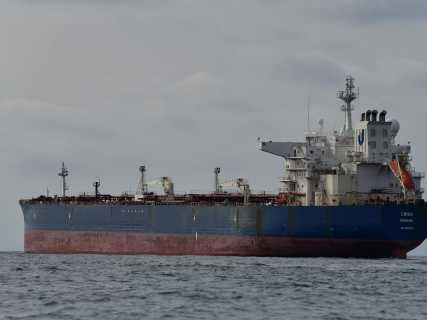

The International Energy Agency (IEA) considers that the global oil market is starting to show “slight signs” of stabilization in November, after global supply had been above demand for the first time since the outbreak of the war in Iran, as detailed in its November monthly report on the oil market.
As for supply, crude production increased by three million barrels per day (mb/d) in September and added another 2.3 mb/d thereafter, reaching 105.4 mb/d in October. This advance is explained by strong exports from the Persian Gulf, despite the ongoing attacks on energy infrastructure and vessels in the region.
On the demand side, the IEA projects a decline of 2.7 mb/d for 2026, which would place consumption at 102.3 million barrels per day by the end of that year. However, the agency expects a further increase of two mb/d in 2027, which would again change the balance between supply and demand.
With these projections on the table, the agency anticipates that the international oil market will return to a surplus scenario in the fourth quarter of 2026, with an even larger surplus during 2027.
“As always, downside risks persist to the forecast, since attacks on maritime transport undermine maritime security, which is fundamental for a sustained recovery,” specifies the document published by the International Energy Agency.
At the same time, monitored oil reserves increased by 52 million barrels (1.7 mb/d) during October, the first rise since June, driven by a rebound of 86 million barrels in maritime inventories, which stand at their highest level since January.
By contrast, stocks stored on land continued to decline and remain at their lowest level, at least, since 2016. In the context of the Organisation for Economic Co-operation and Development (OECD), inventories fell by 47 million barrels, while global reserves accumulate a decline of 462 million since the beginning of the conflict.
At the same time, the IEA emphasizes that the lack of supply, especially of diesel, remains the main focus of concern for operators. Attacks on Russian energy infrastructure continue to affect its exports of this fuel, which intensifies supply losses in the Middle East.
"It should be noted that the accelerated release of the AIE’s emergency diesel reserves in the coming months will provide fundamental support to overcome the shortage of supply until the global refining system and the production of products are restored," the text reads.