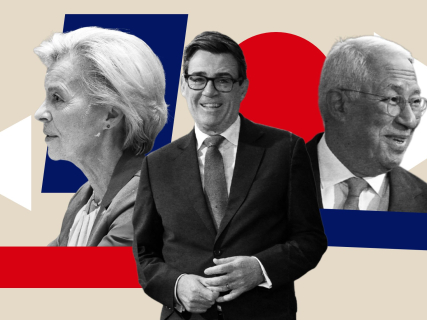

There are songs that inevitably remind you of someone. Of that past time that was always better. The first chords come accompanied by a wave of nostalgia. That ex you know you will take time to get over, if you do. "What could have been and what, instead, ended up being." The European Union also has its own. It doesn’t need to find it in a bar. Ten years after its breakup, "God Save the King" has sounded again within the bosom of the community institutions. Brussels has put the kettle back on.
As in so many divorces, the European Union and the United Kingdom know that they are called upon to understand each other. "We get along despite everything." Neither speaks for the moment of "trying again," but both begin to take for granted the need to cooperate in certain key aspects for the economy and productivity. The British Government of Andy Burnham has picked up the baton from its predecessor in the European turn, with the criticism that that has sparked in the House of Commons, to straighten the matter out about a Brexit that is convincing fewer and fewer of its former supporters. For its part, Brussels, aware of the need to broaden its horizons and in view of the magnitude of the competitive, security and energy challenges it faces, has opted to redouble its alliances.
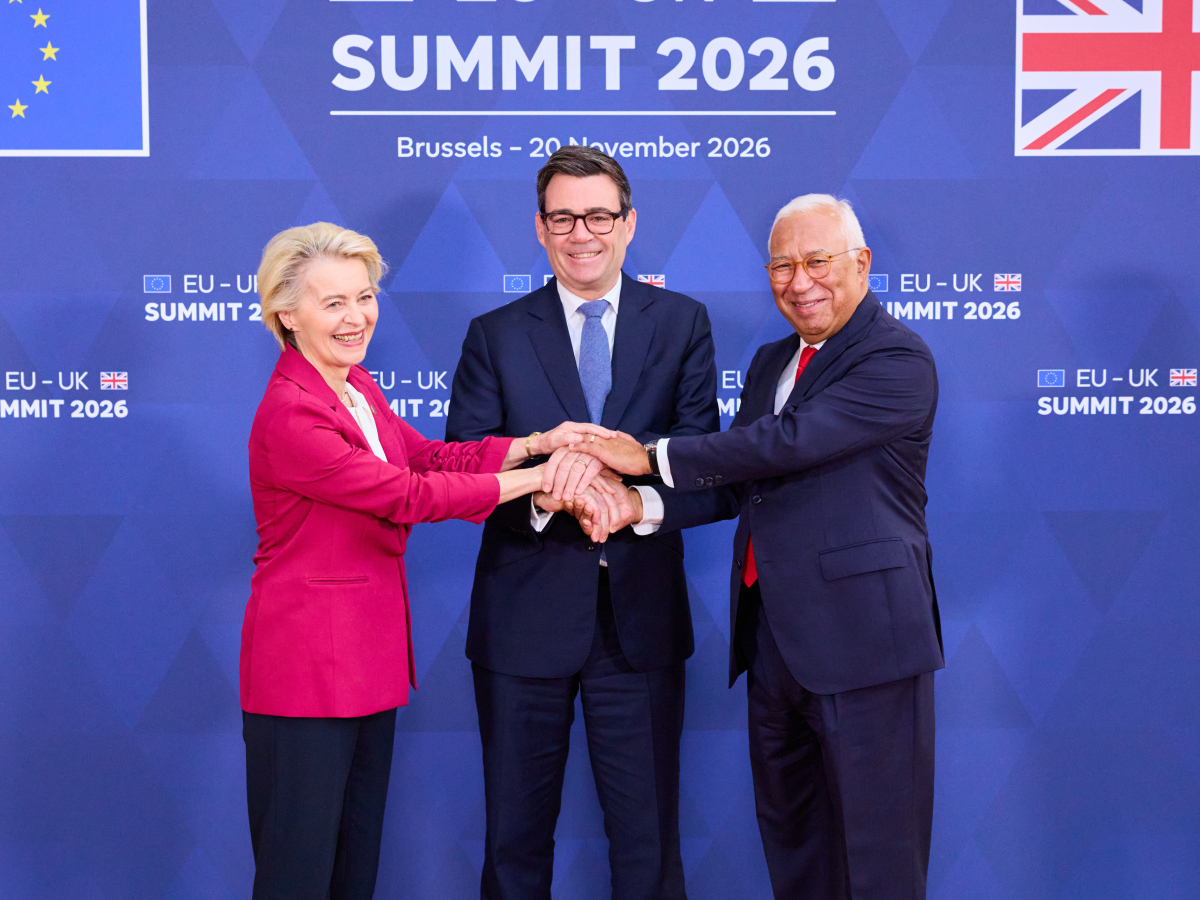
The President of the European Commission, Ursula von der Leyen, and the President of the European Council, António Costa, acted as hosts this Friday at the second summit between both powers. From "we have to talk" came three major agreements between Europeans and Britons, although not all loose ends have been resolved. The main one remains the issue of university fees, with the aim that European students can access national tuition fees instead of facing the prices that currently apply to international students. The dialogue between the parties has indeed borne fruit. At the end of the meeting, and with Brussels rain baptizing the rapprochement, the negotiators made known the agreements on youth mobility, health and phytosanitary measures, and the linkage of the respective systems for trading emissions allowances.
Young people, the first to cross the Channel again
It happens often in divorces. One of the commitments considered fundamental is the one relating to education. In this new stage of post-Brexit rapprochement, negotiations have been concluded on a plan that will allow up to 100,000 young people from the United Kingdom and the EU to live outside their borders for a period of up to three years to work, study, do volunteering, or travel. A kind of second chance for a generation that grew up with much more open borders and that ended up paying the consequences of the breakup.
As in so many other community negotiations, one of the keys is the timetable. Implementation is scheduled, at the latest, for 2028, with the aim of achieving its full rollout in 2030. It will therefore not be an immediate reconciliation, but it is a first step toward recovering some of the opportunities that disappeared with the British exit from the single market and from European programs.
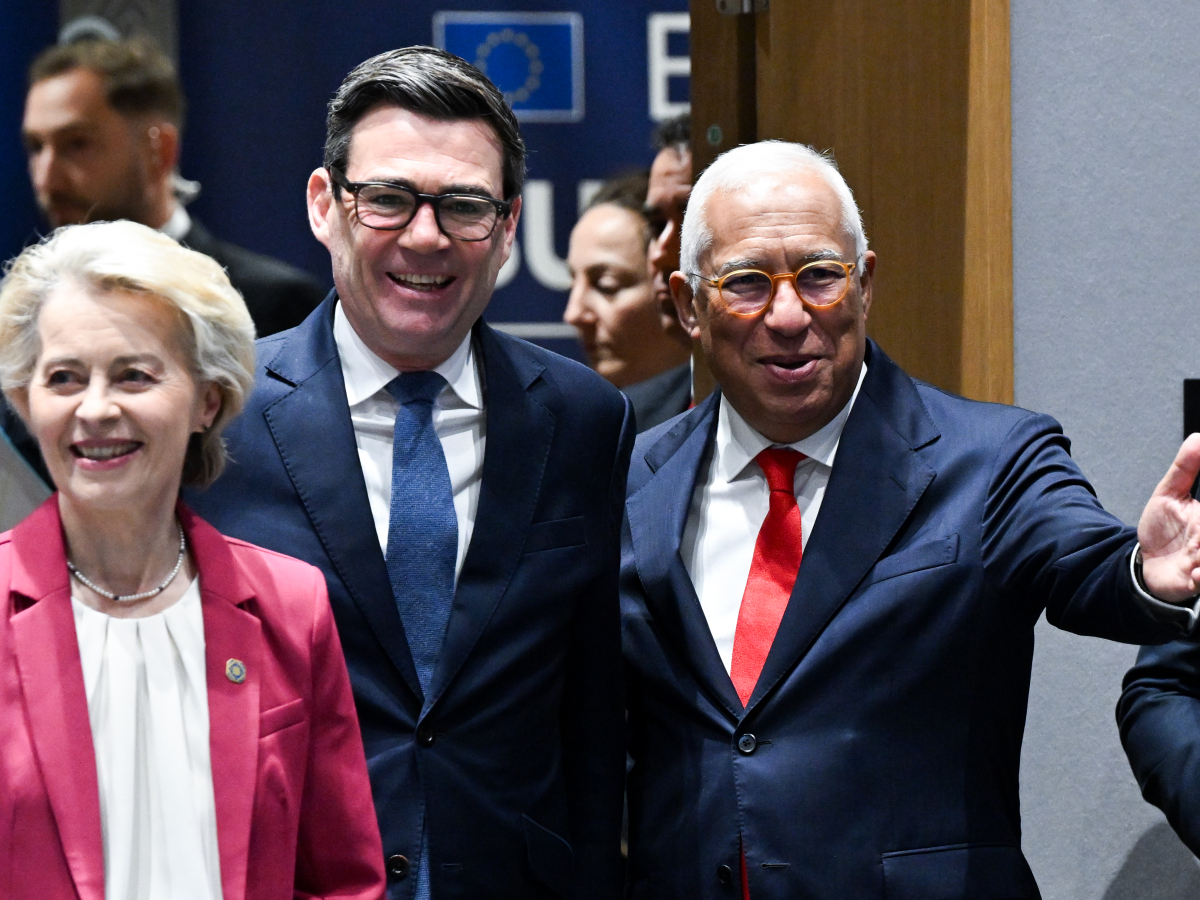
However, in this round, what has threatened to derail the talks has precisely been money. "Honey, with you it's impossible." University fees have become entrenched on the negotiating table of the community capital. The matter has finally been put on hold, although with the commitment to sit down again to talk. The parties have agreed to discuss within six months a complementary agreement to align access for community and British students to the universities of both territories. Youth mobility already has a roadmap, but the university bill remains pending to be split.
From the single market to the negotiating table
On the commercial front, the big winner of the rapprochement is the health and phytosanitary sector. The parties have agreed to create a common area that will remove barriers for plant and animal products between both powers, also as of 2028. The goal is to simplify trade exchanges, reduce checks, and make it easier for agri-food products to circulate again with fewer obstacles between both sides of the English Channel.
It has also been agreed to link the emissions trading systems that same year. A decision with direct consequences for exporting companies, as it will allow both sides’ products to be exempted from their respective carbon border adjustment mechanisms (CBAM). The measure seeks to prevent trade exchanges from being subject to additional burdens stemming from the application of different climate systems and to bring, once again, the regulatory frameworks of London and Brussels closer.
As the Community Executive has been doing in this type of agreements, it also includes a section relating to the creation of a digital partnership to promote cooperation in artificial intelligence, critical technologies and connectivity. The intention is to extend the rapprochement beyond traditional trade exchanges and recover areas for collaboration in strategic sectors for European competitiveness. In the air is the possible participation of the United Kingdom in the project "Made in Europe", which will introduce the European preference in public procurement processes to revitalize the Community industry.
"You measure distance in miles, I in kilometers. It’s possible we’ll drive on opposite sides of the road, but what matters is that we’re going in the same direction," Costa joked with his British counterpart. The president has confessed that he is following "with great interest" the debate about what some call "Brejoin". To get back into alliances, even though no one has yet dared to speak openly about a wedding. That said, he has wanted to make clear that Europeans "respect any decision the United Kingdom makes about the future of its long-term relationship with the European Union", despite assuring that "they will always be welcome in Brussels".
A Brexit that no longer convinces
For her part, Von der Leyen has wanted to put citizens at the center of the new alliance. “We want to give them new opportunities and greater confidence in the future,” the community leader has said, who claims to have “all the reasons to be ambitious about the future.” Burnham defended before the leaders of the Union that it was a “good day for Europe.” The British prime minister holds that citizens “can see” that the status quo left by Brexit “is not enough for Great Britain.” According to the most recent surveys, three out of four Britons say they are in favor of strengthening ties with the continent. A change in the political climate that contrasts with the enthusiasm that accompanied the break a decade ago and that now gives the Executive room to explore new avenues of cooperation with its former partners.
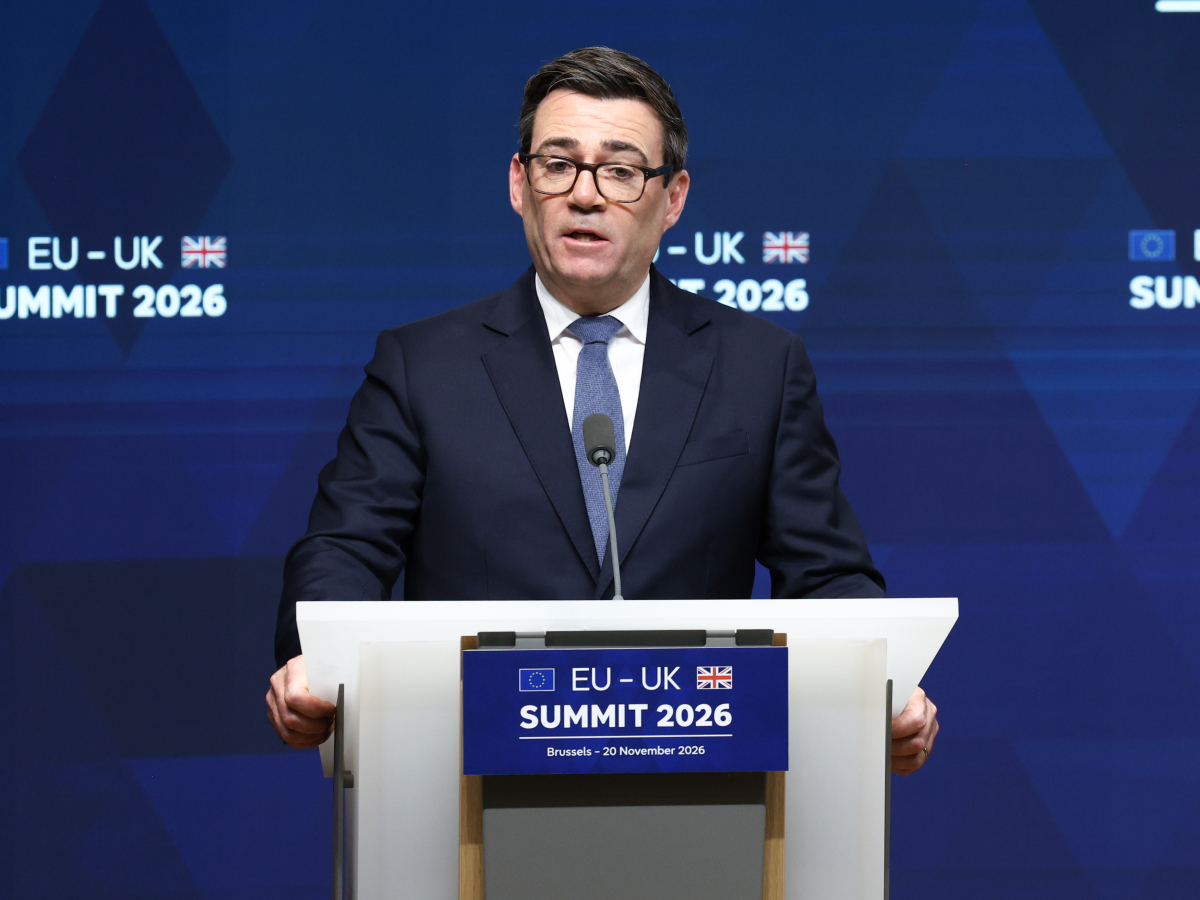
“For those who are worried about the cost of the weekly shop, this offer will be of great help to them,” she celebrated with the press. Burnham’s message seeks to bring the rapprochement to a much more everyday ground than that of major institutional agreements: the pocket of the citizens. Because, beyond diplomatic statements, reconciliation will also have to show that it serves to do more than improve the family photo.
An agreement which, as all parties maintain, “aims to improve opportunities in life.” Burnham has acknowledged that the last decade “has been difficult for a lot of people, especially for young Britons and young people in the EU.” “Brexit really did take opportunities away from our young people. It limited their horizons in life,” she sharply criticized from the epicenter of European institutions. An admission that would hardly have found much room in British political discourse from ten years ago.
Yes but no
In relationships, there is always someone willing to try again. The other, more skeptical, would also like it, but fears that everything will start flying apart in the air again. The reunion between both powers did not end the way some break-up reconciliations do, but with a menu at the expense of the president of the European Council. For the time being, the United Kingdom will try to process the deal in the House of Commons so that it can finally come into force, “rebuilding the bridges that were closed years ago.”
For its part, the Union has made its conditions clear. This is not only about "reconnecting with each other like old friends." The new stage requires fulfilling the agreements, including the issues still pending regarding university fees, ensuring their implementation, and respecting the decisions of its institutions. Brussels is willing to rebuild the relationship, but not to repeat the mistakes of the past. Ten years later, the United Kingdom is knocking on Europe's door again and the EU institutions have decided to open it. There is still a lot to negotiate, several bills to split up and plenty of disagreements to settle. But at least for one day, in Brussels the British anthem has sounded again. And someone has put the water to boil.