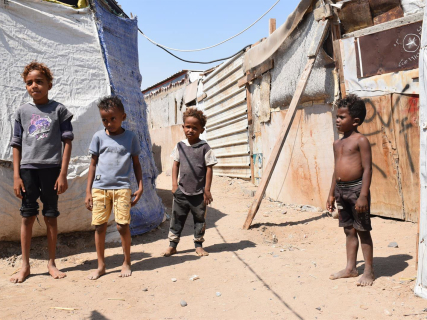

The International Organization for Migration (IOM) reported this Wednesday that the number of people forced to leave their homes in Yemen because of the armed conflict has surpassed the threshold of 300,000, which means 100,000 more than less than a month ago.
The UN agency links this sharp increase in internal displacements to the "escalation in the fighting" between the forces of the internationally recognized Government and the Houthi rebels, who maintain control of the north and center of the country, including the capital, Sana'a.
"Families are having trouble finding shelter and covering basic needs while humanitarian needs are skyrocketing," the IOM warned in a statement, underscoring the accelerated deterioration of the situation on the ground.
"After years of conflict, families in Yemen are forced to flee once again, often with little more than the clothes they are wearing," explained the head of the IOM mission in Yemen, Abdusattor Esoev. "They urgently need shelter, food, clean water and health care. If there is no more funding, thousands of families will be left without the help they so urgently need," the head of the mission warned, calling for a broader international response.
The war has also triggered an extreme rise in the cost of basic necessities. In places like Taiz, the prices of basic goods have increased fivefold, further aggravating the vulnerability of the population.
Only in October, more than 43,000 people have fled the district of Al Madaribá Wa al Aará, in the province of Lahj, the highest figure recorded so far in a single district since the start of the current escalation. Many of these displaced families are heading south to Aden, where more than 56,000 people are already being counted in a situation of displacement.
To respond to the emergency, the IOM has five mobile medical teams that provide assistance in four provinces: Marib, Lahj, Aden and two units in Taiz. In the last week alone, these teams have attended nearly a thousand consultations, according to the data released by the organization.
The agency acknowledges the "generous contributions" received so far, but insists that current funding is insufficient and estimates that it requires an additional 45 million dollars for the next six months in order to sustain and expand its humanitarian operations in the country.
IOM also urges all the opposing parties to respect and protect the civilian population and humanitarian personnel, and to guarantee unrestricted access to aid, especially in hard-to-reach areas such as Taiz, where needs remain critical.