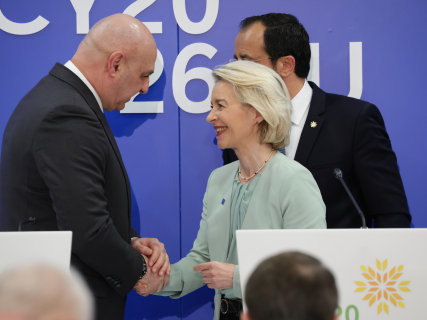

Cyprus is the European Union country closest to the Middle East. Barely a little over a hundred kilometers separate the community border from the region of Lebanon. Fate has willed it to be the setting where the leaders of the Twenty-Seven debate the political, but also economic, response to the war initiated by the United States and Iran, under the Cypriot presidency of the Council. Pressured to make a move on a board not yet fully dominated.
It was the first time that Nicosia hosted a summit of the Twenty-Seven in which, after two days of conclave and an extension of the ceasefire, they emerge with the demand for “free navigation” in the Strait of Hormuz that manages to calm the volatility suffered in recent days in the markets and on the geopolitical stage. This same Friday, the heads of government held a lunch with their counterparts from Lebanon, Syria, the Gulf Cooperation Council, Egypt, and Jordan.
Willing to collaborate
After the meeting, the host of the event, President Nikos Christodoulídis, stated that they have analyzed “where we can strengthen our cooperation with partners in the region for the benefit of our Union”, since, according to him, “the security and stability of the region are intertwined with the values of the European Union”. Cyprus wants to continue acting “as a bridge between Brussels and Middle Eastern partners”, beyond the geographical characteristic that unites them.
It has been the President of the European Council, António Costa, who has confirmed his welcome to the extension by the United States of the ceasefire with Iran, since among Europeans it is seen as a gesture aimed at deepening peace negotiations. “Any peace agreement must end Iran’s nuclear program”, has warned the head of the Community Executive, Ursula von der Leyen.
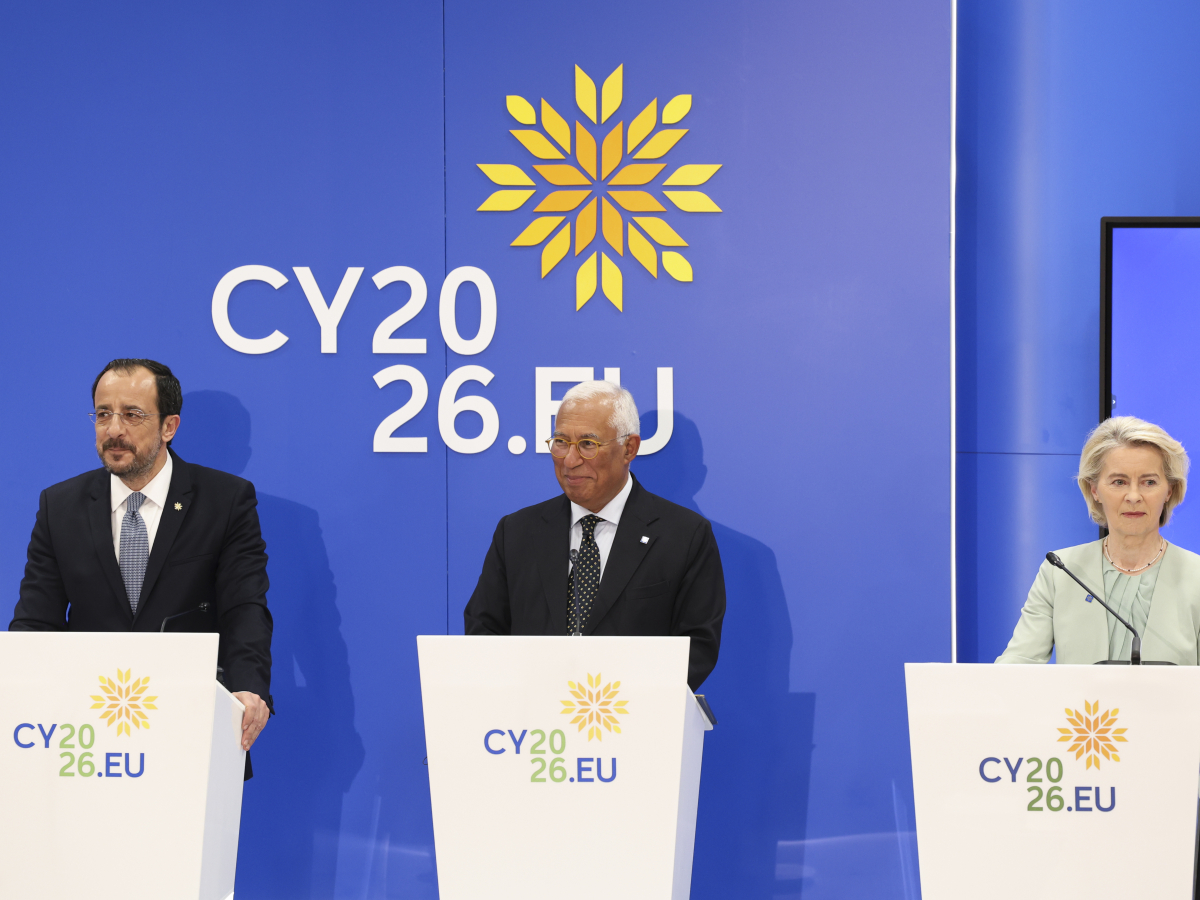
On the current geopolitical level, Europe wants to be something more than an ally in times of crisis with the countries on the other side of the Mediterranean: it wants to be a future partner. For this reason, the leaders have shown themselves willing to contribute “to all ongoing efforts”, from the nuclear issue to offering direct aid to restore the Gulf's energy infrastructure in order to stabilize global energy markets. For her part, Von der Leyen has called for deepening ties “in all areas, from defense and security to investments”.
The war for two trillion
Before the situation in the Middle East blew up all the Europeans' plans, in the offices of the EU capital it was planned that the Cypriot presidency would try to reach an agreement for the next Multiannual Financial Framework 2028-2034, the mother of all negotiations. On paper, the objective remains to reach an agreement during this summer; however, EU sources are lowering their optimism over time.
The truth is that, after having proposed it during previous councils, this has been the first time that the Member States have decided to start discussing their budget for the next seven years “seriously”. The Presidency of the Council maintained that it was important to open the conversation at this time in order to prepare the ground for the Cypriot delegation to present the first negotiation draft in June and before reaching an agreement by the end of the year.
Sources present at the discussions maintain that the need for new own resources has been "widely shared" by the heads of government, who have shown themselves open to continuing to work on the basis of the proposal of two trillion euros put forward by the European Commission. "Some leaders did not rule out considering additional options. There is a lot of work ahead on this issue, but the atmosphere was constructive", says a European official.
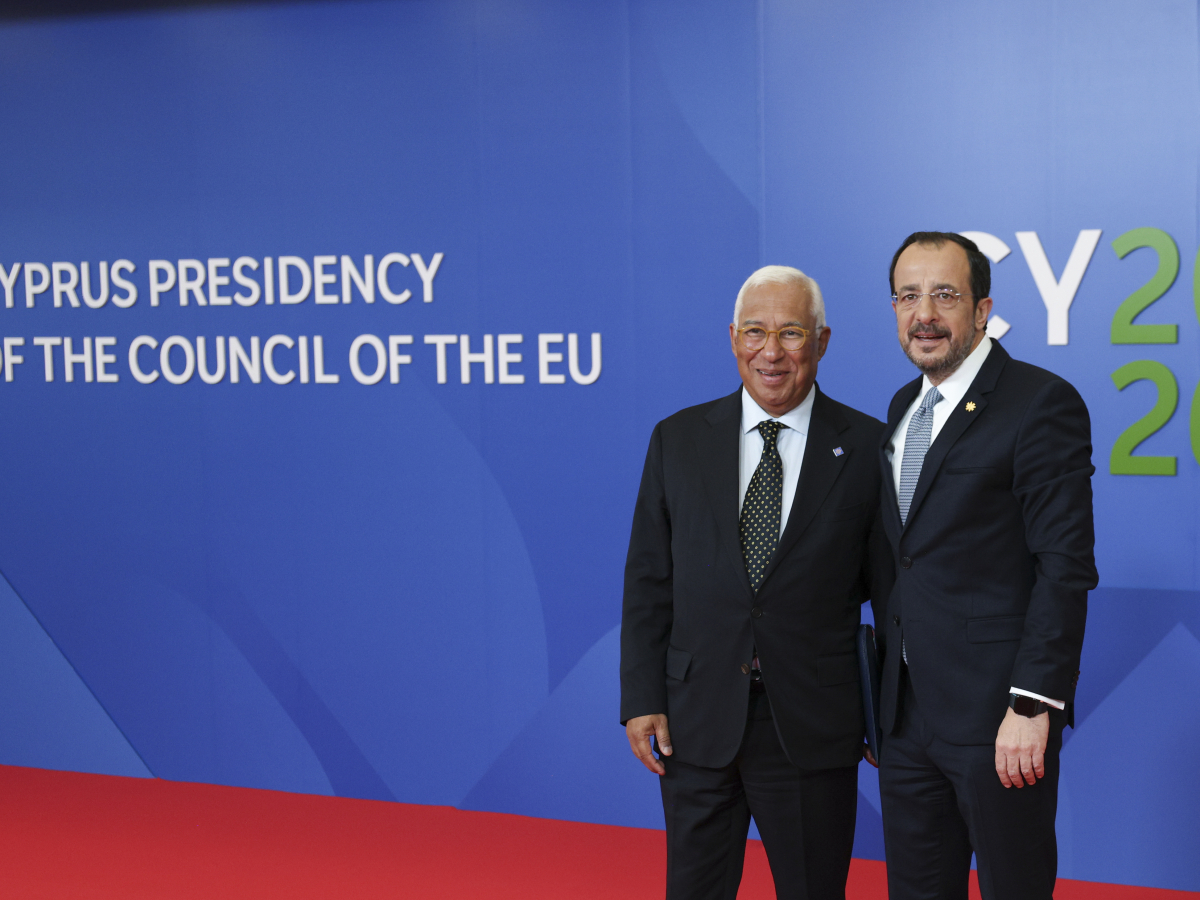
Costa believes that this Friday's debates confirm that those new own resources "will have to play an important role in financing the budget", despite acknowledging that "there is still work to be done".
While it is true that in the negotiation room some leaders would have expressed their willingness to reduce the size of the budget, while “others want a size that is up to the ambitions of the European Union”, the same diplomatic sources maintain.
At this point, the Spanish delegation shows itself critical of what Brussels has proposed. It considers that the proposal does not contain the “ambition” necessary for the current context. From President Pedro Sánchez's circle, they insist that Europe needs to take a significant leap in financing. “It is necessary to accelerate the intensity of the discussions if we want to arrive on time”, they point out. The Spanish also question the scope of the new own resources, considering that they fall short. The underlying idea is clear: without more money, there will be no more Europe.
The energy debate
Furthermore, in economic terms, the Spanish president has asked his counterparts for the extension of the European Next Generation funds for an additional year with the aim of maintaining the investment level in electrification and renewable energies.
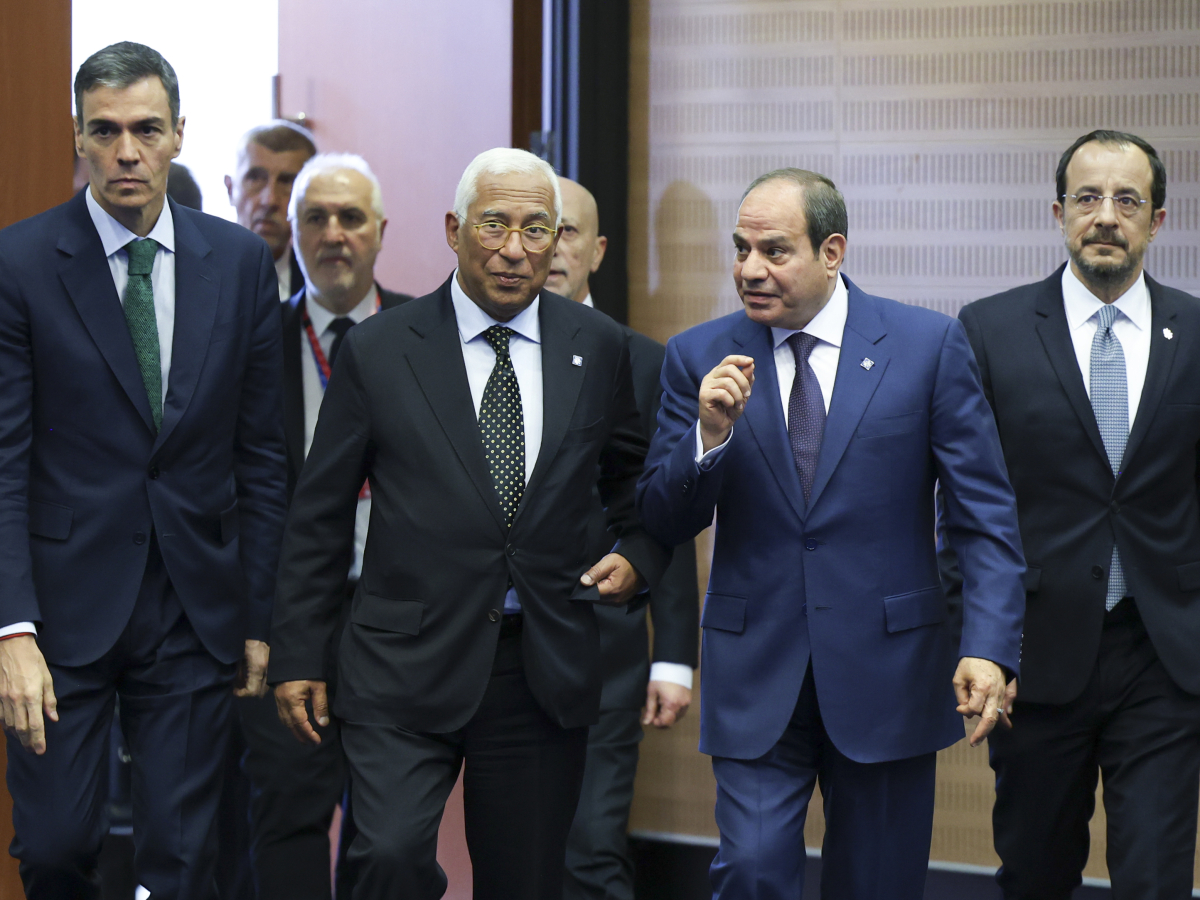
On this line, and after learning about the European Commission's energy plan to respond to the consequences of the war in Iran, the Portuguese leader has expressed that the continent only has one option: “accelerate the energy transition and promote the development of clean energy sources of national production”.
In a subsequent press conference, Von der Leyen confirmed that before summer she will present the Electrification Action Plan, with the intention of advancing, as Costa expressed, towards European clean energy, after noting a certain consensus on the matter in the conversations of these two days. "It is a matter of security and economic independence", the German stated.
Europeans return with the feeling of having played the game in the Middle East without fully moving a piece, and with the intention that Brussels will end up giving in on the continent's economic debates, such as the European budget or reindustrialization. "There is a lack of ambition" is the refrain that is repeated in the corridors of the community institutions.