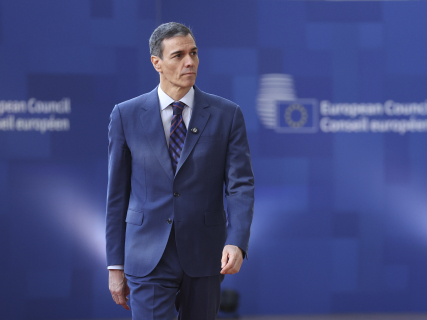

European leaders face this Friday the second day of their summit in the Cypriot capital with their sights set on debates about the economic competitiveness of the continent. The drums of war continue to resonate among the Twenty-Seven after having addressed yesterday the issue of the war in the Middle East, on which the President of the Spanish Government, Pedro Sánchez, has accused the Union of acting with a double standard.
Pressure on Israel and criticism of the European "double standard"
During the working dinner that the heads of government held on Thursday, Sánchez once again called on his counterparts to give in regarding the proposal of the Minister of Foreign Affairs, José Manuel Albares, to break the association agreement with Israel. At La Moncloa, they consider that Europeans are losing their legitimacy in the international context by acting with a “double standard,” for not defending international order in the West Bank with the same intensity as in Ukraine.
“The situation in the Middle East demonstrates the failure of brute force,” stated the head of the Executive upon his arrival at the meetings in the Nicosia conference center. In his opinion, the law of the strongest makes the world much weaker in a war whose “objectives are unknown” and in which there is also no “trust between the parties to end the conflict.” In this regard, Sánchez has insisted that the lack of a common framework for action weakens the international position of the European Union and erodes its mediation capacity.
Featured story
How to understand the EU's blockade of Sánchez's proposal to break the agreement with Israel
6 minutes
Economic impact of the energy crisis
The truth is that the economic consequences of the war are already being felt in the pockets of European citizens. The European Commission estimates that, in these first months, the cost of the community's dependence on fossil fuels —due to the closure of the Strait of Hormuz— has amounted to an expense of nearly twenty-four billion euros. This figure reflects not only the continent's energy vulnerability but also the urgency of accelerating the transition towards alternative sources.
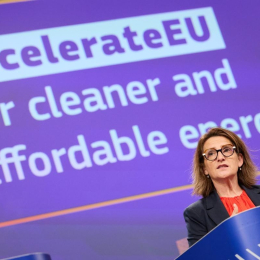
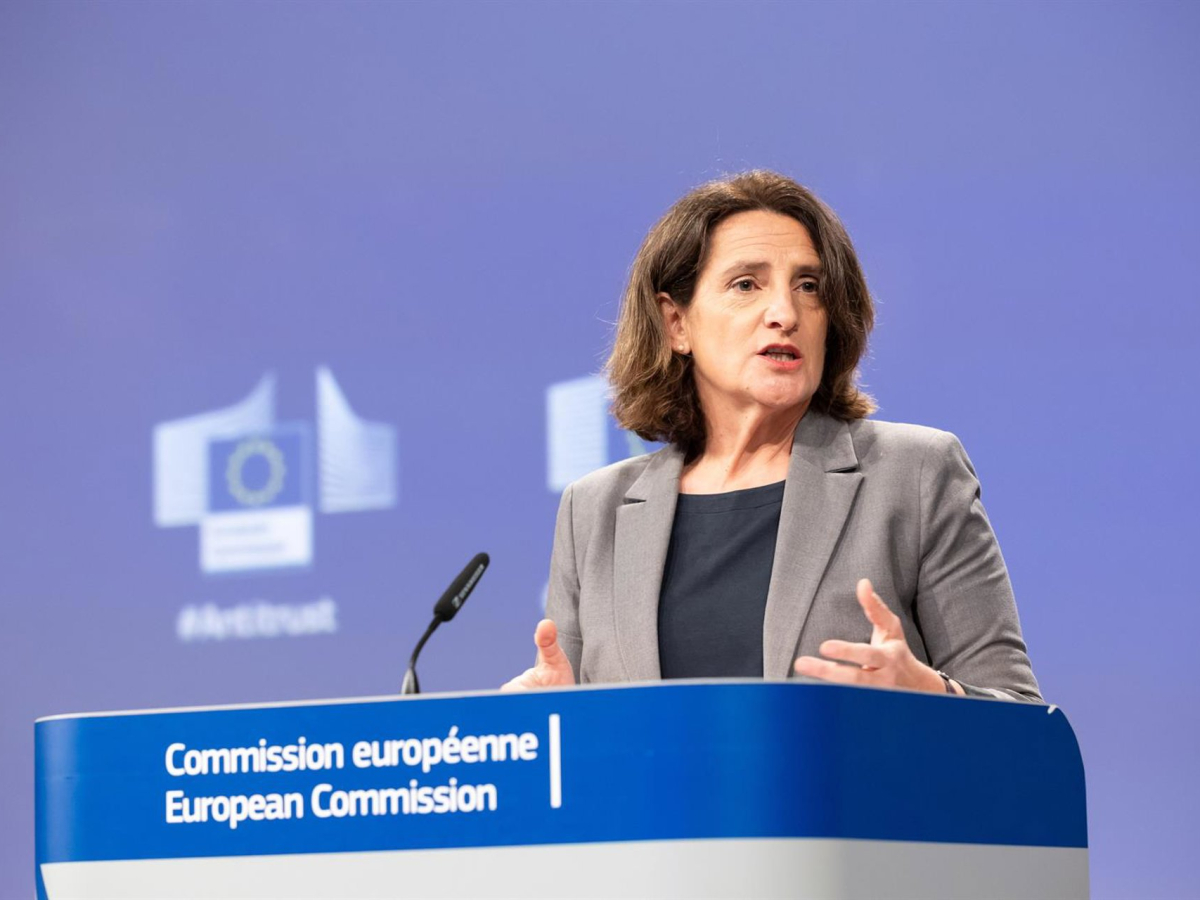
Brussels presented on Wednesday its energy recipe to alleviate the effects of this crisis derived from the rise in prices. The European Commission document raised the possibility of coordinating gas purchases among Member States to benefit from the bloc's negotiating power, in addition to opening the door to a reform of the state aid framework. Throughout the presentation of the initiative, Vice President Teresa Ribera wanted to focus on the need to protect the most vulnerable households and sectors through new direct aid, emphasizing that the energy transition cannot leave the most exposed groups behind.
Spain asks Brussels for more ambition
A plan on which the continent's partners seem to agree on asking Brussels for “more ambition”. The Spanish representatives miss in this week's strategy the creation of an extraordinary tax on the profits of energy companies to “finance the responses that are allowing us to protect citizens and companies”.
This was one of the proposals that Spain, along with four other member states, put forward through a letter to the European Commission regarding the package of measures it was preparing. Although at first it was a possibility that was analyzed —as Ribera herself acknowledged in a meeting with journalists—, it was finally dismissed due to the lack of consensus required for a fiscal measure of this type, especially in a context where national interests continue to drive key economic decisions.
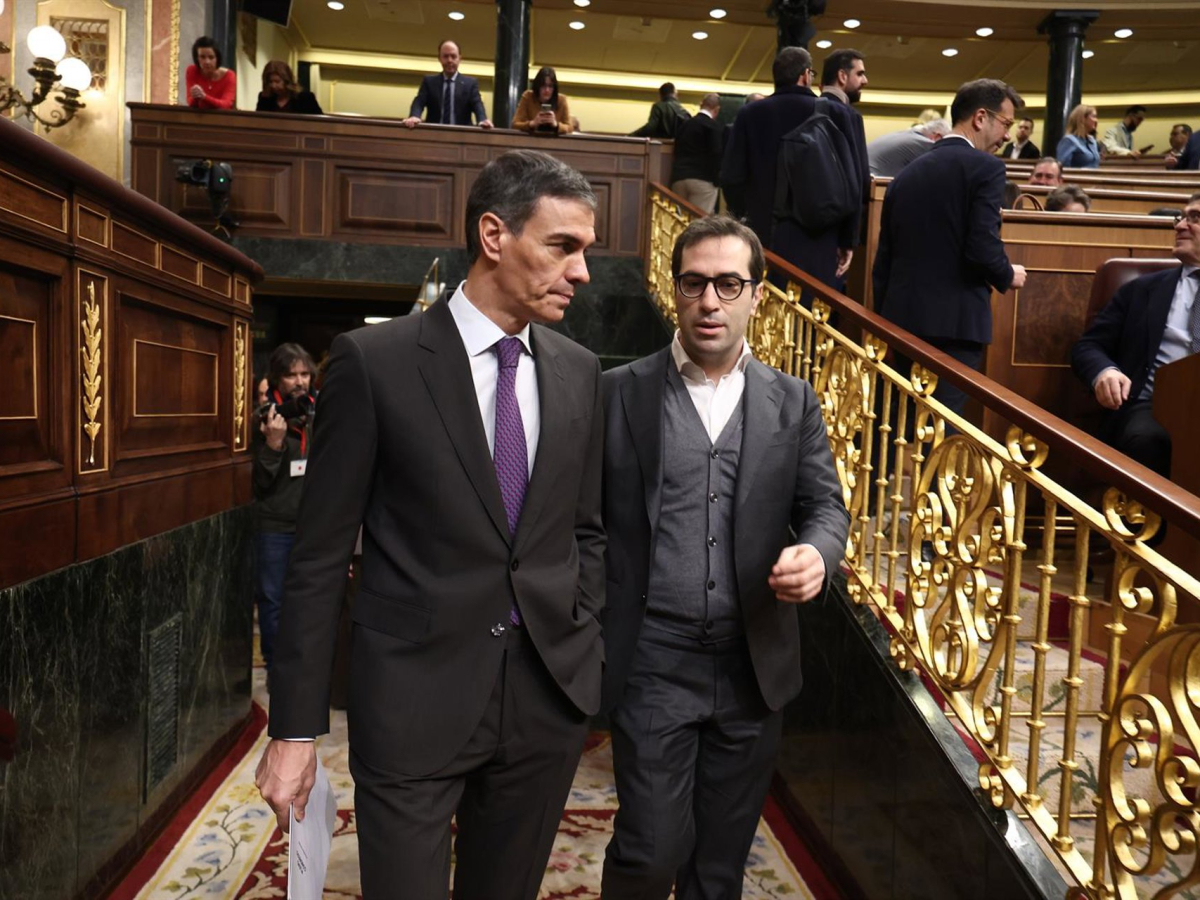
“Spain has always advocated for electrification, for decoupling ourselves from fossil fuels, and for gaining energy autonomy through the sun, hydroelectric power, and wind,” were the president's words before lunch this Friday. These statements represent a direct appeal to Brussels to demand “more ambition in the joint response,” in line with the Spanish strategy to accelerate the ecological transition.
Sánchez asked the president on Thursday Ursula von der Leyen for “more resources for electrification and renewable energies”. How to achieve it? La Moncloa has put on the table the possibility of extending European funds from six to twelve months to link new disbursements to the electrification of the economy. “The great lesson of this crisis is the need to continue betting on renewables,” said the leader of the Spanish socialists, who also proposed “opening the debate on a flexibilization of fiscal rules to support electrification,” in an attempt to adapt European economic governance to new energy and geopolitical challenges.