

An old acquaintance. He appears from time to time in some conversation. Do you remember that? How long it's been. He even shows up every so often at a dinner, a meal, or in that quick coffee that happened after postponing indefinitely that "we have to see each other." Up to eight times the Government has said that refrain so far in this legislative term in the community institutions. What about mine?
With the community machinery running at full capacity, Moncloa has once again tried to elevate one of its priorities on the European agenda to the table of the Twenty-Seven. The Multiannual Financial Framework and the design of new own resources? No. The state of European defense? Neither. The challenges posed by Artificial Intelligence for the bloc's legislation? Not this time. It is about the recognition of Catalan, Galician, and Basque as official languages of the European Union.
In the delegations of the European Council, the idea is beginning to spread that the key is to let the matter pass, to end up buried in the drawer along with other files. "Let's see if we find time, I'm a bit busy," one friend tells another in the supermarket line. However, the strategy this week was to link the enlargement of the European Union to the approval of this measure. "Let's have a serious process," summarized the Swedish Minister for Community Affairs, Jessica Rosencrantz, upon her arrival at a meeting this Tuesday in Brussels. The capitals downplay the challenge aware that Spain is currently refusing to recognize the issue as a "red line" in order to be able to propose a veto to the entry of countries like Montenegro, planned for the coming years.
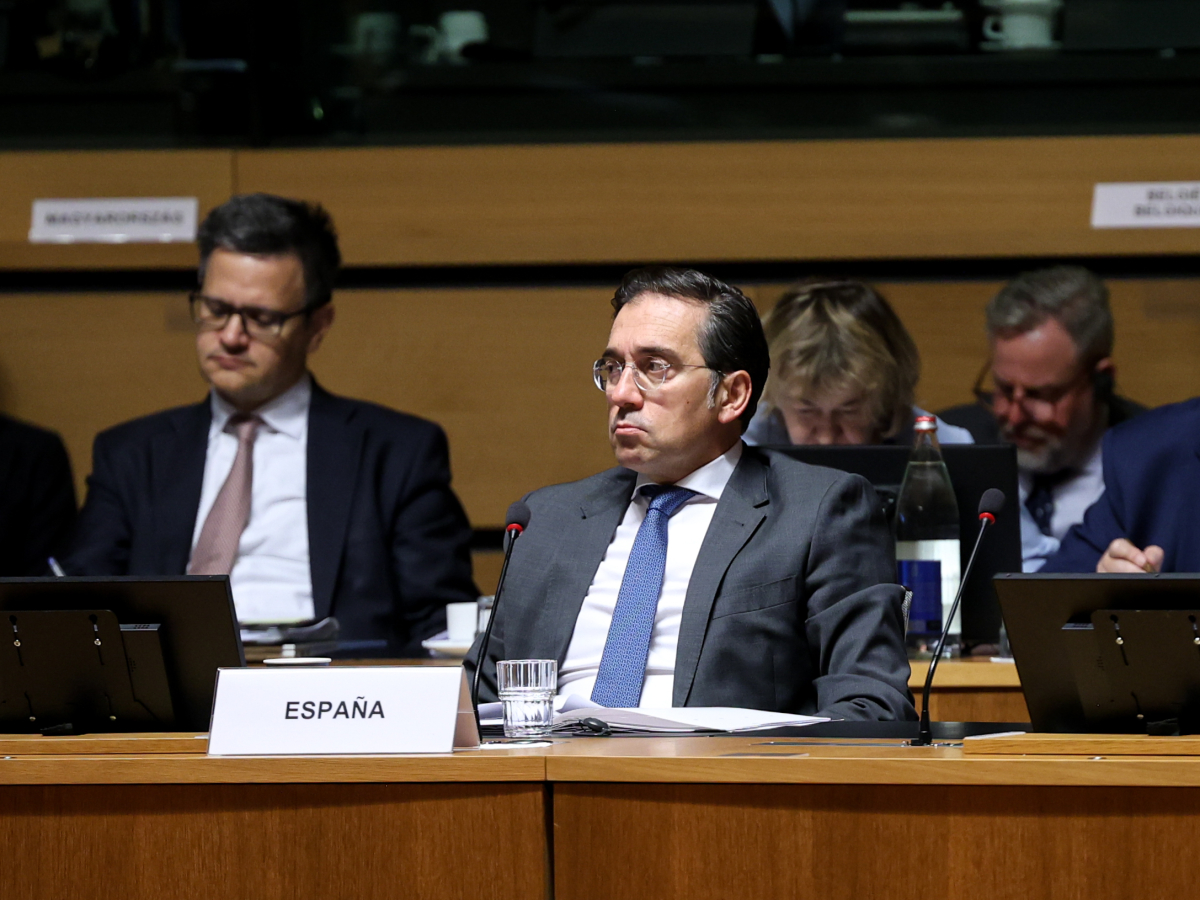
The curious thing about the Government's new attempt is that it coincided in the same week with the date on which the European continent celebrates the Day of Languages. "We hope that the expectations of 20 million Europeans will be met," said the Secretary of State for the European Union, Fernando Sampedro, in Brussels this Tuesday. The data reveals a truth sometimes ignored in the halls of the community capital: the Spanish co-official languages, despite not having recognized status at the level of the Twenty-Seven, are already used daily within the European institutions.
More than 140,000 Catalans in the EU
For example, according to the data managed by the Generalitat of Catalonia, currently more than fifteen thousand Catalans reside in Belgium, which represents 5.21% of the citizens of the region living abroad. In the community block, the figure rises to 141,000 Catalans, 32% of those residing abroad. If we refer to the Galician census, the number of residents in Belgium adds up to more than three thousand, slightly less in the Basque, which quantifies the residents at nearly 2,300. Santiago and Donosti represent 3.8% and 2.7% of the Spanish community in Belgium, respectively.
In the streets of Brussels, young people living thousands of kilometers away from their families are doing "activism for the language". This is the case of Karan Novo, one of the organizers of the EmigraSon festival, which brings together Galician groups and singers each year on the stages of the epicenter of European bureaucracy. "We try to show that the Galician language and culture are totally contemporary," he explains in a conversation with Demócrata, in which he distances himself from the "conception that some people have, taking this matter to a more 'rural' territory". "We have to convince the more urban people that it is not something of our grandparents or villages," he points out.

Claudia Cabezas, a young euskaldun resident in Brussels, agrees with Karan in pointing out the activities that compatriots organize in the city to keep the flame alive. "Where I have been able to speak the most is in the Euskaletxea, as they usually carry out various food events, competitions…," she explains. She and her group of friends are trying to carry out an initiative with this organization to promote the use of the language even thousands of kilometers away. What is the goal? "To seek out the majority of euskaldunes and create a space where we can speak our language and continue to promote it."
For his part, Durán Matamoros, a Catalan who works in the European Parliament, celebrates the fact that in Brussels "there is a very large and well-organized Catalan community". The Casal Catalán, in the Ixelles neighborhood, is the "nerve center of these activities". There, weekly talks, gastronomic meetings are organized, groups of castellers rehearse, and they even project Barça matches. "There are a lot of activities you can do in Catalan, even living abroad," he points out.
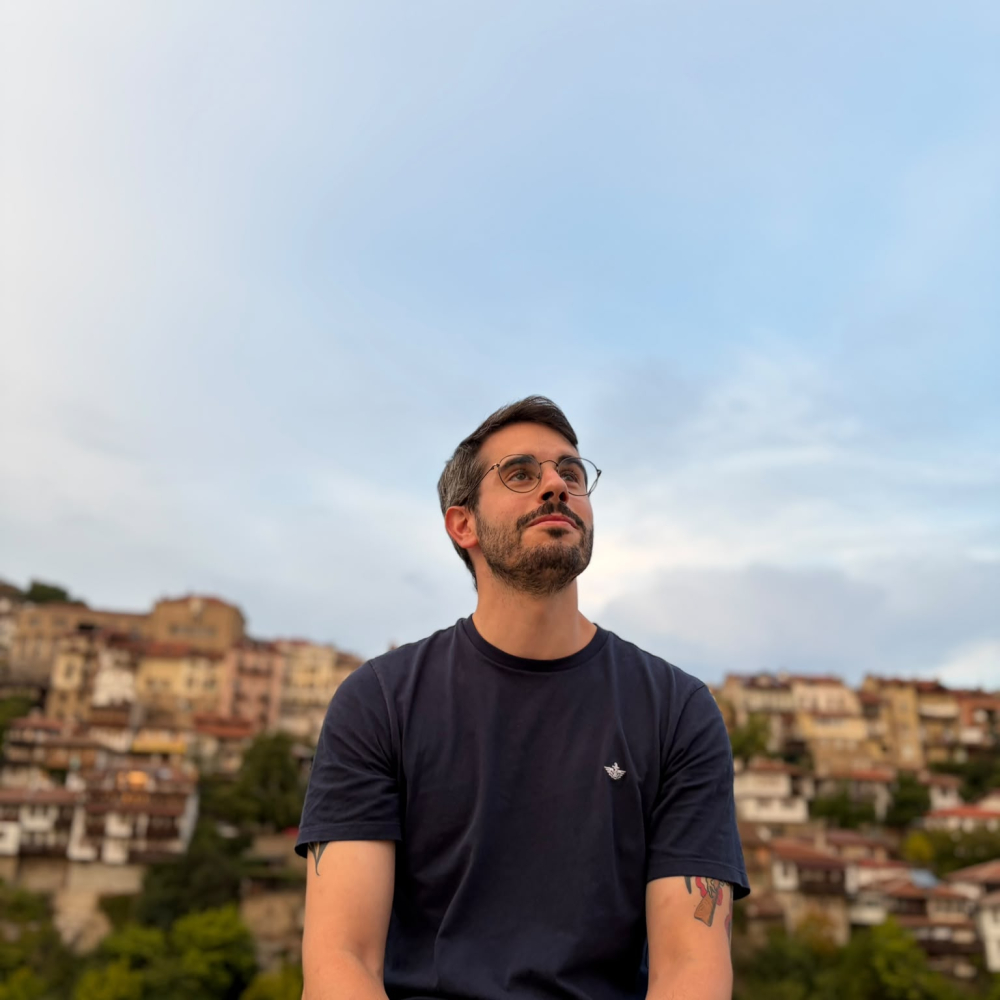
The language is also maintained thousands of kilometers away
Durán defends that part of the defense of his language abroad involves instilling "the importance of learning and speaking in Catalan to your children and your partner". However, he introduces an interesting nuance. Just as he asks not to lose sight of the language while being away from home, he suggests that "Catalans should make the effort to learn French and, above all, Dutch —the original language of the Flemish regions of Belgium—". "If we ask those who come to our house to learn Catalan, we should do the same when we emigrate to another country," he claims.
Santiago does not lag behind. Associations like Couto Mixto host cultural events such as book presentations. Apart from organizing this type of event, Karan proposes taking activism to social media. "What is foreign and what is local does not differ much. We all consume the same news, the same videos on social media…", he reflects.
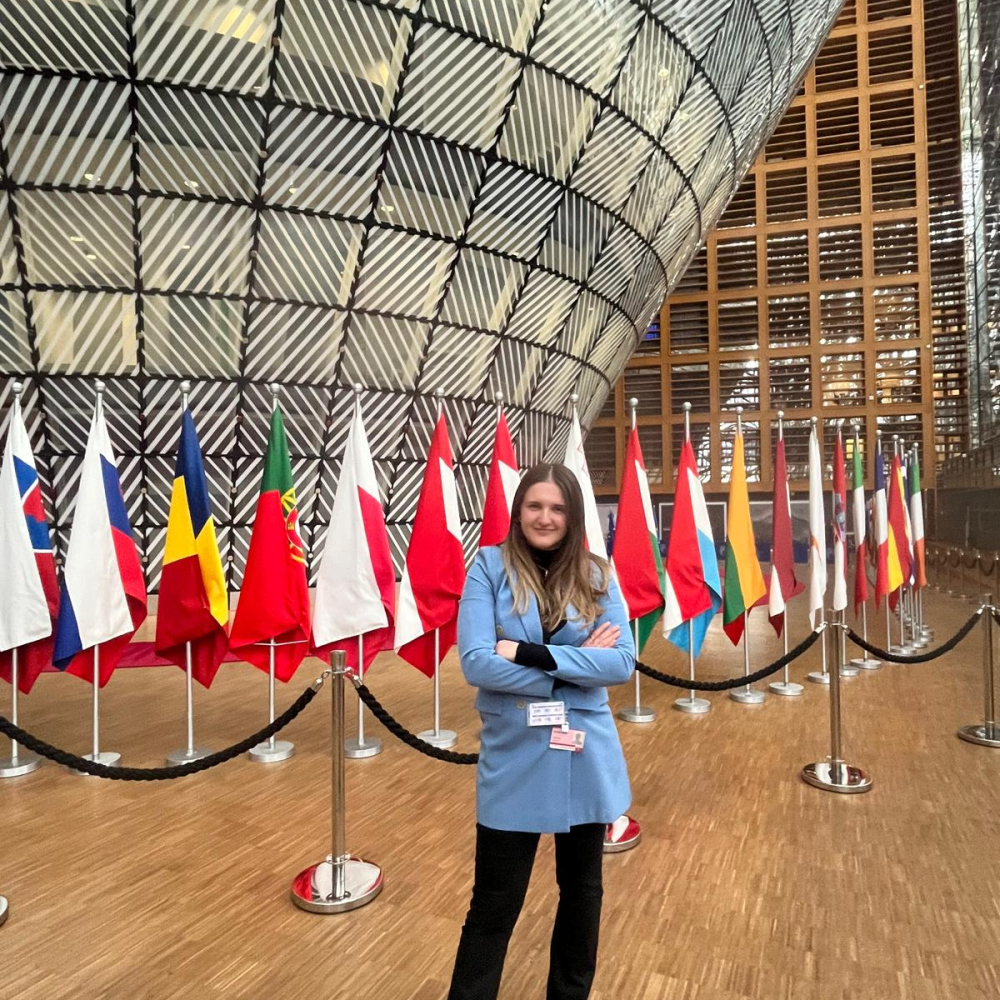
The key in distance "is the commitment to use it daily", says Claudia, who ironically threatens her friends in Belgium with teaching them Basque "so that they can learn just as I learn from them." "The project I have in mind is open to anyone who wants to learn our language," she summarizes, opening the door to new allies for her proposal.
Taking the language beyond seven in the evening
The three agree on one answer. What is the question? The recognition of languages at the community level that the Government has now put back on the table. The arguments range from the opening of borders, the ease in daily work life, or the status of languages. "I think that in the end, if we live in such a multicultural city, we should also open ourselves to languages," says Claudia.
"Absolutely," Durán quickly responds. "Recognizing them as official in the EU implies acknowledging the diversity and linguistic richness that exists within the continent," he adds while expressing that this would also help to "bring institutions closer to citizens". "It would be good to normalize them to give them cachet," concludes Karan.
Legitimize the European institutions while legitimizing the three languages. It is the claim of three young people who are entrenched in community politics and want to take their language beyond the activities scheduled in their agenda starting at seven in the evening. The Government assures that it is one of its priorities amid discussions about the Multiannual Financial Framework and the reindustrialization of the continent. The partners respond: "let's see if there is time for that coffee."