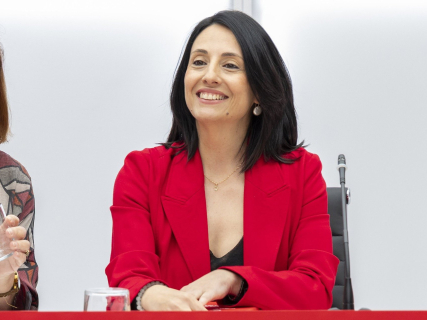

The new spokesperson for the PSOE, Rebeca Torró, has denied that there are conversations with the Frente Amplio so that this coalition does not present itself in certain constituencies and to gather the vast majority of the progressive vote on the PSOE ballot for the general elections on November 29.
In an interview on Cadena SER, Torró (who holds the position after the resignation of Montse Mínguez) made it clear that her party's agreements with the Frente Amplio are limited to the Senate (where they have agreed on the joint candidacy Senado de Progreso), and that nothing else has been discussed.
The PP would still be first in seats despite the PSOE–Frente Amplio pact
According to a simulation prepared by DEMÓCRATA, the PP would still be the leading force in deputies if PSOE and Frente Amplio shared a candidacy in the 33 provinces that elect between two and six representatives: the popular party would obtain 131 seats and 31.6% of the national vote, compared to the 124 deputies that PSOE and Frente Amplio would gather between their own and joint lists. Both spaces would sum more votes than the PP —33.2%, a lead of 1.6 points— but would achieve seven seats less.
Vox would obtain 64 deputies and 18.7% of the votes. Its sum with the PP would reach 195 representatives and 50.3%, maintaining the absolute majority. For its part, Podemos would obtain two deputies and 3.1%, raising the PSOE–Frente Amplio–Podemos total to 126 seats and 36.3%. ERC and the other candidacies would gather the remaining 29 representatives.
Within the PSOE–Frente Amplio space, the shared candidacies would achieve 52 deputies; the PSOE's own lists outside the agreement, 64; and those of Frente Amplio, eight.