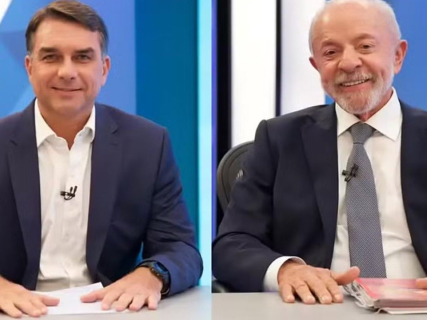

Lula da Silva and Flávio Bolsonaro closed their last debate before the second round of the Brazilian elections on Friday, October 23, with a dispute centered on the cost of living and security. The meeting on TV Globo, held in Rio de Janeiro, left more room for proposals than the previous one, although it again ended up crossed by personal accusations and corruption.
The interest of the face-to-face was in checking how they would try to win over those who still doubted. The president needs to defend his management and offer recognizable improvements; his opponent, to combine the promise of change with an image capable of attracting support outside his most loyal electorate.
The cost of living displaces part of the personal duel
Flávio Bolsonaro pressured Lula on inflation, the rising cost of living, and family debt. The exchange brought to the studio a question that weighs beyond political identities: who offers a credible response to everyday economic difficulties.
The opposition candidate defended increases in wages and pensions and the protection of social spending. The strategic reading is significant: challenging the president on the economic security of households requires something more than rejecting his management.
For Lula, that ground also presents a difficulty. Claiming what has been done can reinforce his supporters, but convincing a dissatisfied voter requires explaining what will change. In a second round, both need to broaden support, in addition to retaining what they already have.
Security and corruption maintain the confrontation
The discussion about crime returned to the debate one of its strongest divisions. Flávio Bolsonaro defended a tough response, while Lula questioned his positions and political ties. The crossed accusations should not be confused with judicially accredited facts: they were accusations made in an electoral confrontation.
The information from Agenda do Poder and NC News also places among the issues addressed education, health, online betting, and financial controversies. The format of four blocks, moderated by César Tralli, combined fixed topics with a part of free discussion.
What the polls say and what they do not allow to conclude about the debate
The Ipespe/Abrapel poll released on October 23 gave 50.5% of valid votes to Flávio Bolsonaro and 49.5% to Lula. The one-point distance was within the published margin of error, which was 2.6 points. The survey interviewed 1,500 voters by phone between October 20 and 22.
This calendar matters: its results are prior to the debate. They do not allow measuring who convinced more during the program nor demonstrate that the meeting altered voting intention. Nor does a selection of widely shared videos replace a subsequent study with identifiable methodology.
The last opportunity to change the reason for voting
The analysis of the meeting leaves two competing objectives. Lula tries to have the decision made based on the continuity of his policies and the risks of the alternative. Flávio Bolsonaro seeks for the voter to judge the Government by their domestic economy and their perception of insecurity.
Sunday, October 25 will determine which of those reasons weighs more. The debate has closed the great televised confrontation, but it has not turned into electoral results a race that previous polls placed within their margins of uncertainty.