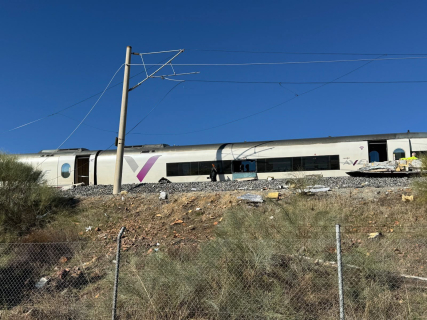

Citizen mobilization after the Urda (Toledo) railway accident has also reached the internet, where a private initiative has tried to facilitate the location of the passengers of the two trains involved in the collision. The tool, which allowed relatives and loved ones to post search notices and travelers to communicate that they were safe, has ended up being taken down just a few hours after it went into operation because of problems related to the protection of personal data.
The platform, hosted at buscarfamiliares.netlify.app, was born as a means of communication for those who could not manage to contact their relatives after the crash between a Renfe AVE and an Iryo train. However, the publication of information about missing, injured or deceased people, together with the appearance of false messages, has led those responsible to deactivate the forms and replace them with information about the official assistance channels.
A citizen tool to locate the passengers of the accident
The page offered two possibilities for participation. On the one hand, travelers could report that they were fine or that they had been injured, indicating their name and the place where they were being treated. On the other hand, relatives who did not know the whereabouts of one of the passengers could publish a search request with data that would facilitate their location.
During the hours in which it remained operational, the website gathered numerous messages from people trying to locate their relatives, some of which included references to the carriage, seat or clothing of the travelers.
Among the notices collected were testimonies from relatives who did not even know in which of the two trains the person they were looking for was traveling. In one of the messages, a user explained that their relative’s phone had emitted its last signal at the scene of the accident, without having subsequently managed to establish contact.
Messages also appeared from passengers who said they were out of danger, some of them transferred to hospitals or taken in by acquaintances after the evacuation.
However, the information published came directly from users and was not subject to any verification procedure, so the notices could not be considered official confirmations about the condition or location of those affected.
The organizers withdraw the search engine because of the dissemination of personal data
The initiative has ended up suspending its main functionality in view of the implications that the open publication of personal information in an emergency situation could have.
"We have stopped offering the search for relatives on this website", its responsible parties explain in the notice that has replaced the original forms.
They argue that, although the initial purpose was to help locate those affected, the handling and public dissemination of data relating to missing, injured or deceased people raises problems with data protection regulations.
The decision also comes after some users took advantage of the open nature of the platform to enter false notices, jokes and messages of political content that had nothing to do with the search for passengers.
The closure of the service does not mean that there is a resolution from the Spanish Data Protection Agency against its promoters. The withdrawal responds, according to the explanation published on the page itself, to a decision by its responsible parties.