
The anti-crisis shield could return. The increase in inflation to 4.3% in August -mainly driven by fuels-, and the rise in oil and gas -which threatens to transfer to other costs in the coming months- tighten the Executive to recover those extraordinary measures.
The Government already has approved mechanisms to respond to a new escalation, although some of the measures applied during the first phase of the energy crisis have been disappearing. At the same time, Sumar demands to recover more forceful actions, including new VAT reductions and measures to contain the price of gas.
The response does not necessarily involve recovering all the package used in 2022 at once. The Executive has different mechanisms that can be activated depending on the evolution of prices and the conditions established in the regulations approved during this year.
Among the options that have returned to the political debate are a possible reduction of VAT on certain energy products, new measures on fuels, and actions aimed at limiting the impact of the price of gas on electricity.
The energy VAT has safeguard mechanisms
One of the tools already contemplated by legislation is the possibility of reducing the VAT on certain energy products again when specific price conditions are met.
Royal Decree-Law 18/2026 establishes that if the price of electricity or gas exceeds by more than 15% the price recorded a year earlier in the established reference periods, a VAT of 10% for certain supplies can be activated during September.
In the case of electricity, the mechanism affects certain domestic consumers, including holders of contracts with a contracted power equal to or less than 10 kW and certain beneficiaries of the social bonus. For natural gas, the regulation also contemplates the application of 10% under the conditions set out in the decree.
What happens with fuels
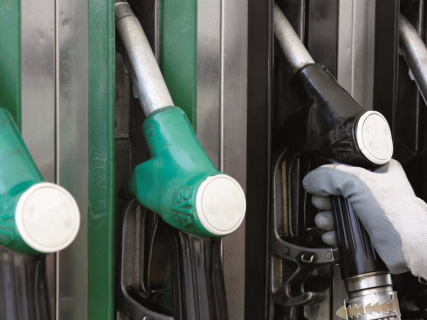
Fuels have a different mechanism. The Government modified the rates of the Hydrocarbons Tax during the summer to cushion the impact of the energy crisis and established a clause linked to the year-on-year evolution of prices.
In September, the regulation includes specific rates for gasoline and diesel and allows for a greater reduction when the increase in the CPI of fuels exceeds certain thresholds. In the case of diesel, the strong increase recorded in July activated the safeguard mechanism and raised the tax reduction planned for September. :contentReference[oaicite:6]{index=6}
The situation is different for gasoline. Since September 1, the intensity of the planned reduction for this fuel has been decreased as the same price increase threshold has not been met. The result is that the tax relief is not the same for all fuels.
The cap on gas returns to the debate
The other major issue is the price of gas used to produce electricity. The proposal to recover a mechanism to limit the price of gas recalls the so-called Iberian exception applied during the previous energy crisis.
However, recovering that mechanism is not an automatic decision. The current context is different, and the Government must assess both the actual evolution of prices and the conditions of the electricity market and the European framework. In fact, community positions point towards selective measures and not towards generalized tax reductions.
For this reason, although the anti-crisis shield is once again part of the debate, there is currently no new closed package that fully reproduces the one applied during the toughest moments of the energy crisis.