
The Russian Ministry of Foreign Affairs has pointed to the United States as the main responsible party for the termination, last Saturday, of the United Nations Mission for the Referendum in Western Sahara (MINURSO). The outcome comes after Moscow’s veto of a draft resolution promoted by Washington and aligned with the positions of Morocco, occupying power of the former Spanish colony.
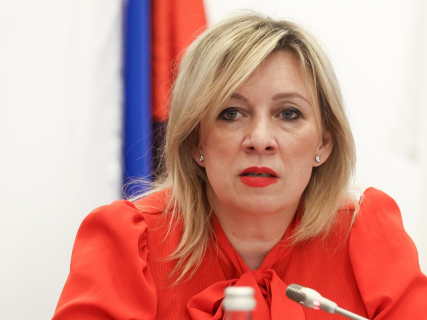
The Russian Foreign Ministry spokesperson, Maria Zajarova, denounced in an official appearance that "the United States wanted to artificially accelerate the resolution process, insisted on the eve of the date on a drastic reduction of the Mission’s powers, including the renunciation of organizing a referendum".
Russia underscores that the key actors in the conflict, among them Morocco and Algeria, "agree on the importance of "giving the people of Western Sahara the opportunity to decide their own future".
In the face of Washington’s initiative, Moscow maintains that "it could not support the intention of taking away from the people of Western Sahara their right to vote". However, "the United States has opposed extending the previous mandate, so the Mission is on the brink of its liquidation". Zajarova added that "we regret that the basis for the presence of UN representatives in Western Sahara is being eliminated".
The Kremlin states that it expects "the political resolution process to continue", with the aim of reaching "the best solution for the population" based on the different proposals on the table. "We remain in close contact with our Algerian, Moroccan and other partners", the spokesperson stressed.
The United States initiative contemplated extending the mandate of MINURSO, which expired last Saturday. In parallel, Russia presented its own draft resolution, in which any mention of the autonomy plan designed by Rabat was excluded, but Washington also vetoed it in the Security Council.
The Polisario Front, recognized as representative of the Sahrawi people, maintains that the American draft moved away from the principles established by international law and emptied the conflict of its nature as a decolonization process, by legitimizing the Moroccan "illegal occupation" of the territory and establishing a "dangerous precedent" for regional and international peace and security. For this reason, it has expressed its gratitude to Moscow for the veto exercised.
The former Spanish colony of Western Sahara was occupied by Morocco in 1975, despite the armed resistance of the Frente Polisario. The armed confrontation lasted until 1991, when both parties signed a ceasefire with the prospect of holding a self-determination referendum. However, disagreements over the preparation of the census and over the possible participation of Moroccan settlers have prevented its convening to this day.