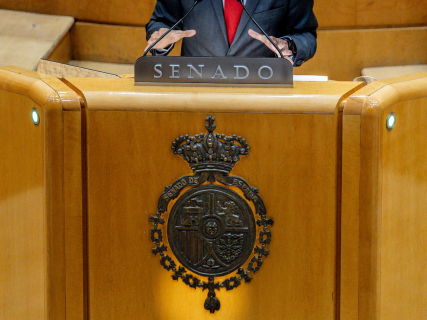

In the general elections on the next November 29, only 208 of the 266 seats in the Senate will be elected at the polls. The remaining 58 depend on the autonomous parliaments, which are responsible for appointing these senators based on the results of the last regional elections.
Thanks to this system, the PP already has at least 23 senators designated by the autonomous chambers, the PSOE has about 19, and Vox adds 5, all of them elected outside the electoral appointment of November.
In parallel, PP and Vox sealed an agreement this Monday in the Upper House that affects 23 constituencies for the elections on November 29. Under this pact, Santiago Abascal's party will renounce to run in six provinces, and the popular party will do the same in three.
For its part, PSOE, Frente Amplio, and other left-wing forces have decided to run jointly in 47 Senate constituencies, and presumably, the socialists will occupy the 'number one' position in all those candidacies.
Beyond these electoral agreements, the autonomous assemblies continue to be key, as they are the ones that distribute the 58 seats by autonomous designation, which do not depend on the direct vote of the citizens.
In this distribution, in addition to 'popular' and socialists, the Senate also incorporates 5 senators from Vox; 3 from Junts; 1 from ERC; 1 from BNG; 1 from Geroa Bai; 1 from PNV; 1 from EH Bildu; 1 from Compromís; 1 from Más Madrid and 1 from Coalición Canaria.
This balance, however, could be modified next year, when new autonomous elections are scheduled in a good part of the communities, which will likely alter the distribution of these 58 seats of autonomous designation.