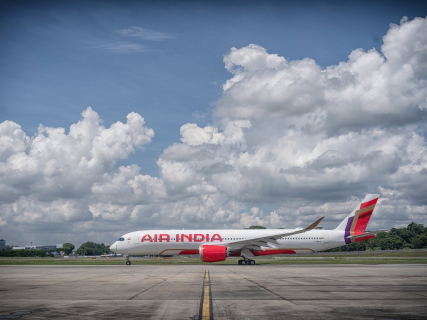

Airbus has identified anomalies in the hydraulic system of an A320 operated by Air India that last week experienced a sharp nosedive in mid-flight. The incident was initially linked to an alleged positive drug test of the captain and has triggered a campaign of toxic substance testing for the more than 5,000 pilots of the airline.
The aircraft, which was covering the route between Phuket (Thailand) and Delhi (India), temporarily lost the systems responsible for managing its pitch and roll before recovering its normal operation, according to a preliminary report sent to the company and accessed by "Bloomberg".
This loss of control, followed by the recovery of the aircraft, occurred over a span of seven seconds, but the maneuver caused injuries to 24 passengers and cabin crew members.
Airbus formally requested Air India to "provide information about the maintenance activities recently carried out on the hydraulic system during the last month" and to conduct a series of additional checks on the affected aircraft.
A spokesperson for the manufacturer noted that the company is providing technical assistance to the authorities in charge of the investigation and supporting the airline, although they declined to comment on their own initial conclusions.
Drug tests after the alleged positive
The new tests for detecting psychoactive substances for all Air India pilots, in effect since yesterday Thursday, cover "any substance or medication that is not permitted by current regulations".
After the incident, the two Air India pilots operating the flight on August 4 were subjected to mandatory toxicological tests after landing in Delhi, following the protocols of the Directorate General of Civil Aviation.
The initial rapid tests returned a "non-negative" result for the captain, and a second laboratory analysis received this week confirmed the presence of marijuana in the urine sample of the pilot in command.
As a consequence, both crew members were immediately removed from the flight schedule, pending the investigation being conducted by the country's Air Accidents Investigation Office, with the collaboration of the French regulatory body for air accident investigations and Airbus itself.