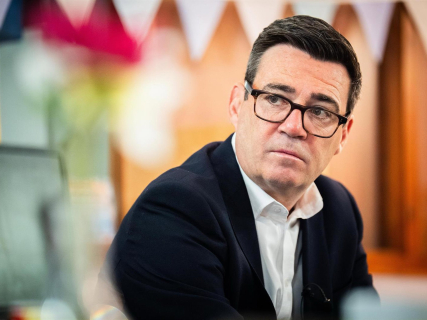

The change of prime minister is starting to be noticeable in the British polls. Labour reaches 26% in the latest survey by Find Out Now and opens a five-point lead over Reform UK, which drops to 21%.
The Conservatives are very close to Nigel Farage, with 20%. The Greens reach 14% and the Liberal Democrats stand at 10%.
The movement is particularly striking compared to the previous survey by the same company. On August 26, Reform UK was first with 25% and Labour was at 22%. In one week, the Labour Party gains four points and Reform loses four.
Labour returns to first place for Find Out Now
Find Out Now notes that it is the first time since January 2025 that Labour leads its voting intention series.
The survey interviewed 2,280 adults from Great Britain on September 2. The sample is weighted to reflect the population by sex, age, region, ethnicity, and vote in the 2024 general elections. The company also adjusts the results for likelihood of participation.
The polling company itself urges caution when interpreting weekly movements. With samples of this size, it reminds, the usual statistical margin is around two or three points and part of the variations may be due to chance.
It's not just a poll
The data from Find Out Now is especially relevant because other recent polls point in the same direction, although with smaller differences.
Opinium places Labour at 28% and Reform UK at 24%. More in Common puts the Labour Party at 26% against Reform's 22%. Survation recorded a 27%-24%. YouGov offers a tighter race, with both parties tied at 23%.
Among the seven most recent national polls collected on September 6, Labour appears ahead of Reform UK in five, there is a tie in one, and Reform maintains a slight lead in another.
The average of the latest polls also already places Labour ahead. The aggregator UK Fact Check puts the Labour Party at around 25.9% and Reform at 24%, a distance much smaller than the five points recorded by Find Out Now.
The Burnham effect changes the race
The recovery coincides with Andy Burnham's arrival at Downing Street.
Keir Starmer announced his resignation on June 22 and definitively left office on July 20. Burnham was elected Labour leader on July 16 and took office as prime minister four days later.
Since then, several polls have recorded an improvement for Labour. Reuters already noted at the end of July that the party had reached or surpassed Reform in various measurements after Burnham replaced Starmer.
Ipsos has dubbed the phenomenon the "Burnham bounce." Its latest research places the Prime Minister's favorable rating at 40%, eight points higher than in July, above Nigel Farage, Kemi Badenoch, Ed Davey, and Zack Polanski. When asked about a direct election between a Burnham government and one led by Farage, the former wins by 50% to 29%.
Reform UK loses the advantage that it came to dominate British politics
The change is significant because Reform UK had consistently led a good part of the polls during Starmer's final stage.
The arrival of Burnham has narrowed that advantage to the point of reversing it in several surveys. Financial Times already detected at the beginning of August that Labour had surpassed Reform for the first time in over a year in the average of polls.
That does not mean that Farage has stopped being competitive. Reform continues to hover around a quarter of the electorate in the national average and remains the main threat to Labour.
The fragmentation of the vote adds another difficulty. Conservatives, Greens, and Liberal Democrats maintain double-digit percentages or close to them, a scenario that makes the translation of voting intention to seats under the British electoral system much more unpredictable.
Seven weeks after Burnham's arrival at Downing Street, the British race has changed appreciably: Reform no longer dominates the polls and Labour is once again competing for the top position.