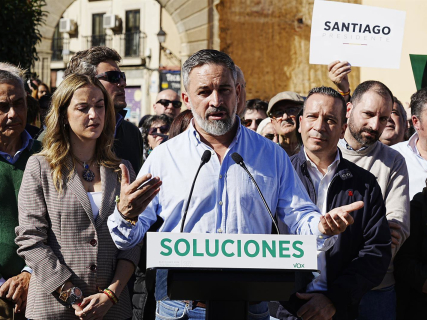

Vox is just a tenth of a point away from 20% and would double its 33 deputies from 23J even at the lower end of its range. The Target Point poll for El Debate attributes to it 19.9% and between 68 and 72 seats. PP would remain first with 31.8%, while PSOE, with 25.5%, is left in a range that crosses the hundred mark: between 99 and 103 representatives.
The fieldwork began at 18:00 on October 28, the day of the Urda accident, and ended on the morning of the 30th. All the responses are after the crash. That precision places the poll at a specific moment in the pre-campaign; it does not allow one to know on its own what each respondent would have voted if the accident had not occurred.
Against the previous Target Point, Vox gains 1.2 points and PSOE loses four tenths
The comparison with the poll that Target Point published on October 11 shows who has advanced the most in these three weeks. Vox goes from 18.7% to 19.9%. Its range, in the previous scenario with two state candidacies to the left of PSOE, rises from 64–66 to 68–72. PP, however, goes from 32% to 31.8%, and PSOE, from 25.9% to 25.5%. Feijóo's lead over Sánchez increases slightly: from 6.1 to 6.3 points.
Why then does El Debate speak of a rise of 1.3 points for PP and a fall of 1.2 for PSOE? Because it takes as a reference the average of the five latest polls published with interviews before the accident. Compared with that average, PP rises; compared with the previous Target Point poll, it falls by two tenths. They are two different comparisons.
PP and Vox add up to 51.7%; Frente Amplio and Podemos split between 10 and 12 deputies
The sum of PP and Vox reaches 51.7% of the vote. Even the sum of the minimums of their ranges -131 Popular deputies and 68 for Vox- gives 199, twenty-three above the absolute majority. The midpoint of both yields 203.
On the other side, PSOE, Frente Amplio and Podemos gather 34.5%, 17.2 points behind PP and Vox. Frente Amplio would obtain 6.6% and between nine and eleven deputies. Podemos would get one seat, for Madrid. In July 2023, when Podemos was integrated into Sumar, the joint candidacy obtained 31 representatives. The territorial alliances have changed since then, so the difference cannot be attributed entirely to the separation of the lists.
The study also provides a clue about the competition between the three main parties. 9.8% of those who voted for the PSOE in 2023 would now choose the PP. In turn, 17.5% of former PP voters would lean toward Vox. Both movements can coexist: the PP is attracting support from the PSOE while at the same time losing part of its electorate to its right.
See here the technical sheet and the poll in El Debate
| Party | Vote: 11 Oct. → 2 Nov. | Seats: 11 Oct. → 2 Nov. |
|---|---|---|
| PP | 32.0% → 31.8% | 135–137 → 131–135 |
| PSOE | 25.9% → 25.5% | 103–105 → 99–103 |
| Vox | 18.7% → 19.9% | 64–66 → 68–72 |
| Sumar / Frente Amplio | 6.9% → 6.6% | 10 → 9–11 |
| Podemos | 3.4% → 2.4%¹ | 2 → 1 |
| PP + Vox | 50.7% → 51.7% | 199–203 → 199–207² |