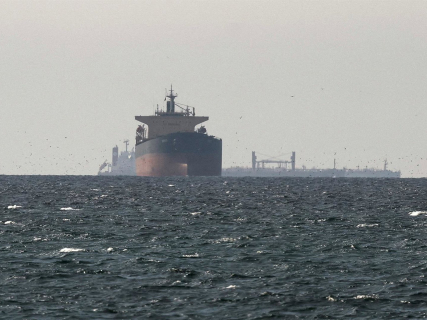

Oil remains above 100 dollars per barrel despite the fact that crude oil exports from the Middle East have recovered a good part of the ground lost during the crisis. The explanation is increasingly less about the amount of oil available and more about the cost of getting it to the refineries. The traffic of ships through the Strait of Hormuz has fallen to a two-month low after the increase in attacks against oil tankers. On October 6, only seven cargo ships crossed the corridor, the lowest level since July 23. The flow of crude oil through Hormuz decreased by 27%, to 10.1 million barrels per day.
At the same time, oil exports from the Gulf of Oman and the Red Sea have increased and have allowed compensating for a good part of the lower transit through Hormuz. The result is an unusual situation: there is more oil circulating through alternative routes, but moving it is much more expensive.
Transporting a barrel from Saudi Arabia costs more than 35 dollars
The clearest example is the route between Saudi Arabia and Rotterdam. The cost of transportation currently exceeds 35 dollars per barrel, compared to about 2 dollars in 2025.
The increase in costs responds to several simultaneous factors. Ships have to use alternative routes or resort to cargo transfer operations between vessels, while the risk of crossing areas affected by the conflict raises insurance premiums.
The lower availability of tankers adds another pressure. The demand for ships has increased at the same time that the routes are longer and more complex, which has driven freight prices to extraordinary levels.
The logistical problem also affects companies' ability to plan their supplies. A shipment that takes more time, a more expensive ship, and a higher insurance premium ends up incorporating those costs into the energy supply chain.
Why Hormuz remains decisive even though there are alternative routes
The Strait of Hormuz continues to be one of the main global routes for the transport of oil and gas. Before the war, around 125 large commercial vessels crossed the corridor every day, which channeled approximately one-fifth of the world's oil and liquefied natural gas.
The recovery of exports through other routes has avoided an equivalent drop in global supply. In September, crude oil exports from the Middle East exceeded pre-conflict levels for several days.
But replacing one maritime route with another does not eliminate the cost of the interruption. Distances increase, ships remain occupied for longer, and insurers incorporate the risk of navigating through an area subjected to attacks.
That is why the market can simultaneously register a recovery in exported volume and a high price of oil. The bottleneck is no longer solely in extracting or producing crude oil, but in transporting it safely and economically viable.
How it ends up in gasoline and diesel
The price that a driver pays does not depend solely on the Brent quotation. The chain includes the cost of crude oil, the refining process, transportation, and distribution, in addition to taxes and margins.
The European Central Bank has calculated that variations in crude oil prices are quickly passed on to fuel prices. Under normal conditions, a rise of 10 cents per liter in the component corresponding to crude oil translates approximately into another 10 cents in the price before taxes.
The transmission is not instantaneous nor identical in all markets. It also depends on refining margins, logistical costs, and taxation, but the increase in the raw material ultimately affects the price that consumers pay.
In Spain, the leading indicator of the CPI placed annual inflation at 4.9% in September. The INE specifically pointed to fuels and lubricants for personal vehicles among the elements that influenced the evolution of that month.
The risk is that the logistical problem lasts longer than the lack of oil
The situation may prolong even if export volumes continue to recover. Attacks on oil tankers have increased, and the week from September 28 to October 5 recorded the highest number of incidents against tanker ships since the beginning of the war.
The oil industry also faces refining capacity issues in some areas and a lower availability of certain derived products. This means that the additional cost of transportation may coincide with other factors that keep the energy bill high.
The market thus faces a paradox: the recovery of exports prevents a oil deficit of the magnitude that a prolonged blockade of Hormuz would have caused, but does not eliminate the extra cost created by risk, insurance, freight, and alternative routes.
As long as traffic through Hormuz remains well below pre-conflict levels and tankers continue to be exposed to attacks, the final price of crude will continue to incorporate a logistical premium in addition to the price of the raw material itself.