

The European Union seems to have found its new Draghi. A new man for a new time. This time it is not about a former Italian leader. Nor about a retired oracle. He is on the other side of the Atlantic. "Without geographical union," as he himself came to call it. His direct clash with the North American president, Donald Trump, due to the trade war, has catapulted Canadian Prime Minister, Mark Carney, to become the talisman of the community bloc to navigate in the new international waters.
If the beginning of the second term of the president of the European Commission, Ursula von der Leyen, was marked by the speed with which regulatory simplifications were implemented to boost the continent's competitiveness, now the challenges have changed. Brussels wants to confirm, forced to do so after Trump's arrival at the White House, its openness to new partners. New friends with "rights," when the friend you had trusted until that moment changes ships.

A relationship still to be defined
During her State of the Union address, Von der Leyen proposed Canada to be the first "associated member state". What does that mean? For the moment, not even in the offices of the community capital is it clear yet. A senior official of the Commission calls for "imagination and energy" to "deepen this status" during the summit that both powers will hold at the end of October. The president's Cabinet insists that "an unprecedented level of ambition has been raised to elevate relations to the highest possible category," without yet specifying how.
The Twenty-Seven are also expectant about the scope of this new partnership on paper. The diplomatic teams of the member states present in Brussels reduce it to a "ambition of the president". "Expectations about what is possible must be managed. A new form of partnership sounds like a nice headline, but, in reality, ten member states have not yet ratified the CETA trade agreement and three other countries have also not approved the Strategic Partnership Agreement between the EU and Canada," they explain.
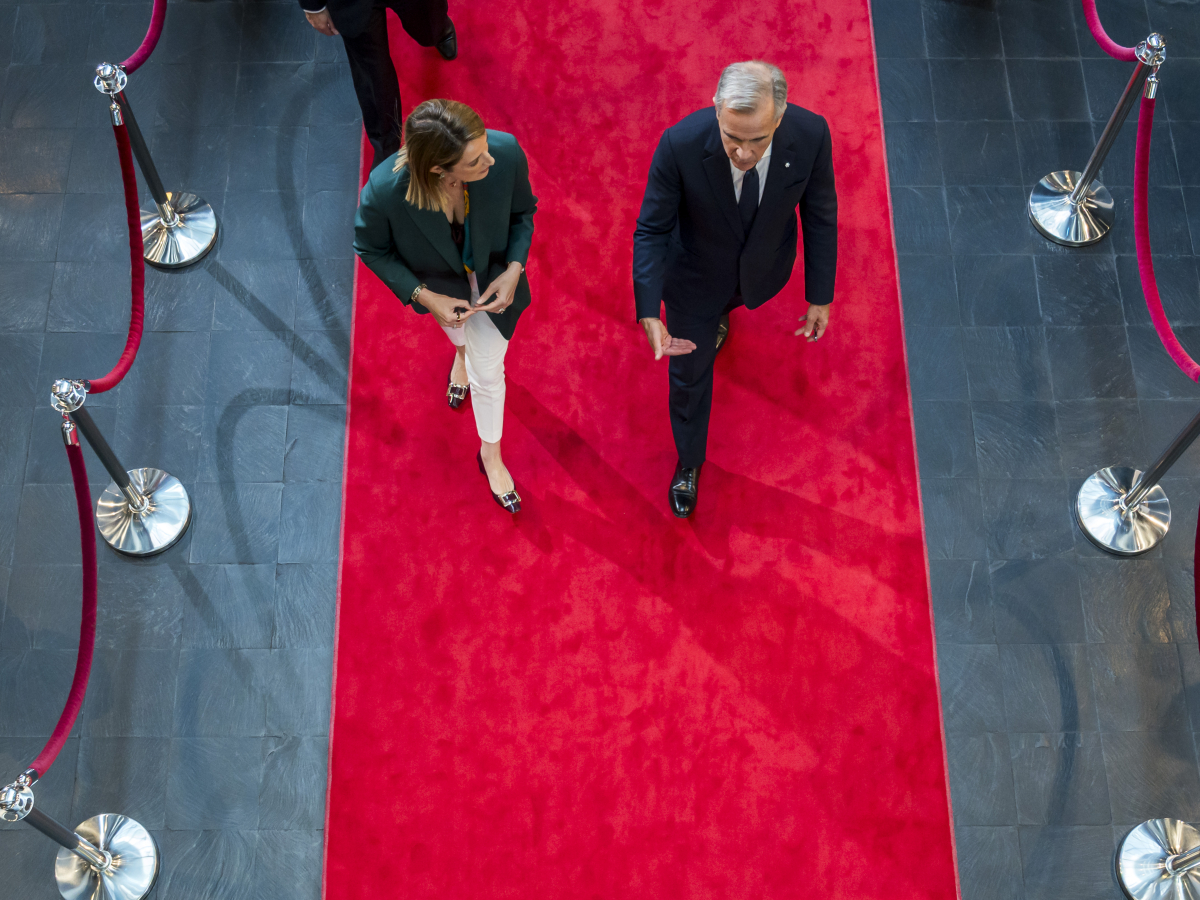
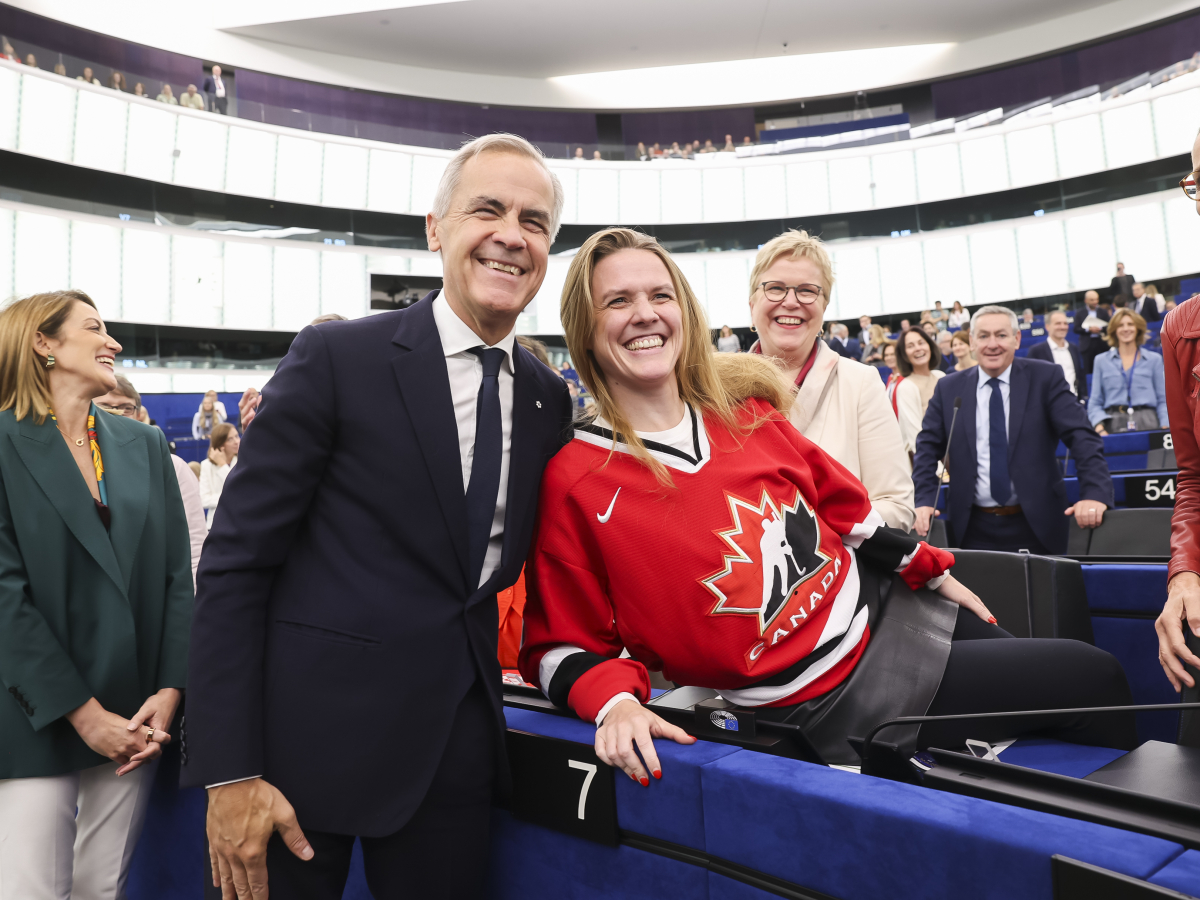
When questioned about the legitimacy of this decision by the German, the President of the European Parliament, Roberta Metsola, expressed her hope that the applause received by the Canadian after his intervention in the plenary would translate into votes in the different parliamentary committees. In fact, the President of the Parliamentary Committee for Relations with Canada, the socialist Javier Moreno, welcomes the offer. "I think it is a good proposal to take a step further in our relationship. The announcement has a significant political and symbolic dimension," he stated this Thursday. However, he asks for "concrete actions" to accompany the gesture, "such as energy, critical raw materials, and Artificial Intelligence."

Something similar to what Metsola expressed was indicated by Carney when he assured that he would take this new relationship "to several debates" in his own national Parliament. However, the European Union does not wait and wants to accelerate each of the details of the window of opportunity that is now opening up.
Calviño heads to Ottawa
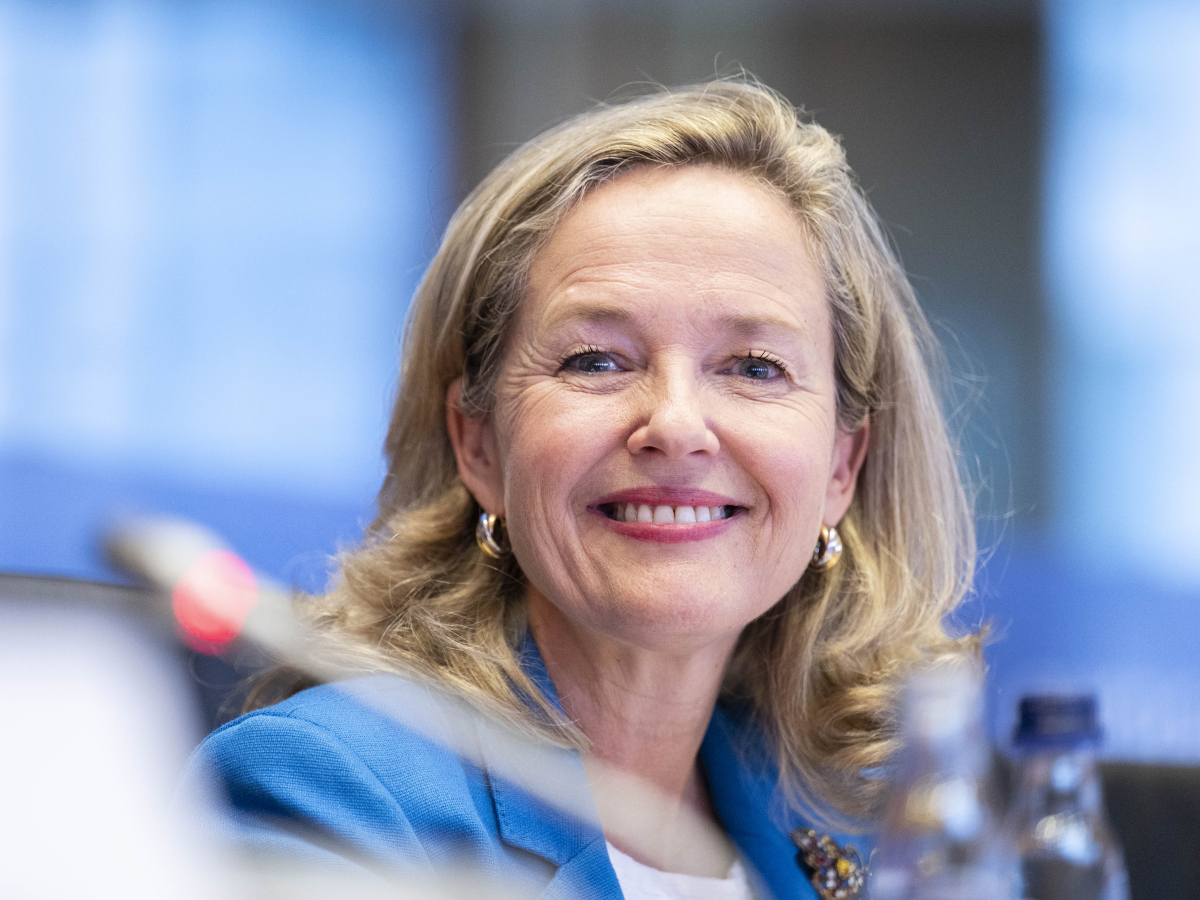
In this sense, DEMÓCRATA has been able to confirm that the President of the European Investment Bank, Nadia Calviño, will travel this very weekend to Ottawa. The Spanish will hold various meetings with the authorities of the country. Among the agenda of meetings, the appointment with the Canadian Minister of Energy and Natural Resources, Tim Hodgson, stands out.
Von der Leyen announced on Wednesday a new European Corporation for Critical Raw Materials. "It will help us obtain and store what we need: for electric cars, chips and batteries, clean technology, defense, and much more," she explained. The objective of the trip, they explain in Calviño's team, is "to have a presence there and start operations as soon as possible". Members of her cabinet acknowledge in conversation with this medium that there is "a particular focus on critical minerals."
Carney has already offered Europeans the deposits of more than thirty-four critical minerals that his country has. Ottawa is among the top producers of the ten most essential for the global energy transition. "Our alliance can help meet Europe's need for a reliable supply, Canada's need for advanced processing capabilities, and our common goal of building complete value chains," expressed the Prime Minister.
Calviño will take advantage of her visit to advance in a "administrative agreement" that regulates the presence of the European Investment Bank in the country, "in line with the bank's practice." Currently, the financial institution operates in European territory, as well as in the countries of the European Economic Area and in developing countries. The president's team points out that "it would be the first time that the EIB operates in an industrialized country". "The fact that it is Canada is a sign of the importance of the relationship between both powers," the same sources indicate.
An integrated financial services market
In fact, Carney also brought up the idea that "Canada and Europe should explore the creation of an integrated financial services market". The objective of the measure would be to expand the offer and reduce costs for citizens, as well as "improve access to capital for businesses while maintaining world-class financial resilience." "Canada brings one of the most solid banking systems in the world and the most experienced pension capital," celebrated the leader in his speech before the European Parliament.
From the European Commission, they state that "in these difficult times, it is vital to strengthen and raise our relationships with key partners around the world". Currently, the relationship with Canada is articulated around two agreements mainly. On one hand, the Strategic Partnership Agreement (SPA) organizes political, diplomatic, security, justice, and global affairs cooperation, and on the other hand, the CETA regulates a large part of the trade in goods and services. This last agreement eliminates approximately 99% of tariff lines between the EU and Canada. Von der Leyen wants to go a step further than CETA, "towards a Partnership for the Future", Canada "appreciates this ambition."
Carney does not want a "third bloc to become a rival to the great powers, just with better manners". He does not want "the power to dominate others." He seeks to serve as the captain of the ship of those who will create "the next fair, stable, and prosperous world order".
A ship "strong enough so that no one can dictate our choices." "Let us grow a transatlantic forest under which our citizens can prosper as a free people on free soil," he said before a Parliament that did not wait to give him a standing ovation upon finding its new oracle.
And, on that path, Carney also left one of his greatest warnings: "Perfection is the enemy of the good."