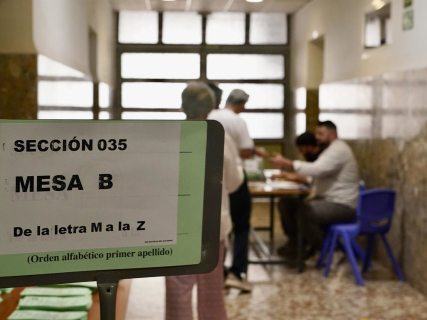

The electoral roll for the general elections on the upcoming November 29 is already available for consultation since this Monday, October 12. Citizens can check if they are correctly registered, verify their personal data, and request the correction of possible errors that may affect their right to vote. The deadline will remain open until Monday, October 19, inclusive, a date especially important for those who have changed their residence, detect any irregularity in their data, or want to ensure that they will be able to vote without incidents.
According to data from the National Institute of Statistics (INE), a total of 38,728,356 Spaniards will be able to participate in the general elections on November 29, of which 35,958,711 reside in Spain and another 2,769,645 live abroad. The call, which comes after the early dissolution of the General Courts, also includes 1,615,127 citizens residing in Spain who will be able to vote for the first time in a general election, having turned 18 since the previous elections on July 23, 2023.
The opening of the consultation period constitutes one of the first fundamental procedures of the electoral calendar. Although the majority of citizens are automatically registered in the roll, errors in the address, the absence of registration, or the existence of incorrect data can cause problems on voting day. For this reason, it is advisable to review the information during the enabled period, especially when recent administrative changes have occurred.
How to consult the electoral roll for November 29 online
The quickest way to check registration is to access the Electronic Headquarters of the National Institute of Statistics, where the consultation service for the roll corresponding to the general elections on November 29 is enabled. To access personal data, the citizen must identify themselves through the Cl@ve system, which allows them to verify their identity through the electronic mechanisms accepted by the Administration.
Once inside the service, the voter can check their electoral registration data, as well as the information available about the polling station and the location where they will be voting. The consultation is personal and allows verification that the registration corresponds to the administrative situation that must be taken into account for the upcoming elections.
Citizens who do not have electronic identification can also check their data in person at their town hall or at the provincial delegations of the Electoral Census Office. In the case of Spaniards residing abroad, the review can be done through the corresponding consular offices. In addition, the INE has a free phone 900 343 232 to address inquiries related to the census and electoral procedures.
Until October 19 to claim errors in the census
The 19th of October will be the last day to submit claims for omissions or errors detected in the electoral registration. During this period, citizens can request the correction of their data through the INE Electronic Headquarters, using Cl@ve, or go in person to the authorized bodies for this procedure.
Claims may be related to incorrect personal data, registration problems, or changes of residence that must be legally incorporated into the electoral census. For processing, it may be necessary to provide an updated certificate of registration or, in the case of residents abroad, the corresponding documentation from the Consular Registration.
The Electoral Census Office will be responsible for studying the requests and resolving them according to current regulations. The official calendar establishes that claims will be resolved between October 12 and October 22, while on October 23 the resolutions will be displayed in town halls and consulates. Citizens who do not agree with the decision may appeal it before the contentious-administrative jurisdiction within the established deadlines.
What happens if you have changed your address before the elections
One of the aspects to keep in mind is that the electoral census used in the general elections on November 29 was closed on August 1, 2026, incorporating the movements communicated by town halls, consulates, and civil registries until July 30. This means that changes of residence made after that date are not automatically incorporated into the census used in this call.
For example, a person who has changed their registration to another municipality during August or September may have to vote in the municipality where they were previously registered, even if they are already residing in another locality. The same situation may affect those who have changed their address within a city and have been assigned a different polling station than the one that would correspond to their current address.
Therefore, being registered at a new address does not necessarily mean that this is the one that appears in the census of 29N. The regulations establish a closing date and limit the modifications that can be made during the electoral period, so it is important to review the information before requesting a correction.
More than 2.7 million Spaniards will be able to vote from abroad
The elections also call 2,769,645 Spanish citizens residing in other countries, registered in the Electoral Census of Absent Residents (CERA). This group can check their data at the consulates during the same period, from October 12 to 19, or use the electronic procedures enabled by the INE. The number of residents abroad is relevant in constituencies with a high volume of emigrants, such as Galicia, Madrid, or Barcelona.
Since the abolition of the so-called requested vote, voters registered in the CERA do not need to request documentation in advance to participate. The Electoral Census Office sends it automatically, although there are also options to download ballots and cast votes at consular offices and authorized centers. The calendar includes from November 21 to 26 to cast the vote in a ballot box abroad, according to the procedures established for these voters.
Vote by mail and census card: the dates you need to know
Checking the registration is equally important for those who plan to vote without attending their polling station in person. The deadline to request a mail-in vote from Spain is open from October 6 and extends until November 19, both through the Correos page with electronic certification and in person at an office. Those who have requested a mail-in vote will not be able to vote in person at the polling station afterwards.
The INE will begin to send the census cards starting on November 2. They will include the information of the polling station and the electoral college assigned to each voter. However, the card is informative and does not replace the need to verify census data, especially when a discrepancy is detected or the communication is not received at home.
Additionally, citizens who do not wish to receive advertising from political parties by mail can request their exclusion from the copies of the census used for sending electoral propaganda. For it to take effect in the elections on November 29, the request must be made by October 19, also through the services of the INE or the authorized bodies.
An electoral calendar that is already underway
The census consultation opens one week after the publication of the electoral call, on October 6, and constitutes one of the first decisive deadlines before Sunday, November 29. The electoral campaign will officially begin on November 13 and will end on the 27, before the reflection day on Saturday the 28th.
With more than 38.7 million voters called to the polls, reviewing the registration during these days allows anticipating incidents and avoiding last-minute management. The key date is October 19: after that day, the specific deadline for claims to the census for these elections will end, although the electronic consultation of electoral data will remain available during the electoral process.