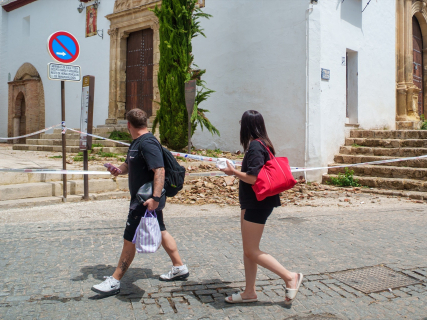
This Tuesday, a earthquake of magnitude 4.8 has shaken Granada and its metropolitan area. The quake, recorded at 10:37 AM, was felt with particular intensity in the capital and in nearby municipalities such as Alhendín, Gójar, Armilla, and Churriana de la Vega. The main movement was accompanied by several aftershocks and caused cracks in buildings, falling facades, and debris in different parts of the city. Numerous neighbors and visitors have taken to the streets and squares due to the succession of tremors.
The Junta de Andalucía has reported three people with minor injuries, including a minor taken to a hospital. The emergency service 112 has received more than 500 calls related to incidents, inquiries, and requests for assistance. As a preventive measure, several heritage spaces and public buildings have been closed or evacuated. Among the affected places are the Cathedral of Granada, the Nasrid Palaces, and the Alcazaba of the Alhambra, while technicians review possible damages.
The National Geographic Institute places this episode within a seismic series that began on August 14 in the vicinity of Alhendín, Gójar, and La Zubia. Up to its latest report, the agency had recorded 432 movements, most of minor magnitude.
The earthquake, photo by photo; video by video
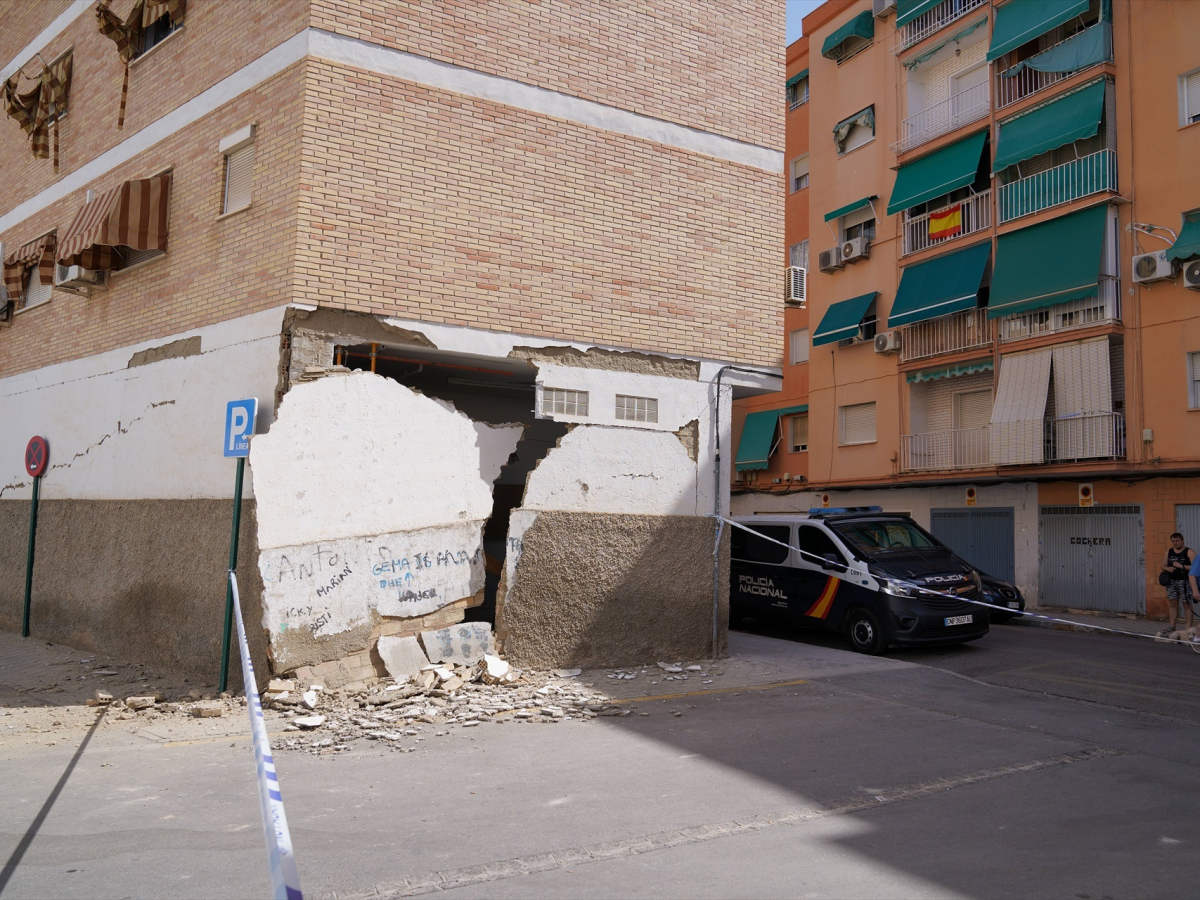
The earthquake has caused the partial collapse of the outer wall of a residential building in Granada, leaving large cracks and debris on the sidewalk. The National Police has cordoned off the area. The earthquake has caused the detachment of facades, cracks in the building, and falling debris onto the public road.
DEMÓCRATA has published on the platform X a video during the moment of the earthquake:
🚨A new and strong earthquake shakes Granada and its metropolitan area again.
— demócrata (@democrata_info) August 18, 2026
A new and strong earthquake, followed by some aftershocks, has shaken Granada and its metropolitan area again this Tuesday. With a magnitude of 4.7, it has been widely felt by the population, so… pic.twitter.com/KejpUl14U2
The firefighters intervene on a street in Granada after the earthquake, where branches and debris are scattered on the roadway. The area remains cordoned off to ensure the safety of residents and vehicles. In the image, Primavera street appears, at the height of number 22, in the Zaidín neighborhood where the fall of branches and fragments on the public road is appreciated.
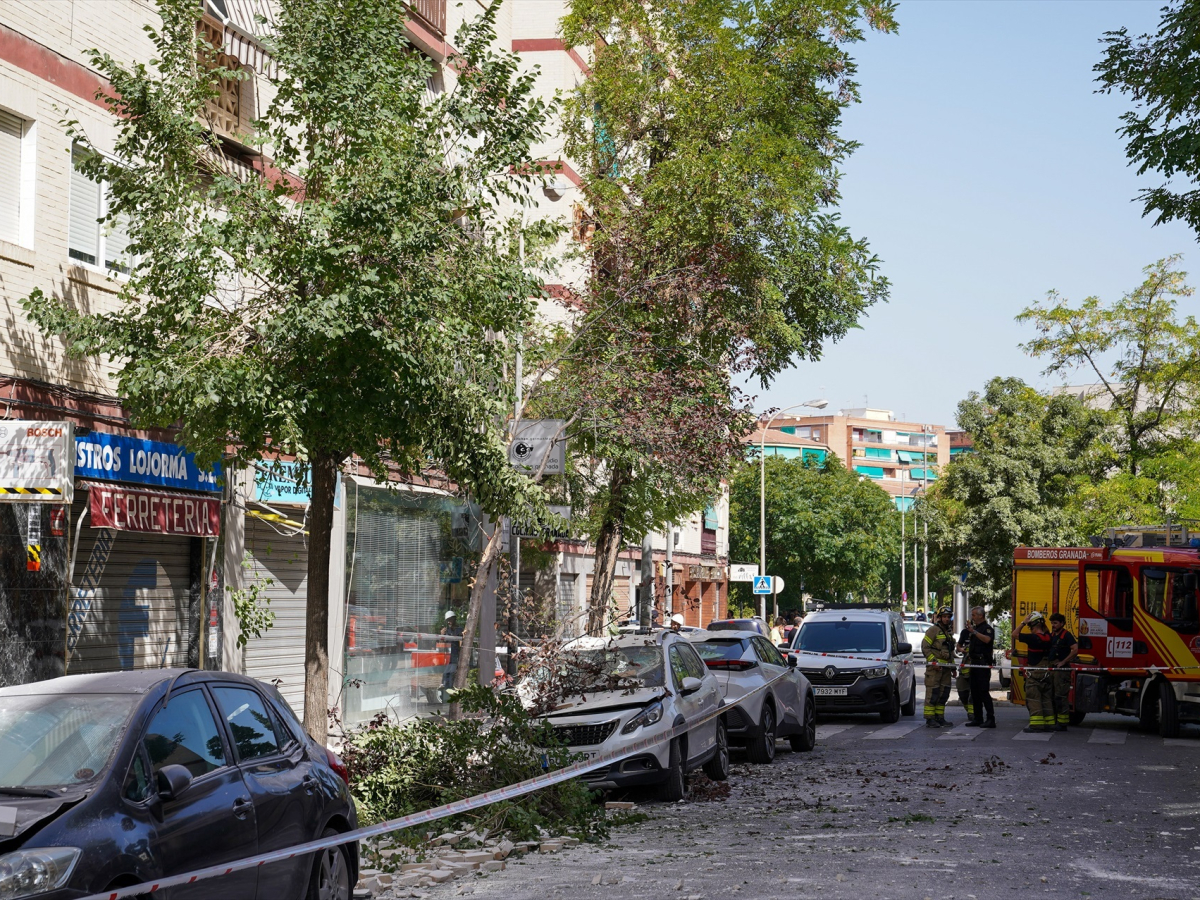
Image of the damage caused by the earthquake of August 18, 2026 in Granada - Europapress
Europapress has published a video on the X platform about the damage caused to the chimney of the exhibition fair in Armilla, in Granada:
Neighbors of Granada record the damage that has occurred in the chimney of the exhibition fair in Armilla after the strong earthquake: "It is cracking" https://t.co/H005fqBXhz pic.twitter.com/g9bHhQu0vG
— Europa Press (@europapress) August 18, 2026
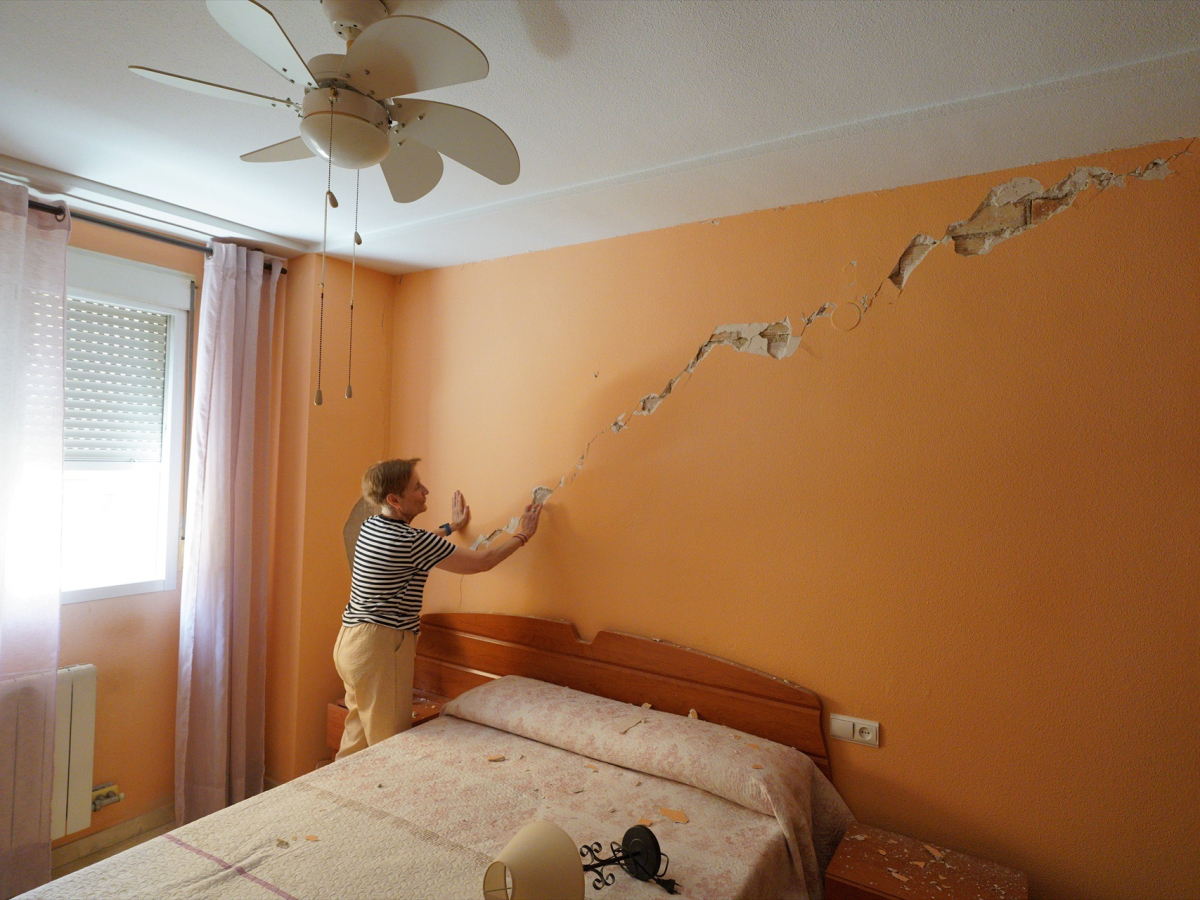
A neighbor shows the large crack that the earthquake has opened in the wall of a bedroom in Granada. The tremor detached part of the cladding and left debris on the bed.
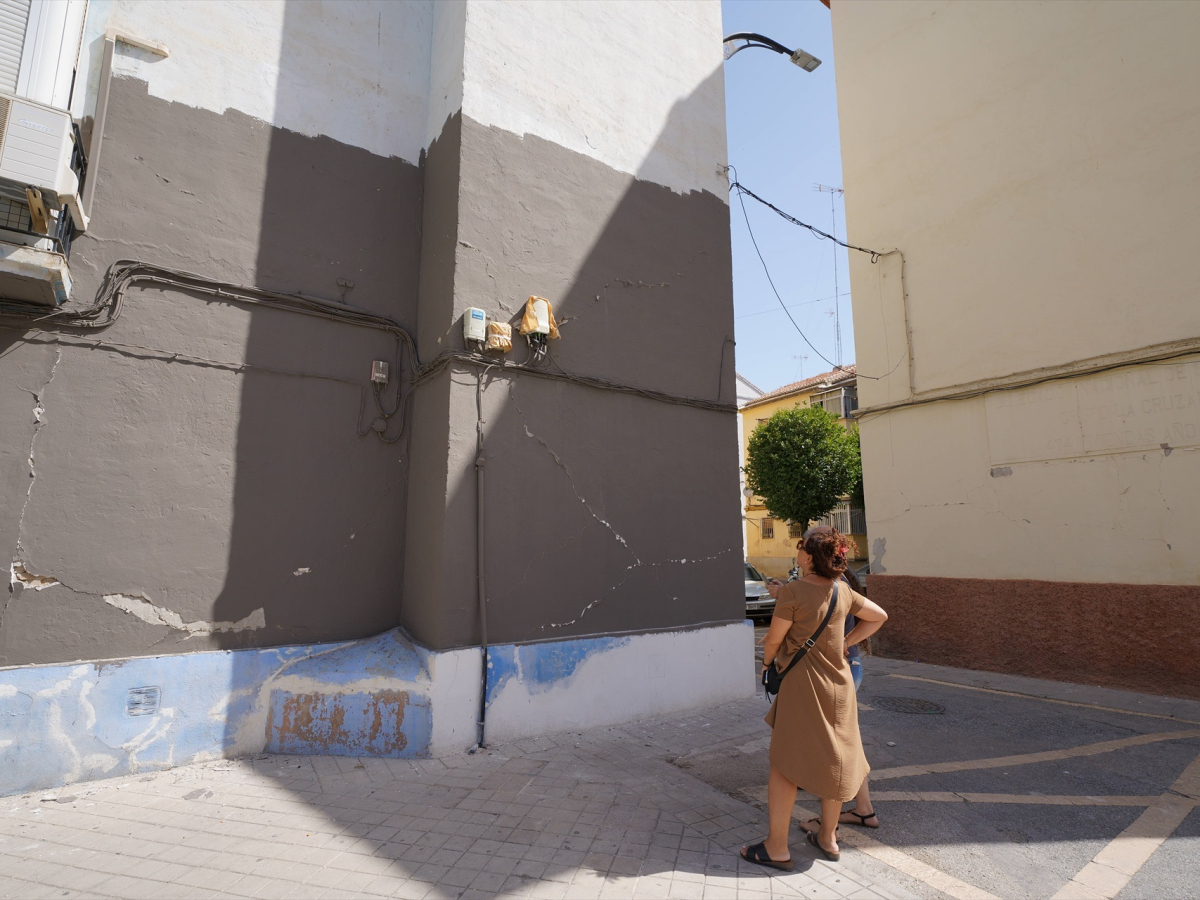
Two neighbors observe the cracks that the earthquake has caused in the facade of a residential building in Granada. The fissures cross several sections of the wall and have detached part of the exterior cladding.
Europapress has also published a video on the X platform about the eviction carried out by the Civil Guard of some neighbors of Granada:
Five buildings evacuated due to fissures in pillars and structural damage in Las Gabias (Granada) after the earthquake of magnitude 4.7 https://t.co/B9cZ74N2Np pic.twitter.com/NyWlxgjFk2
— Europa Press (@europapress) August 18, 2026
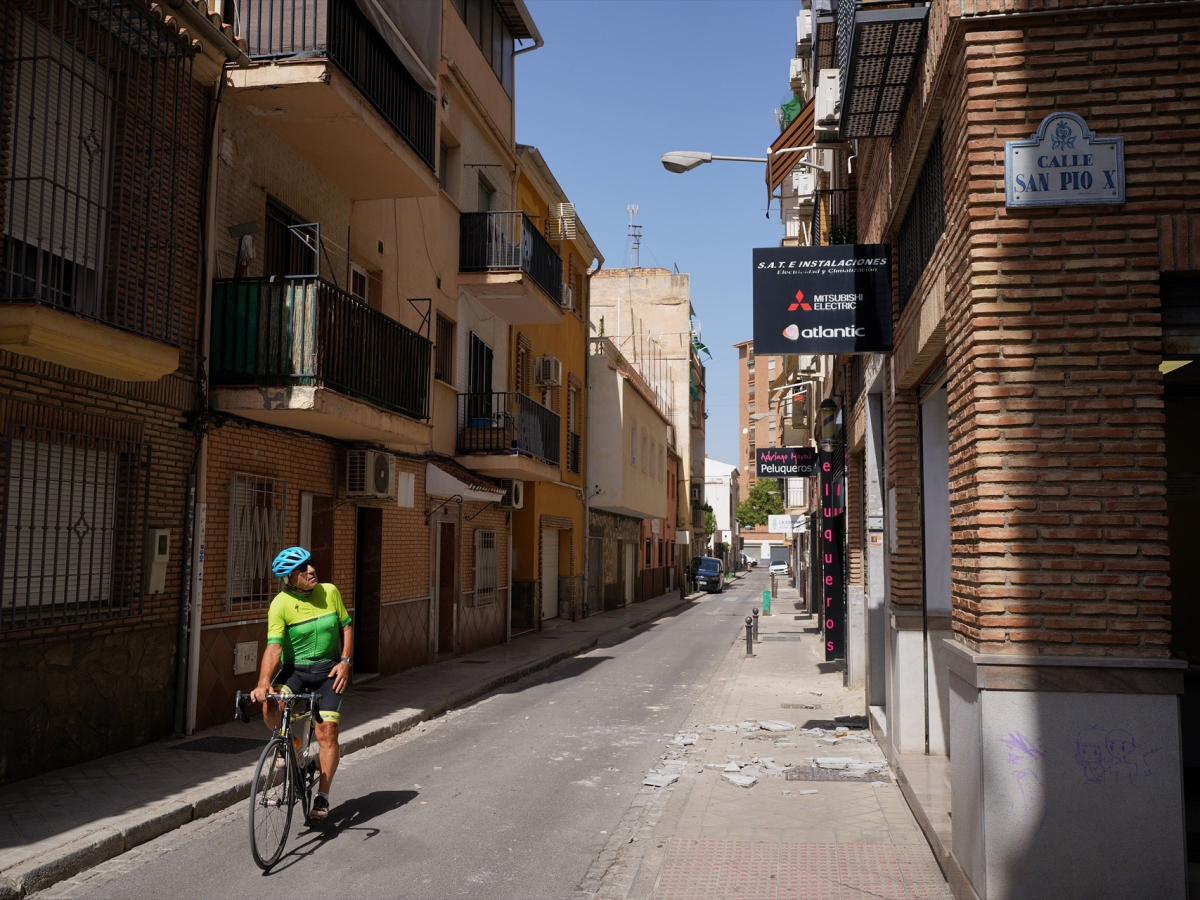
A cyclist crosses San Pío X street, in Granada, where the earthquake has caused landslides and left debris on the sidewalk.
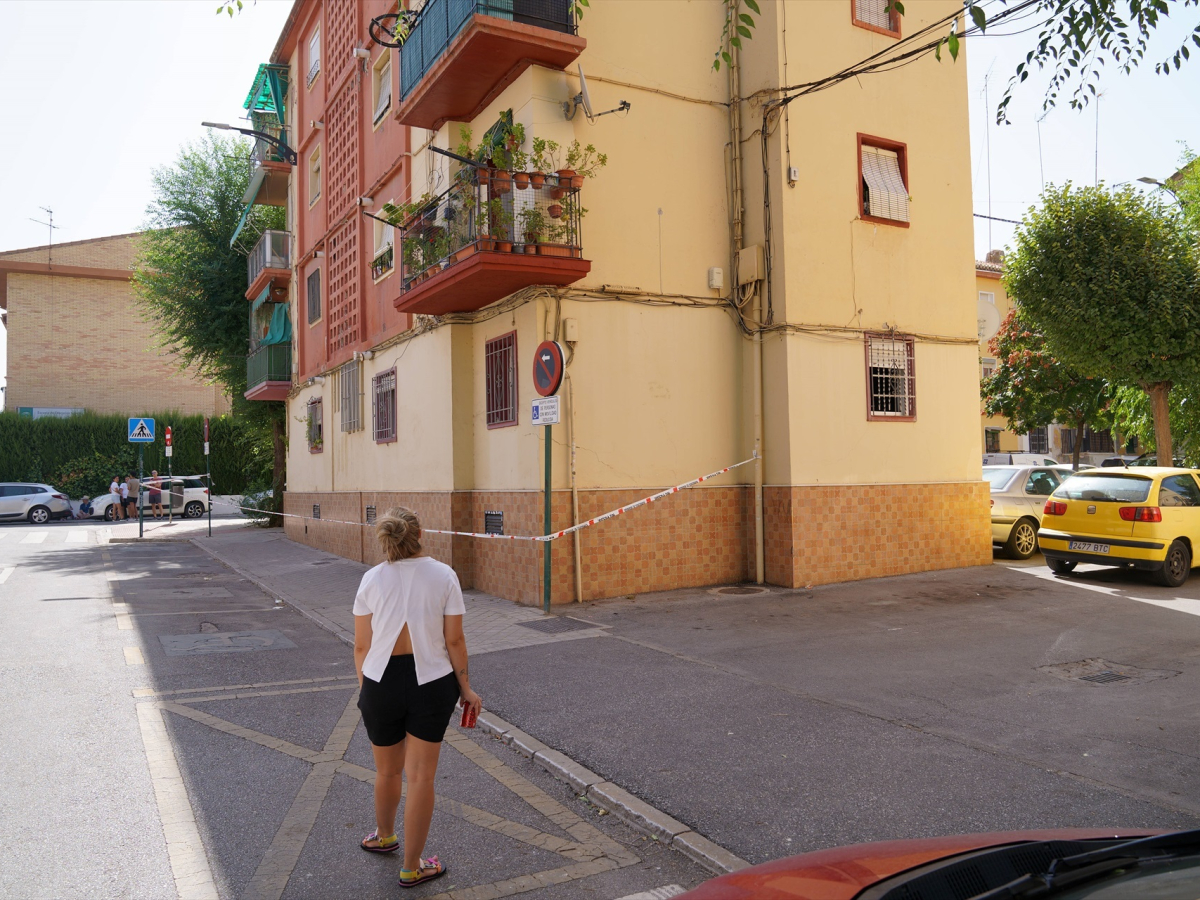
A neighbor observes a cordoned-off building in Granada after the earthquake, which has caused cracks in the facade and forced the restriction of passage for precaution.
Europapress has also published the video of the damage caused by the earthquake in Granada:
🔴 Destroyed cars, fallen awnings, and damage to facades and urban furniture: a new earthquake of magnitude 4.7 shakes Granada https://t.co/H005fqBXhz pic.twitter.com/Sj89Q4HQOG
— Europa Press (@europapress) August 18, 2026
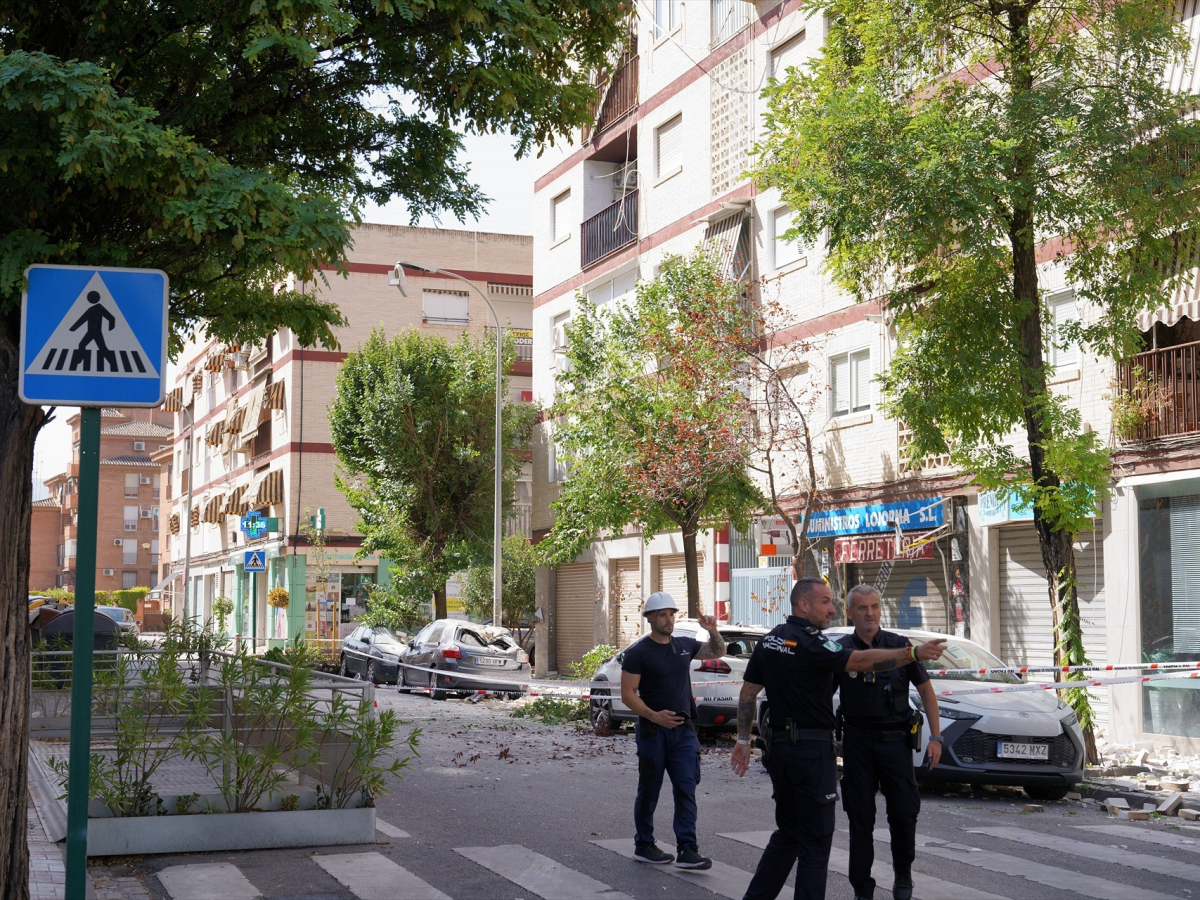
Agents of the National Police and emergency personnel inspect a street in Granada cordoned off after debris fell onto the sidewalk and several vehicles.
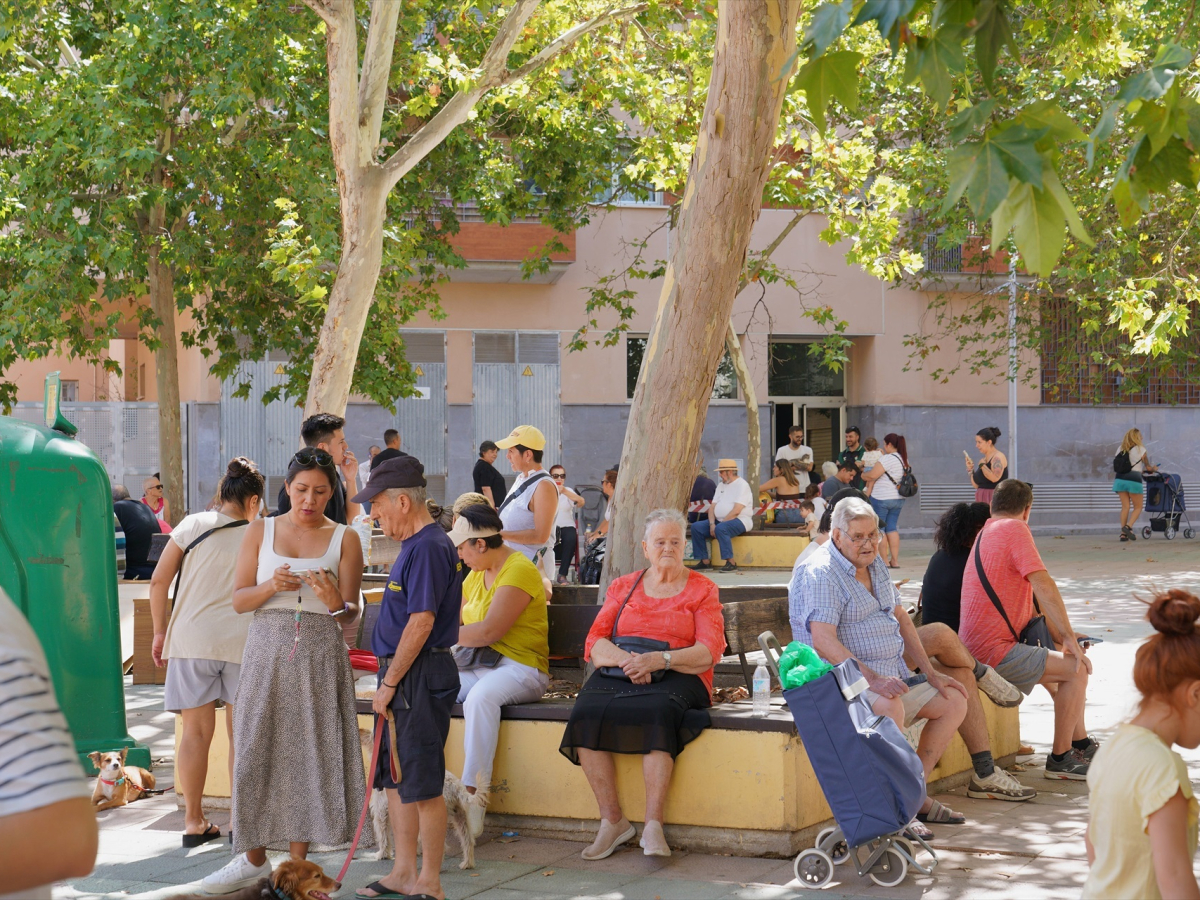
Neighbors of Granada remain in a square after the earthquake due to fear of new tremors and possible damage to their homes.
Europapress has captured the moment of the earthquake experienced inside several homes in Granada:
This is how the new and strong earthquake in Granada was experienced inside the homes: the cameras of several households captured the exact moment of the earthquake https://t.co/uy05sYFpmM pic.twitter.com/5DnKBTJ2gk
— Europa Press (@europapress) August 18, 2026
The Junta de Andalucía has ordered the closure of the Alhambra as a precaution
This afternoon, the Junta de Andalucía announced on platform X the closure of the Nazaríes Palaces. It has also ordered their evacuation due to seismic activity:
The Alhambra, under review after seismic activity
— Alhambra de Granada (@alhambracultura) August 18, 2026
After the earthquake of magnitude 4.6, the evacuation protocol was activated in the Alcazaba and access to the Nazaríes Palaces was suspended. At 11:45 a.m., the evacuation of the Generalife and the gardens was also completed...
Why are earthquakes being felt more frequently?
Granada is located in an area of high seismic activity due to the approach of the African and Eurasian plates, which move between four and five millimeters per year, according to the University of Granada. This pressure accumulates tension in the faults and can cause successive movements when the energy is released.
The National Geographic Institute has recorded 432 earthquakes since August 14, although only 45 were felt by the population. Their shallow depth, less than ten kilometers, explains why some tremors have been felt with particular intensity.
