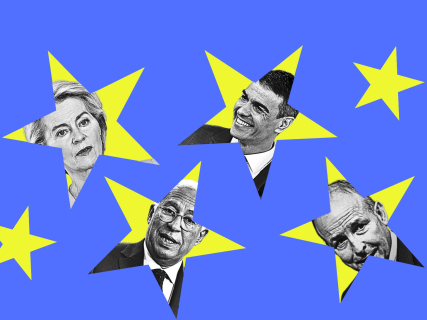

"Nothing is agreed until everything is agreed," diplomats in Brussels repeat before each European Council. However, this time, the community capital seems far from being able to pronounce the second part of the maxim. The drafts of the conclusions of the meeting this Thursday and Friday, consulted by Demócrata, avoid delving into the main negotiations that will take place when the heads of state and government of the Twenty-Seven sit at the table.
A summit that will last for two days to try to address each of the open fronts. "We are breaking one of the rules we had from the beginning," a senior European official jokes about the expected duration of the meeting. The capitals arrive with their weapons sharpened for each of the files that will be discussed. None are, for the moment, close to reaching a consensus, so diplomats expect the conversations to drag on or end with a usual response in the house: "We will return to the topic soon."
Featured story
This is the Irish cut to the European budget: less cooperation and fewer officials.
6 minutes
Mainly, there are two issues that have stalled in recent days on the agenda of the leaders of the bloc: the Multiannual Financial Framework (MFF) and the trade relationship with Beijing. Added to this is the migration debate, in which Spain will seek the support of its partners in light of the crisis in Ceuta.
The calendar of Costa clashes with budgetary reality
The intention of the President of the European Council, António Costa, was to close an agreement on the community budget for the next seven years before the end of the fiscal year. An objective that seems difficult to fit into the real calendar of European negotiations. Even more so after the proposal prepared by the Irish Presidency as a starting point for the conversations was revealed, which introduces a cut of 8% compared to the initial plans.
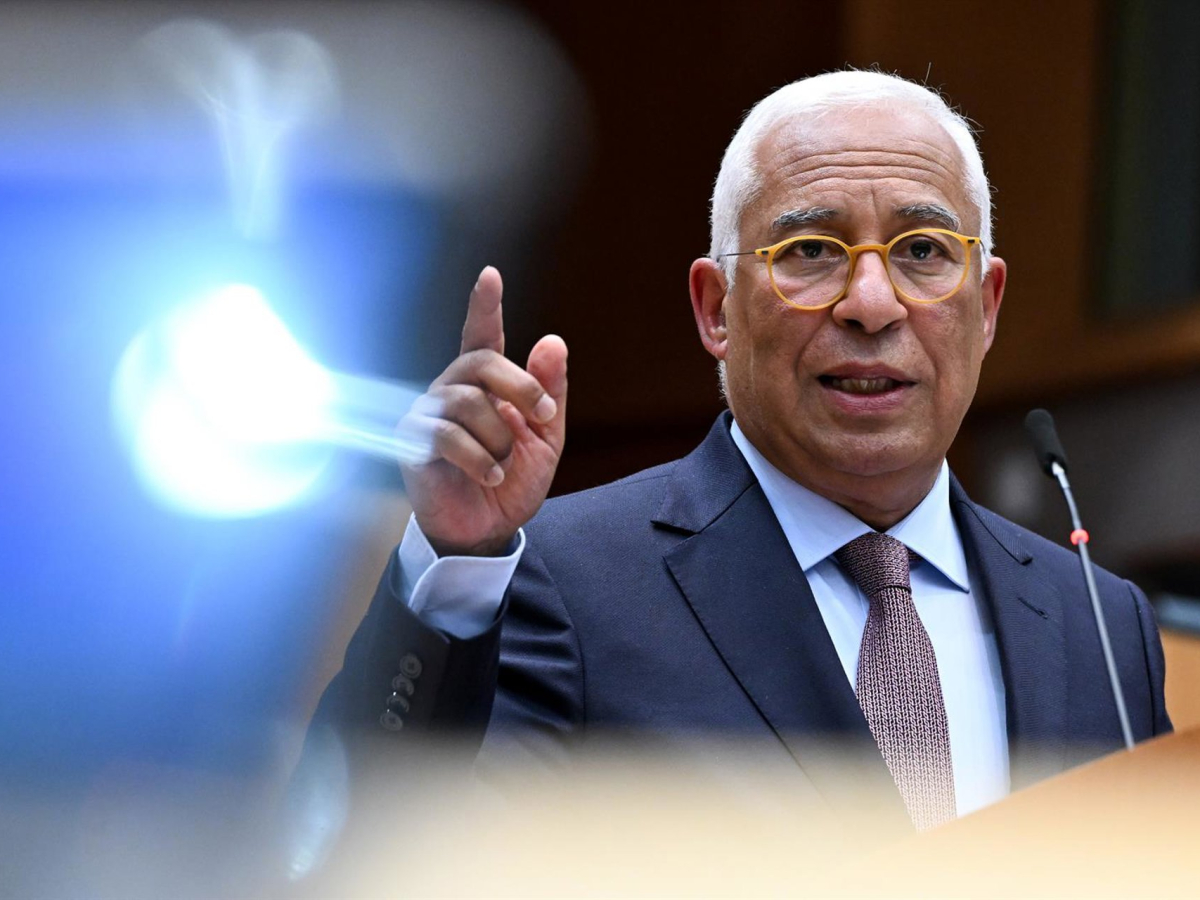
"We will see how the debate goes, the objective remains the same," they acknowledge from Costa's team. At first, it does not seem easy for the capitals to come closer on the approximately two trillion euros at stake. "It is a long negotiation," explains a source present at the preparatory conversations. The environment of the President of the European Council downplays the recent public confrontations between the two differentiated blocs on this file.
Featured story
How to follow the game between countries of the European budget without ending up in checkmate
8 minutes
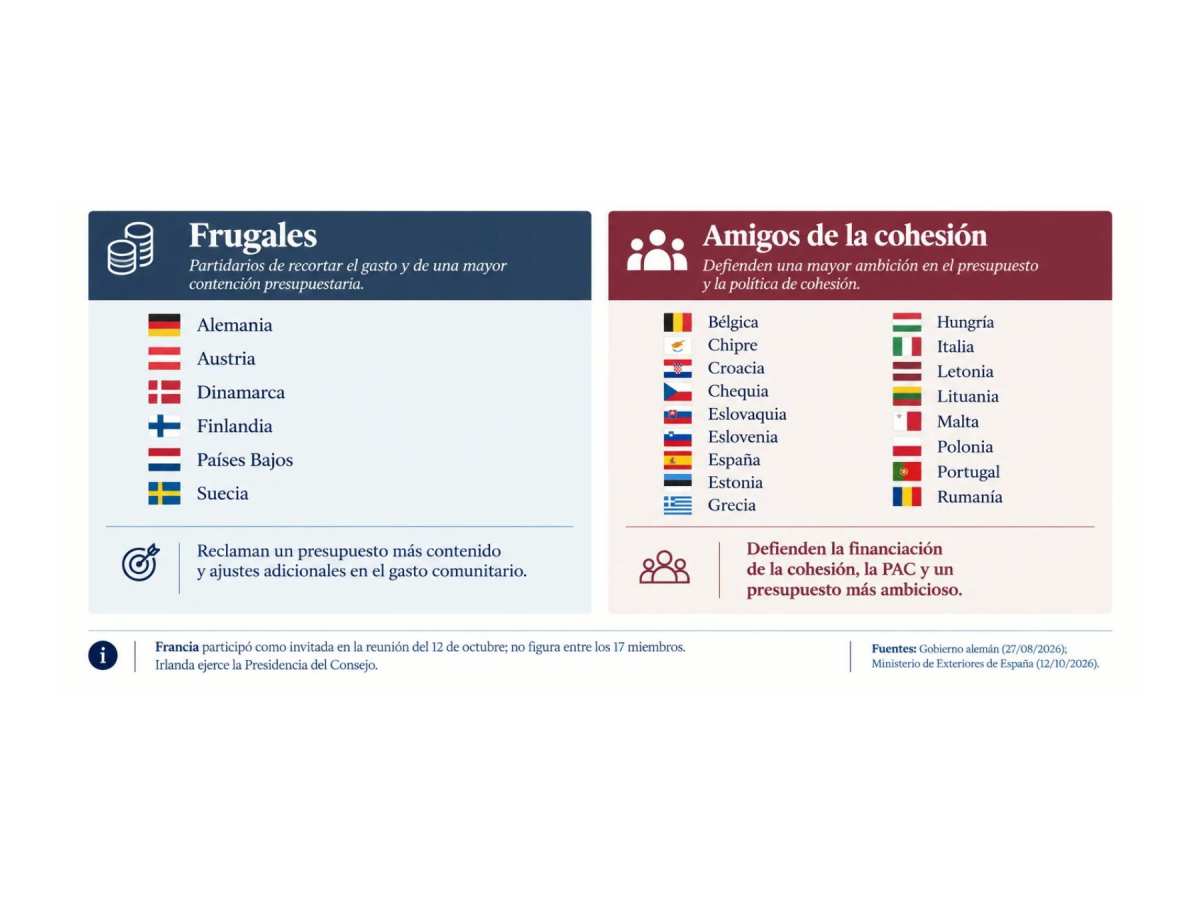
On one hand, the so-called frugal ones, led by Germany, supporters of introducing even greater cuts. On the other, the friends of cohesion, among whom is Spain, who demand "more ambition" for the next financial framework. Costa is convinced that, despite the public frictions, there is some consensus on the need to advance in the negotiation. "He himself will take on the negotiation from now until the end of the year, and we will see what he manages to conclude," diplomatic sources defend.
However, the documents consulted by Demócrata reflect that from the meeting, hardly any concrete conclusions about the budget will emerge, beyond the commitment to continue negotiating. What the Portuguese leader hopes is to be able to "draw his own conclusions" from the exchanges between the leaders to guide the work that must be developed from now on.
Own resources, the next battlefield
One of the main open issues is precisely that relating to the new own resources of the European Union. That is to say, the sources of income intended to finance the community budget and reduce dependence on national contributions. The Portuguese had set as a goal to focus a good part of this week's discussion on this chapter. "A lot of work is needed on the various proposals for own resources," responds a community source.
But what are those proposals? The positions vary considerably between capitals. One of the delegations that has shown its cards before the meeting has been the one led by Emmanuel Macron. France proposes to introduce new levies on large technology companies as one of the ways to strengthen the financial capacity of the Union.
This is where the Spanish Government comes into play. Moncloa wants own resources "new and genuine", capable of generating additional income for the European budget and that, moreover, are fair in their distribution. Voices from the core of President Pedro Sánchez convey that, in this sense, the Irish proposal is "quite timid." The socialist Executive will defend in the room its rejection of the Presidency's proposal, arguing that it does not respond to "what Europe needs." Spain feels legitimized to demand a more ambitious budget because, in the new financial chapter, it will become part of the group of net contributors.
The Spanish delegation considers that the only way to strengthen the budgetary capacity of the Union without requiring additional effort from the capitals is to put on the table new European tax figures. A discussion that, therefore, is not limited to the total volume of the MFF, but also affects the architecture of its financing.
Germany demands adjustments and Italy rejects an agreement at any price
At the opposite end is Berlin. "We are still far from an agreement. The magnitude of the new proposal is not a reason for consensus. The EU budget must be affordable for those who bear most of its financing," expressed this week the German Chancellor, Friedrich Merz.
Germany leads, along with the Netherlands, the block of the frugal, which advocates for "making the necessary adjustments" under the premise that "modernizing EU spending is a task that concerns us all." Despite usually agreeing in Brussels on positions regarding issues like migration, on this matter the Italian Prime Minister, Giorgia Meloni, disagrees with the German Chancellor.
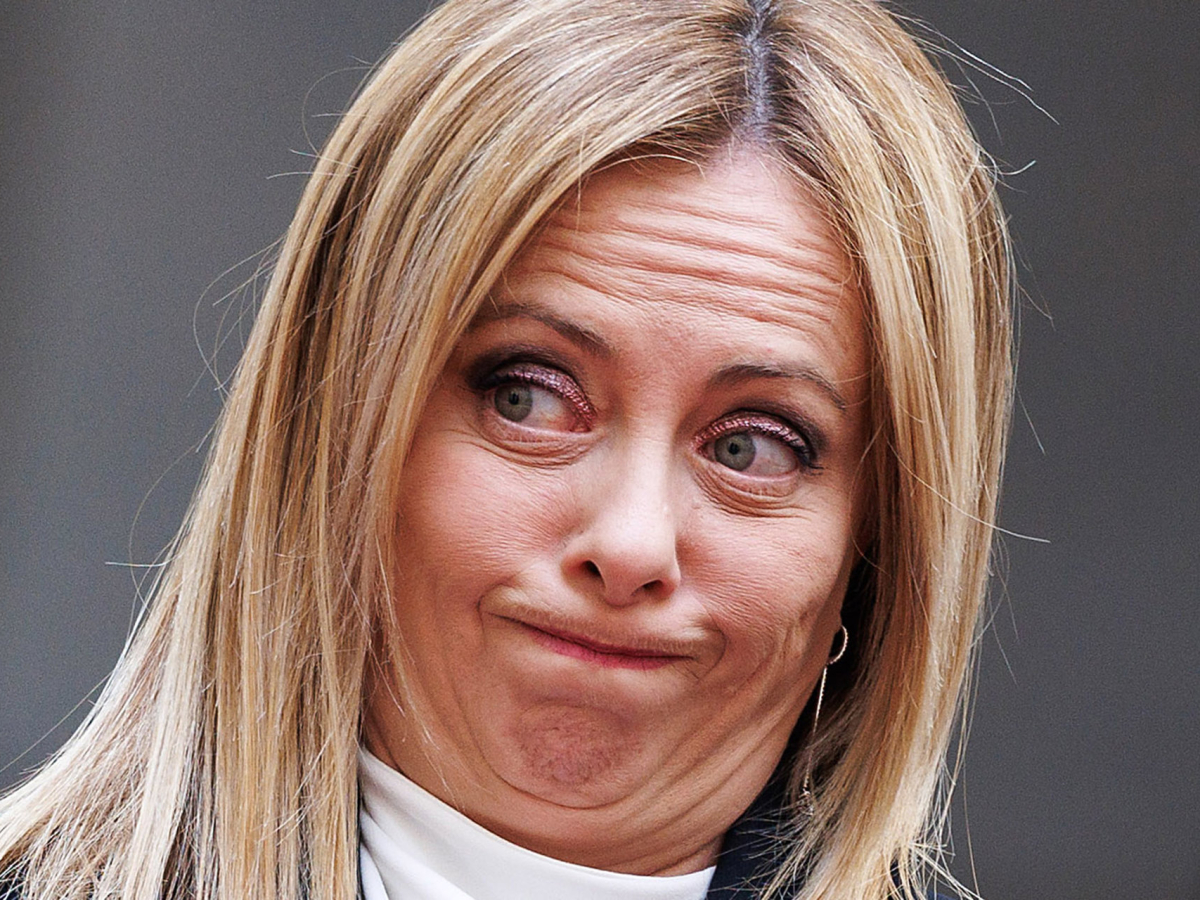
"The date cannot be more important than the content", stated the Italian leader before the Senate of her country. Rome warns that it will not sign an agreement that is not advantageous solely to meet a previously established deadline. The discrepancies are not limited, in any case, to the capitals. In the European Parliament, where the next financial framework will need to obtain the consent of the Eurochamber, the main political families have found a point of understanding regarding the Irish proposal.
The presidents of the European People's Party, the Socialists, the Liberals, and the Greens signed a joint statement just one day after learning the content of the proposal. In it, they rejected the text considering that "it cannot constitute a basis for the Parliament's consent to the next MFF."
The four families justify their opposition by stating that the community budget is proposed to be cut precisely "when Europe is being asked to do more." A warning that introduces another difficulty in the negotiations: even if the Twenty-Seven manage to narrow positions, the result must subsequently pass the parliamentary filter.
China: a first agreement that does not close the trade file
The other major dossier that leaders are closely monitoring is related to the trade dialogue with China. During the summer, capitals asked the European Commission to accelerate negotiations with Beijing in order to present progress during this month of October.
Featured story
The EU buries the hatchet with China: opens the door to reduce hybrid exports by 50%
5 minutes
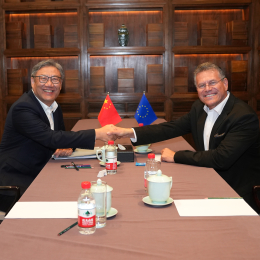
The president of the community executive, Ursula von der Leyen, will arrive at the meeting with a first result on the table: the agreement reached by Commissioner Maroš Šefčovič to halve exports of Asian vehicles. "This is just a first step," warn diplomats in Brussels.
The truth is that two approaches coexist within the Union. On one hand, the willingness to harden the European trade position against Beijing; on the other, the need to preserve dialogue and avoid new measures from worsening tensions between the two economic powers. "What the leaders will do now is examine the state of the situation," explains a senior European official. From the community executive, however, they emphasize the progress made: "We have clear results, dialogue with China is one of them."

The Twenty-Seven will now ask that work continues on new instruments based on the understanding reached. The goal is to advance a European response to trade imbalances and their consequences for the competitiveness of the community industry.
"We will provide more guidance on the fundamental work being done to reduce global macroeconomic imbalances that are affecting the European industry," Costa stated in a letter sent to his counterparts before the meeting. The debate will therefore allow measuring to what extent there is a shared position among member states on the strategy that Brussels should follow towards China, beyond the initial results of the bilateral negotiation.
Ceuta places Spain back at the center of the migration debate
Another of the conversations that will directly involve Spain in Brussels will be related to the migratory crisis in Ceuta. The capitals are preparing to approve a paragraph of conclusions about what happened in the autonomous city, in which European solidarity with the territory will be expressed and its singular situation will be recognized.
The debate comes after, during the last meeting of this kind, Pedro Sánchez clashed with Giorgia Meloni and with the Danish Prime Minister, Mette Frederiksen, regarding the regularization of migrants promoted by the Spanish Government. Now, Moncloa defends that the figures support its position and does not shy away from confronting its arguments with those of the other community partners if the issue is reopened during the conversations.
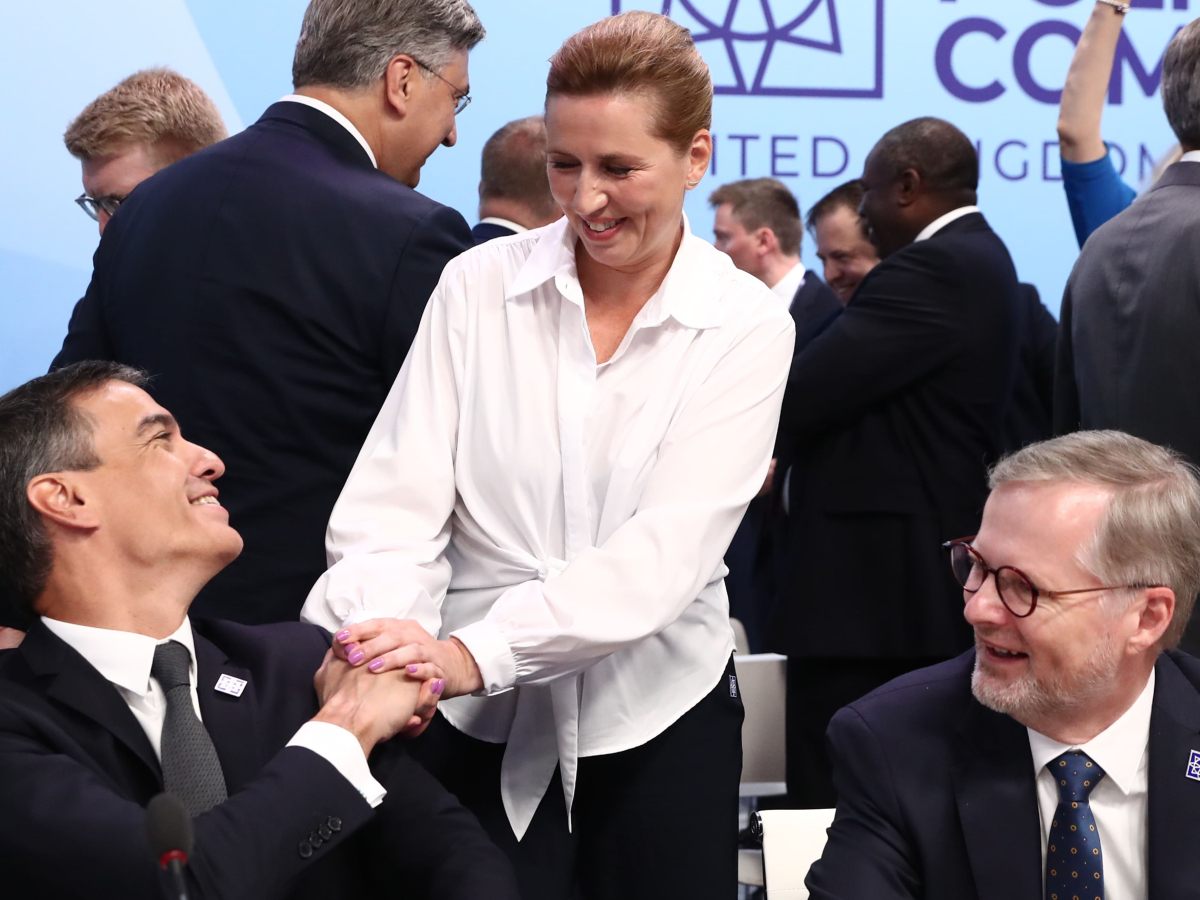
The meeting will thus serve to check if the Twenty-Seven are capable of conveying a common position on the main files they have on the table or if, as the drafts of conclusions anticipate, the summit ends up postponing the more significant decisions. In the case of the budget, the real negotiating pulse seems to still be ahead.