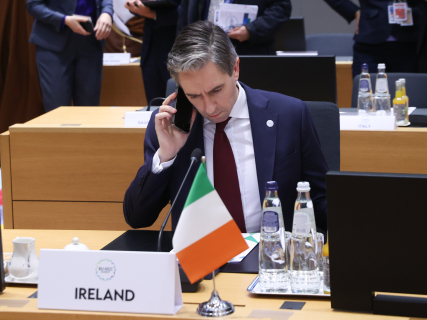

Whoever follows it, gets it. Now, it's Ireland's turn. After months of negotiations, different drafts of compromise, and some elections in between, Dublin believes that the moment may have come to try again. To go from "we will take some time" to "let's see what comes out." The Irish presidency of the Council of the European Union has conveyed to the other Member States its intention to unblock the approval of the new Tobacco Taxation Directive (TED, for its initials in English) next November, despite the reluctance that some capitals still maintain.
The file seeks to harmonize the tax structure of tobacco-related products and update the minimum tax rates applicable in the internal market. Among its main novelties is the incorporation of new categories of products, such as snus and nicotine pouches, which until now had not been specifically contemplated in the community framework.
However, there is an obstacle that has accompanied the negotiation since its early stages: taxation is a competence that requires the unanimity of the Twenty-Seven in the Council, so the rejection of a single capital can derail the agreement. The previous Cypriot presidency tried until the last moment to bring national positions closer through successive compromise texts, including concessions on minimum rates and automatic tax increases linked to inflation. Now, Ireland intends to take up the baton and bring the file to the finish line.
Ireland sets a date for the agreement: the ECOFIN on November 9
According to what Demócrata has been able to confirm through various diplomatic sources, the Irish presidency of the EU Council is accelerating technical work to submit the file for consideration by the Ministers of Economy and Finance during their next meeting, scheduled for Monday, November 9.
"The Irish objective is to reach an agreement at the November meeting," states a senior official consulted by this medium. Before reaching that date, the new draft must overcome a final phase of technical negotiation. Next Monday, October 26, the High-Level Group on Taxation will address the latest compromise text presented by the presidency. Dublin's intention is to use that meeting to maintain an exchange between national delegations, identify the last points of friction, and check if there is enough room to elevate the document to a ministerial level the following week.

The Irish calendar seeks to transform months of technical negotiation into a political agreement, although its viability will depend on whether the most reluctant capitals accept the concessions introduced in the text.
Sweden, the main obstacle: without a Government and with snus on the table
The date chosen by Ireland is particularly sensitive for one specific reason: Sweden. According to sources from the community conveyed to Demócrata, Stockholm currently ranks among the capitals most reluctant to close an agreement on the new European tax architecture.
The internal political situation does not help either. After the elections held in September, the country remains without a new Government following the failed attempt by the left leader last week. The social democratic leader could try again to form an Executive with the Center Party in the coming days. However, the Swedish problem goes beyond the composition of the future Government. In Sweden, there is broad political consensus around the need to preserve the tax treatment of snus, a traditional oral tobacco product particularly rooted in the Nordic country.
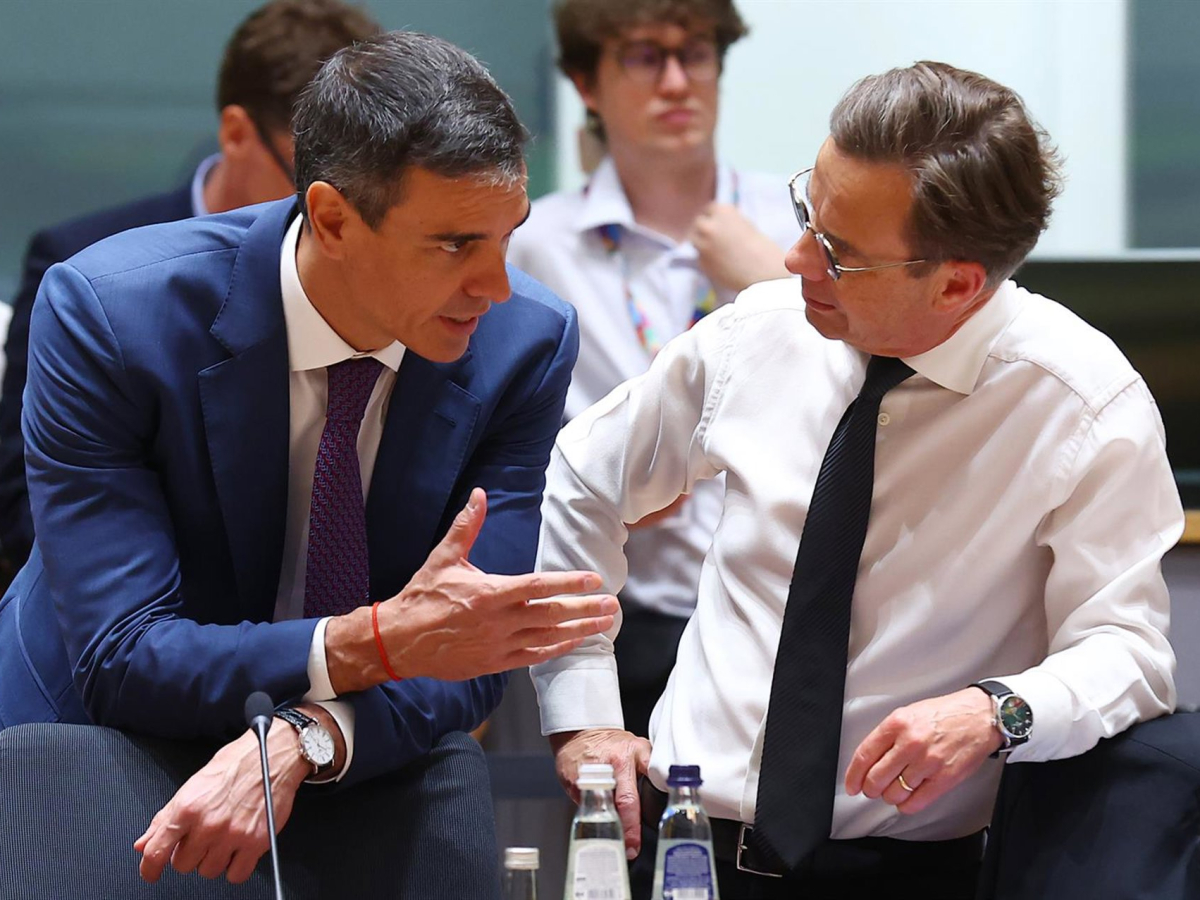
The differences between the political forces could become more visible in the treatment of nicotine pouches. In this area, the sensitivity of social democrats and greens towards public health measures, especially those aimed at limiting young people's access to these products, could influence the position of the next Executive. Meanwhile, Stockholm would have already conveyed to the presidency of the Council its willingness to postpone the decision.
The fact of having a caretaker government makes it "practically complicated to make any kind of decision," explains a source from the Swedish government consulted by this medium. Swedish diplomats are evaluating all available options, including a possible abstention. However, this alternative presents an added difficulty: in Council procedures that require unanimity, an abstention does not prevent the adoption of the agreement.

Therefore, Stockholm does not contemplate opting for a formula that, in practice, allows for the advancement of a measure that later must face its national parliamentary processing without a new Executive with the political capacity to assume that decision. According to the consulted sources, the rest of the member states would be willing to submit the file for the consideration of the ministers during the November meeting. The unknown is whether Ireland will manage to find a solution that accommodates the Swedish reservations without further delaying the community calendar.
A new fiscal architecture for nicotine products
The revision of the Directive responds to the transformation that the European tobacco market has undergone in recent years. The emergence and expansion of alternative products containing nicotine have partially outdated a regulatory framework designed for traditional consumption categories.
With this reform, Brussels aims to harmonize the tax structure of liquids for electronic cigarettes, nicotine pouches, heated tobacco, and raw tobacco, in addition to reviewing the minimum levels of taxation applicable to already regulated products.
One of the relevant provisions of the new scheme affects products that can fit into more than one tax category. In those cases where there are doubts about their classification, the category that establishes the highest harmonized minimum rate would apply. The objective is to limit possible interpretative divergences between tax administrations and to prevent certain products from benefiting from more favorable tax treatments due to differences in their national classification.

Featured story
Spain wants moderation in minimum tobacco taxes ahead of the directive Brussels is negotiating
5 minutes
The reform also includes transitional periods to facilitate the adaptation of those member states that currently maintain levels of taxation lower than the new European thresholds. These mechanisms would include stepped increases between 2028 and 2030, with certain adaptation periods that could extend until 2035, depending on the categories and conditions finally agreed upon.
The planned timetable contemplates that the new regulatory architecture be approved before the end of 2027, so that its provisions can begin to be applied from January 1, 2028. In return, the European Commission could commit to presenting periodic evaluation reports every five years, starting in December 2032, to analyze the functioning of the new system and its effects on the internal market.
Spain calls for moderation to avoid losing its tax differential with France
Among the member states that have called for a more moderate application of the new minimum rates is Spain. Madrid's concern is particularly focused on the consequences that a too sharp increase in tobacco taxation could have. In particular, the Spanish Executive fears that a drastic rise could end up reducing the existing price differential with neighboring countries like France, with the consequent impact on consumption patterns and national tax revenue.
This issue also affects the so-called rolling tobacco, technically known as cut tobacco, one of the categories included in the review of the community fiscal framework. The European Commission's initial proposal aimed to raise the minimum tax rates to reduce the existing disparities between national tax systems and progressively align the tax conditions applicable to different products.
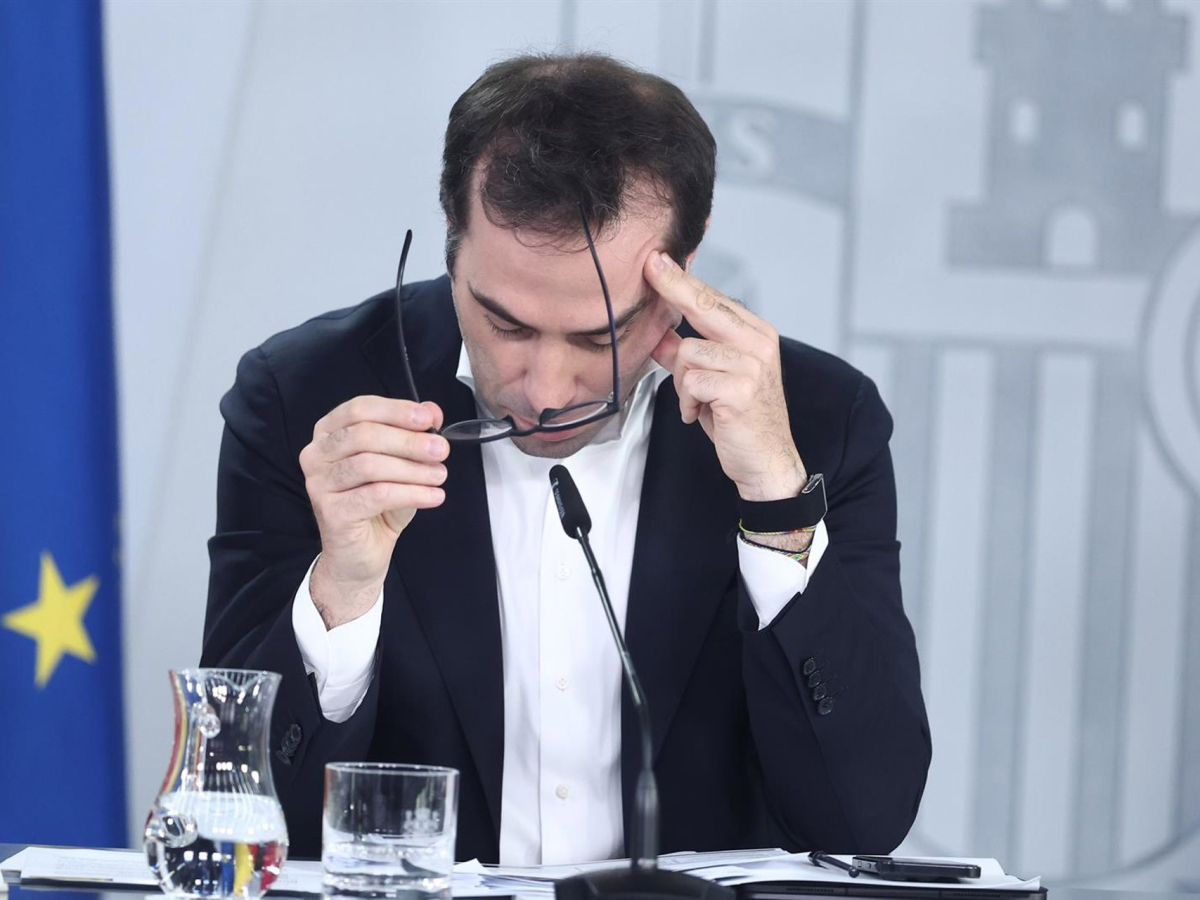
"The minimum rate of the EU would be adjusted based on the economic situation of each individual member state, depending on the overall price levels," they explain from Brussels. However, Spain has warned that the affordability indicators based on average income can offer a distorted picture of the national economic reality, especially when they do not adequately reflect the differences in purchasing power between urban and rural areas.
In Madrid's view, these disparities would justify a more gradual application of the planned increases, with the aim of avoiding that the new taxation ends up disproportionately punishing the consumers most sensitive to price. The debate is also significant from a budgetary perspective. Currently, taxes on tobacco generate in Spain a revenue exceeding 6.5 billion euros, a figure that rises to approximately 10 billion if the entire value chain is taken into account.
In this context, sources consulted by Demócrata maintain that an "updated and coherent" European fiscal framework would represent an additional guarantee for the collection of the Spanish state's coffers.
The key to the negotiation lies, therefore, in finding a balance between European tax harmonization, public health objectives, and the economic particularities of each national market. Ireland now has less than three weeks to see if that balance is sufficient to convince the Twenty-Seven. And, above all, if Sweden is willing to move from "we need time" to the definitive yes.