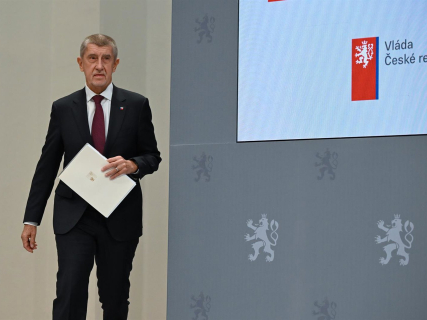

The Czech Chamber of Deputies has overturned a presidential veto this Wednesday and has pushed forward a reform aimed at facilitating the dismissal of public employees, an initiative promoted by the government of conservative populist Prime Minister Andrej Babis.
With 104 votes in favor, 66 against, and three abstentions, the lower house of the Czech Republic has rendered ineffective the decision of President Petr Pavel --head of state after winning the elections as an independent candidate-- to halt the measure.
The approved reform stipulates that public officials will be subjected, largely, to the same labor rules as the rest of wage earners, with some exceptions. Additionally, it eliminates the right to receive special compensation in the event of termination.
Pavel had defended his veto arguing that the European Commission advises strengthening the protection of state employees against political interference, and that the new law seeks precisely the opposite effect.
In the same vein, opposition leader and former Interior Minister Vít Rakusan has warned of the "fatal consequences" this would have for the functioning of the state. "What they are doing is distorting a system that works," he stated addressing the deputies of the coalition that has governed the country since December: the populist ANO party, led by Babis, and two far-right formations: Freedom and Direct Democracy (SPD) and the Eurosceptic Motorists.
Supporters of the reform argue that the changes will bring more flexibility and efficiency to public administration. With this step, the new State Employees Law will come into effect in November 2026.