

The leaders of the European Union meet again this week in Brussels at the first meeting of the European Council of the new political course. When the doors of the room in which the Twenty-Seven will discuss for two days close, an air of urgency will hover, which, however, could translate into few concrete agreements on the multiple files that will focus the conversations. The Multiannual Financial Framework (MFF), the new reforms of the defense sector, the trade relationship with China, and the strengthening of the European position on Ukraine remain open on an agenda that will also be marked by the migratory situation in Ceuta.
"In a context of growing uncertainty, our meeting will focus on the economy and on responding to the challenges affecting European competitiveness and affordability," says the President of the European Council, António Costa, in a letter sent to his European counterparts. The Twenty-Seven are aware that the countdown committed to expedite the processing of the main community files is close to leaving the timer at zero. One of the most recent examples is found in the trade talks with China.
After reaching the agreed date to make progress in the dialogue with Beijing, the European Commission announced an agreement to reduce exports of Chinese vehicles. Now, the negotiators will inform the capitals about their main elements so that they can provide new political guidance on the next steps.
But it is the community budget that concentrates a good part of the tensions between the capitals. In this debate, December is marked in red on the calendar of diplomats, officials, and MEPs. In the Schuman roundabout, they aspired to reach an agreement on the European budget framework for the next seven years.
However, with the new proposal from the Irish presidency on the table, which introduces an 8% cut in the budget, the possibility of closing the negotiations within the planned timeline seems to be moving away. The truth is that the President of the European Commission, Ursula von der Leyen, has already warned the heads of state and government, through a letter sent this Monday, of the urgency to advance in the debates in the face of "a world that does not wait".
Featured story
This is the Irish cut to the European budget: less cooperation and fewer officials.
6 minutes
The community executive seeks to prevent the differences between member states regarding the volume of the budget, its spending priorities, and the financing formulas from conditioning the Union's response capacity during the next financial cycle. The meeting comes, moreover, at a particularly delicate moment on the Ukrainian front. After U.S. President Donald Trump lifted sanctions on Russian oil companies, the EU seeks to reaffirm its strategy of support for Kiev deployed over the last few years.
Costa will convey to his Ukrainian counterpart, Volodymyr Zelensky, who will be present at the meeting, his firm commitment to Ukraine in light of the escalation. "Ukraine remains a key priority for the Union," they explain from the environment of the President of the European Council.
How do they see it in Luxembourg Square?
Before the meeting at the Schuman roundabout, the MEPs debated the previous week in Strasbourg, as is customary, the priorities that should guide the decisions of European leaders. Although it is up to the member states to negotiate the main lines of the next financial framework, the European Parliament will have to give its consent to the final agreement.
As happens before each European Council, Democrat has taken the pulse of the political debate in the Eurochamber to understand the demands of the main political families ahead of a meeting where the differences over community financing, industrial autonomy, and migration policy are once again evident.
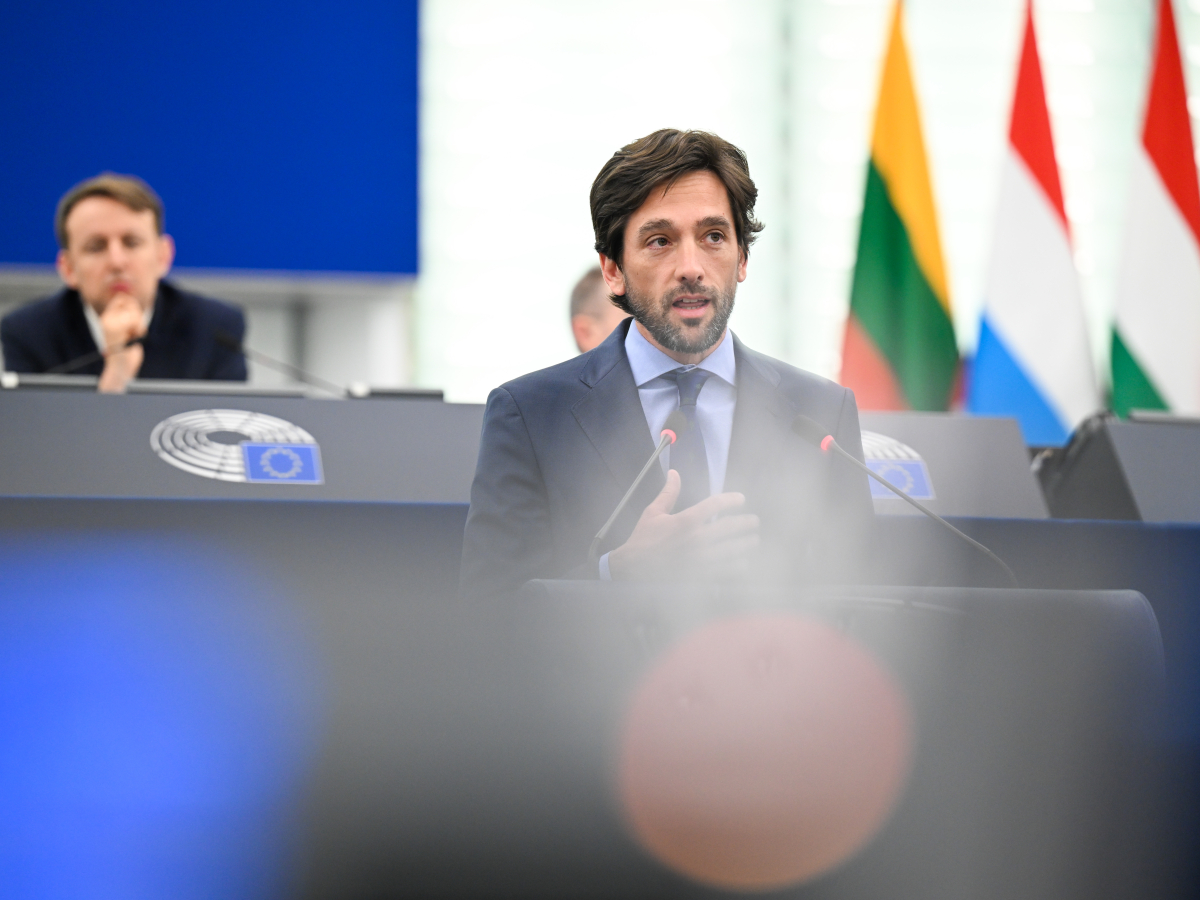
In conversation with Democrat, the popular MEP Adrián Vázquez describes the proposal presented by the Irish presidency for the next Multiannual Financial Framework as "insufficient." "We really want to bet on European competitiveness. And this involves a larger budget from the member states, but not at the cost of new own resources," he asserts.
The political family of Von der Leyen believes that a substantial part of the discussions should focus on "increasing the productivity of European workers and companies," placing competitiveness as one of the main criteria to guide future budgetary priorities. The popular party is hopeful about the possibility of closing the negotiations on the budget before December, although they acknowledge the difficulties posed by the calendar.
"It is difficult to know," responds Vázquez, who considers that speeding up the agreement is also "the only way to avoid that a possible victory of Le Pen complicates the negotiation." The position of the PPE therefore involves strengthening the financial capacity of the Union through greater national contributions, without resorting to the creation of new own resources, one of the main points of disagreement with other political families in the Eurochamber.
In the trade chapter, Vázquez celebrates the agreement announced by the bloc's Trade Commissioner, Maroš Šefčovič, for "several million fewer hybrid cars" from China to enter the community market. However, in the popular ranks they downplay the triumphalism and warn that the understanding reached constitutes only a first step.
"China must understand that if it wants to sell more, it will have to produce them here", points out the MEP. For the PPE, dialogue with Beijing must be accompanied by an industrial policy capable of strengthening European production and preventing trade talks from weakening the bloc's ability to respond to the practices of third countries. "Trade defense instruments must remain on the table. If the dialogue does not yield results, the Union must use all its tools to rebalance trade", asserts Vázquez.
Featured story
The EU buries the hatchet with China: opens the door to reduce hybrid exports by 50%
5 minutes
One of the points on the leaders' agenda that directly affects Spain is related to the situation in Ceuta. For Vázquez, what happened forces a rethinking of migration policy from a much broader perspective. The popular representative believes that the debate must go beyond the management of migratory flows and address "how to defend ourselves geopolitically from neighbors who use immigration as a weapon of pressure." Genoa hopes that the meeting will produce a "unequivocal declaration" reaffirming "that Ceuta and Melilla are Europe." "Second, a firm response to the instrumentalization of migration, which makes it clear to Morocco that what happened cannot happen again and that it will have consequences for our relationship," demands Vázquez.
To these demands, it adds the need to approve "a concrete plan to accelerate returns," as well as "to make Spain understand that it cannot go it alone." The latest drafts of the conclusions, consulted by Demócrata, which the Twenty-Seven will discuss, recognize that this is a "European border," express their solidarity with what has happened, and thank the financial support of the Union in this area.
The Socialists demand new own resources to avoid cuts in cohesion
The socialists agree with the popular party in rejecting the lack of ambition of the Irish budget proposal, although they disagree on the formula that should be used to increase the financial capacity of the Union.
The MEP Leire Pajín warns, in conversation with Demócrata, of the effects that cutting funds allocated to cohesion, civil protection, and international cooperation would have. In particular, she points out the importance of preserving the budgetary instruments that allow reinforcing European solidarity in the face of emergencies and disasters. "We can raise that figure fairly without imposing a greater burden on national budgets," she points out.
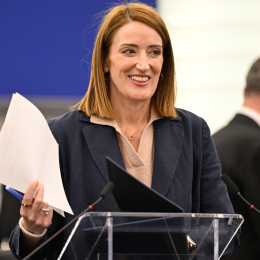
One of the main proposals from her group to the European Council is the creation of "new taxes on large tech companies and on the extraordinary profits of energy companies." "Political ambition must translate into budgetary ambition," Pajín explains.
The socialist approach seeks to expand the available resources to finance the new community priorities without implying a reduction in the traditional policies of the European budget. The discussion on own resources thus becomes one of the main elements of differentiation between the positions of the PPE and the social democrats.
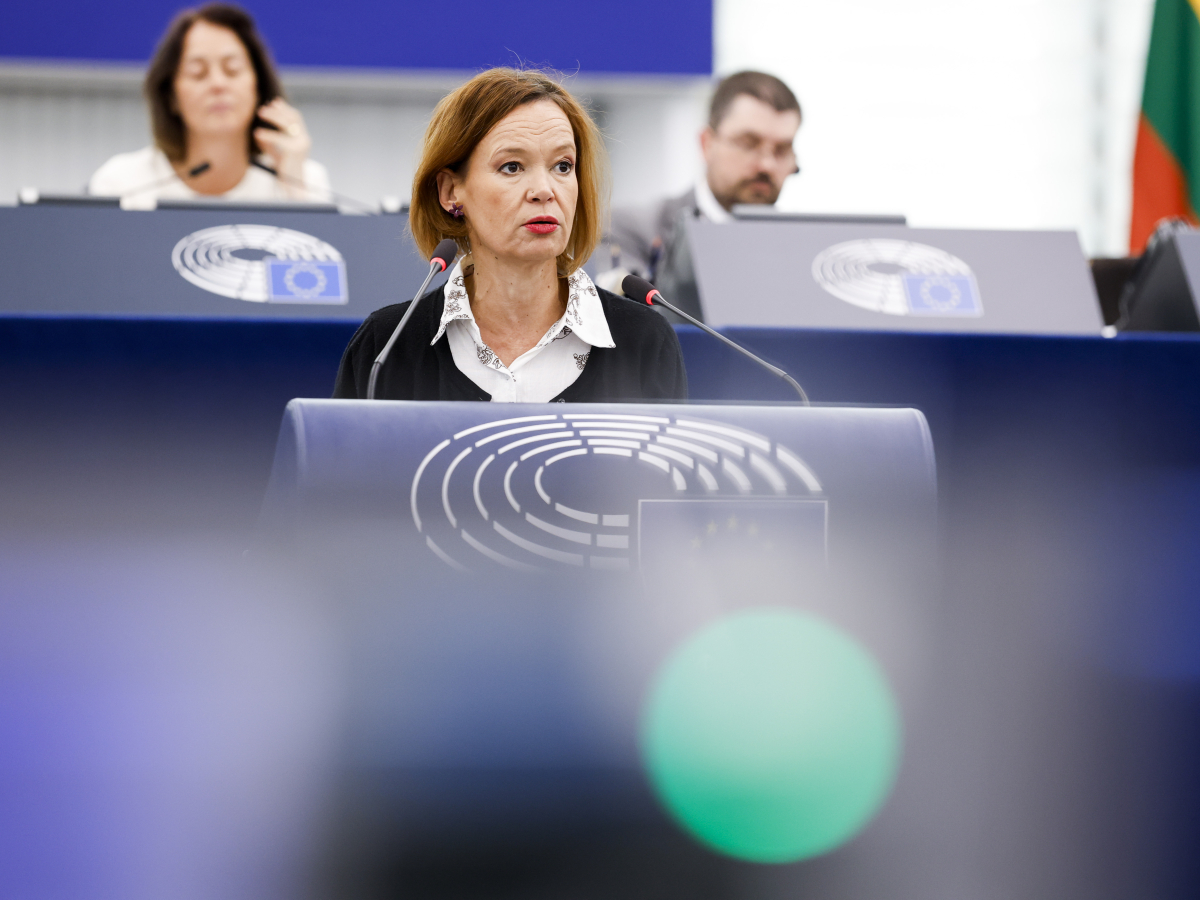
In Pajín's view, this broad-mindedness should also be applied to the trade dialogue with China. The socialists are pushing for the Union to demand reciprocity and fair competition conditions, "while ensuring access to the necessary raw materials and technologies." In line with the position defended by the Spanish Government in Brussels, the MEP advocates for keeping diplomatic and economic channels open with Beijing and using the appropriate tools to diversify the European economy. "The announced agreement constitutes an important step to reduce trade tensions," she celebrates.
In the debate about Ceuta, President Pedro Sánchez's political family hopes that European leaders will commit to ensuring a united response through common resources that allow for the care of vulnerable migrant people. The socialists also demand support for local authorities in managing cases and, when appropriate, in return procedures, always with respect for the dignity of individuals. "The EU should strengthen emergency mechanisms, relocation when necessary, and assistance to minors," Pajín states.
The Greens warn that they will not endorse a minimal budget to meet the timeline
From The Greens, MEP Vicent Marzà also questions the lack of ambition in the Irish presidency's proposal and warns that the urgency to reach an agreement cannot override the content of the negotiations. "We want a quick agreement to provide certainty to citizens and productive sectors, but we are not going to endorse a bad agreement in exchange for meeting the urgency of the timeline," he criticizes.
The Valencian places as a condition for reaching an understanding that the Irish presidency and the so-called frugal countries be willing to flex their positions. "If they intend to impose a minimal framework that institutionalizes inequality, they will find us firmly against them," he warns. They also demand that the future financial framework maintain sufficient budgetary capacity to respond to the social, economic, and industrial needs of the Union, avoiding that the demands for spending restraint end up conditioning the priorities of the next community cycle.
In relation to the commercial conversations with Beijing, Marzà considers it necessary that "the Commission wakes up and understands that we need much more ambition in supporting European industries". The Greens, one of the groups currently supporting the so-called pro-European majority, argue that the community response cannot be limited to the adoption of defensive trade instruments.
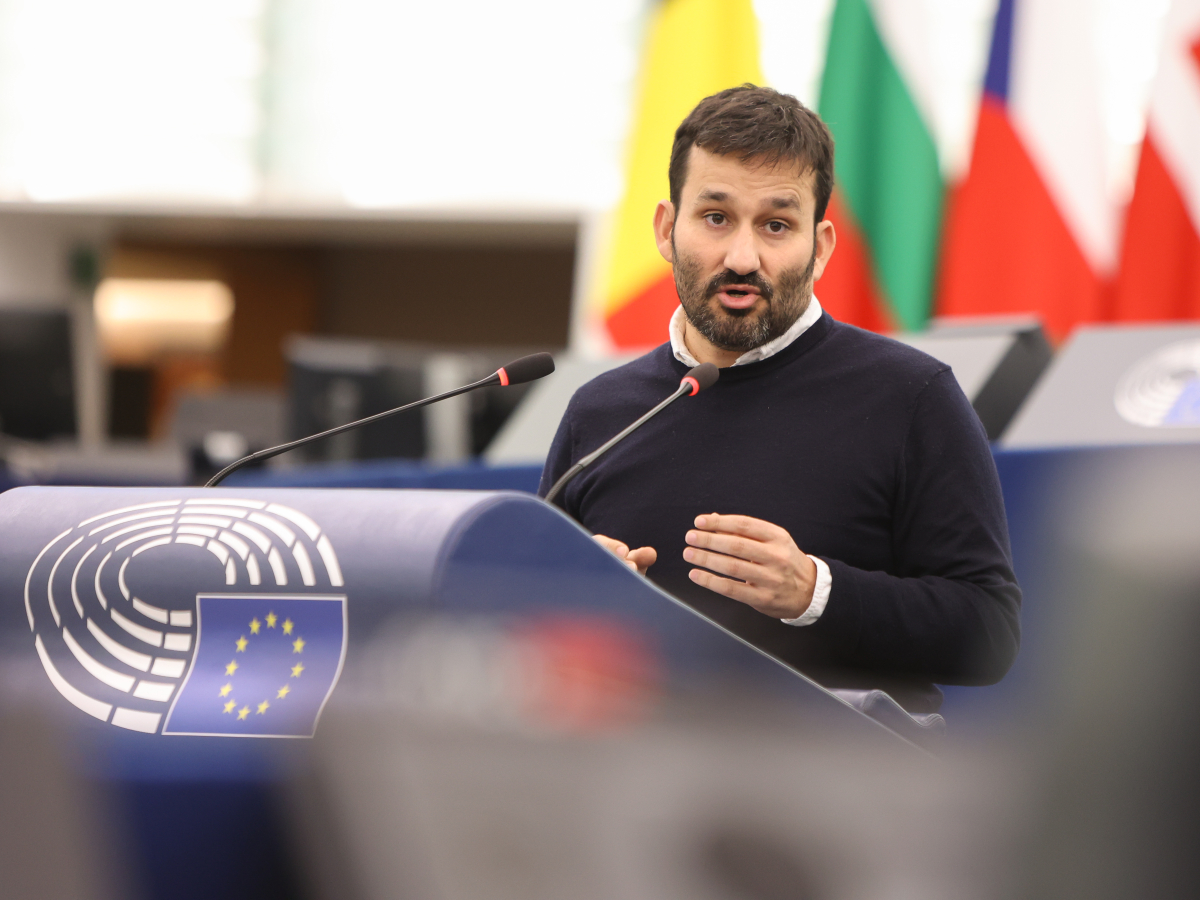
In his opinion, "defensive trade measures like the agreed ones are not enough," so they demand that the Twenty-Seven relax public support frameworks to boost European productive capacity and generate "more jobs." The group thus proposes that trade defense be complemented with a more ambitious industrial policy, capable of strengthening the position of European companies against their international competitors.
"It is a failed model that only adds pain to vulnerable people, does not prevent uncontrolled migratory flows, and enriches companies and leaders of third countries," Marzà states about migration policy. The MEP demands that the European Council meeting serve to carry out "a good dose of self-criticism of the prevailing model of outsourcing borders to third countries."
Moreover, they demand that Morocco "not be rewarded with more European funds after demonstrating that it is not only unable to comply with the agreements made so far, but also uses migration as a destabilizing element of European governments". The party thus calls for a review of the migration cooperation mechanisms with third countries, while rejecting the use of new financial commitments as a response to pressure situations at the external borders of the Union.
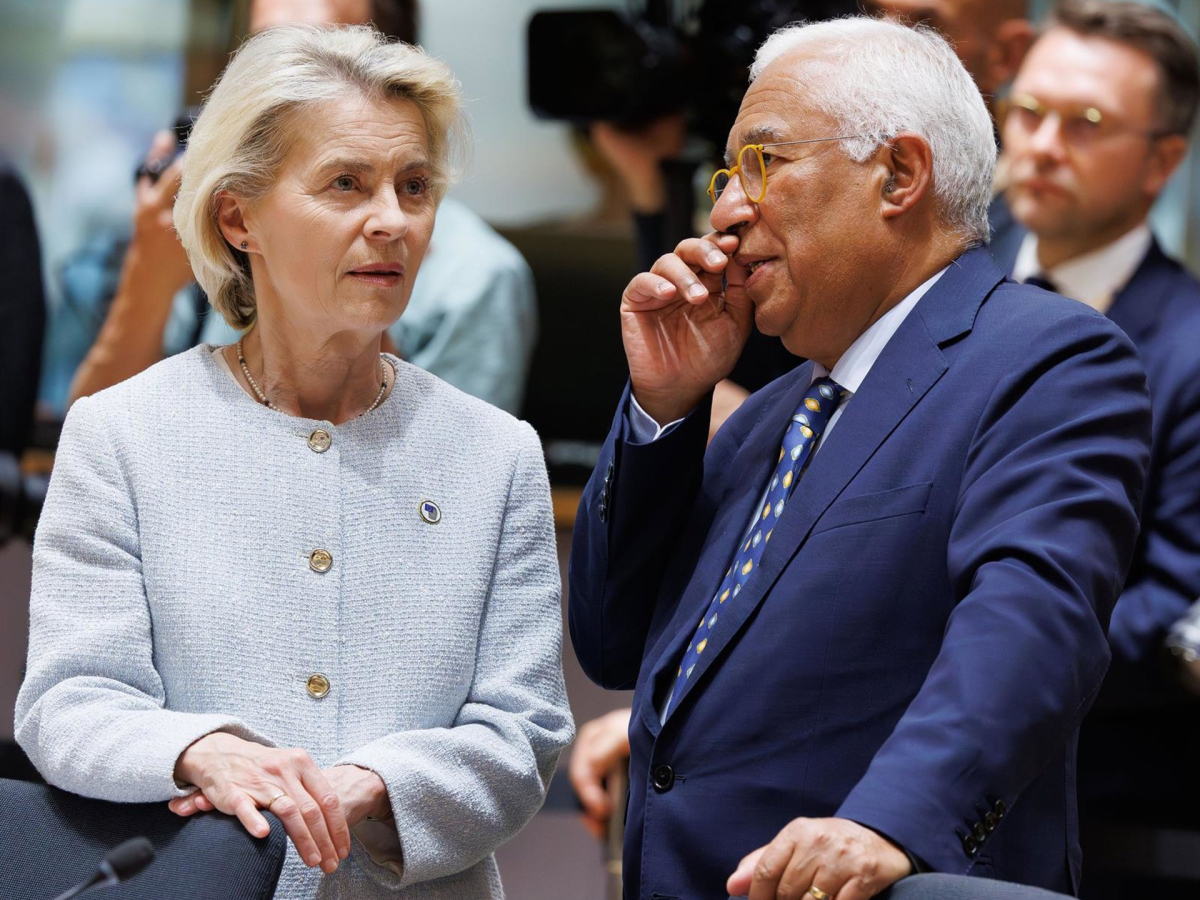
Three positions that highlight the difficulties in closing major community agreements. Populars, socialists, and greens agree in demanding greater budgetary ambition and a firmer European response to Chinese competition, but they disagree on how to finance the new priorities, which industrial instruments should be reinforced, and what the scope of migration policy should be.
Some differences that will accompany the discussions of the Twenty-Seven in Brussels, in a European Council where the calendar begins to exert as much pressure as the files that remain pending agreement.